

Key Takeaways
- Drone swarm liability insurance addresses unique risks, including multi-unit coordination, complex data privacy, and cybersecurity vulnerabilities.
- Unlike single-drone policies, swarm coverage requires an aggregate approach that accounts for the interdependency of all units in authorized flight patterns.
- Underwriters evaluate swarm risks by assessing AI reliability, communication protocol security, and the operator’s systemic safety management systems.
- Effective risk management for swarms involves transitioning from individual vehicle tracking to monitoring systemic fleet integrity and autonomous behavior.
- Organizations must design layered coverage structures that specifically address the operational scale and potential for large-scale disruptions inherent in multi-drone missions.
Understanding the unique risks of drone swarm operations
Drone swarms represent a significant leap in aviation technology, requiring a specialized approach to liability protection compared to legacy systems. As operators move toward autonomous, multi-unit missions, the traditional insurance models for singular aircraft often hit their limits or leave significant gaps in protection. Properly identifying these risks is the first step toward effective liability coverage and management.
How swarm operations differ from single-drone liability
Single-drone operations are typically assessed on the flight characteristics and mission profile of one specific vehicle. In a swarm, however, the liability shifts to the collective movement and autonomous decision-making of the entire fleet. Because dozens or hundreds of units might be in the air simultaneously, the potential for damage to property or bodily injury increases exponentially, demanding a policy that accounts for fleet-wide interactions in real-time.
The challenges of evaluating autonomous coordination risks
Swarm coordination relies on complex software that allows units to maintain formation or spatial awareness without constant, individual human steering. Insuuurance recognizes that underwriters must now evaluate the robustness of the underlying AI that dictates these movements. When an autonomous command logic fails or behaves unexpectedly, the resulting incident is a product of systemic software patterns rather than a simple hardware failure.
Shift from individual unit exposure to aggregate fleet liability
Managing risk for a large-scale swarm requires thinking in terms of aggregate fleet coverage rather than individual tail numbers. Policies must address the possibility of a systemic event where a signal interruption or algorithmic error causes multiple units to malfunction at once. This shift requires insurers to model the maximum possible loss per event across the entire group, often leading to higher deductible structures or specific exclusions that operators must be prepared to manage.
Complexity of attributing fault in multi-unit autonomous missions
Determining cause in the wake of a swarm incident is inherently more difficult than with a single drone. If two drones collide because of a glitch in the formation-keeping software, fault is not easily assigned to one pilot or one specific machine. This complexity necessitates rigorous logs and audit trails, as Insuuurance suggests, to provide the evidentiary basis required for successful claims resolution.
Core liability exposures for swarm operators
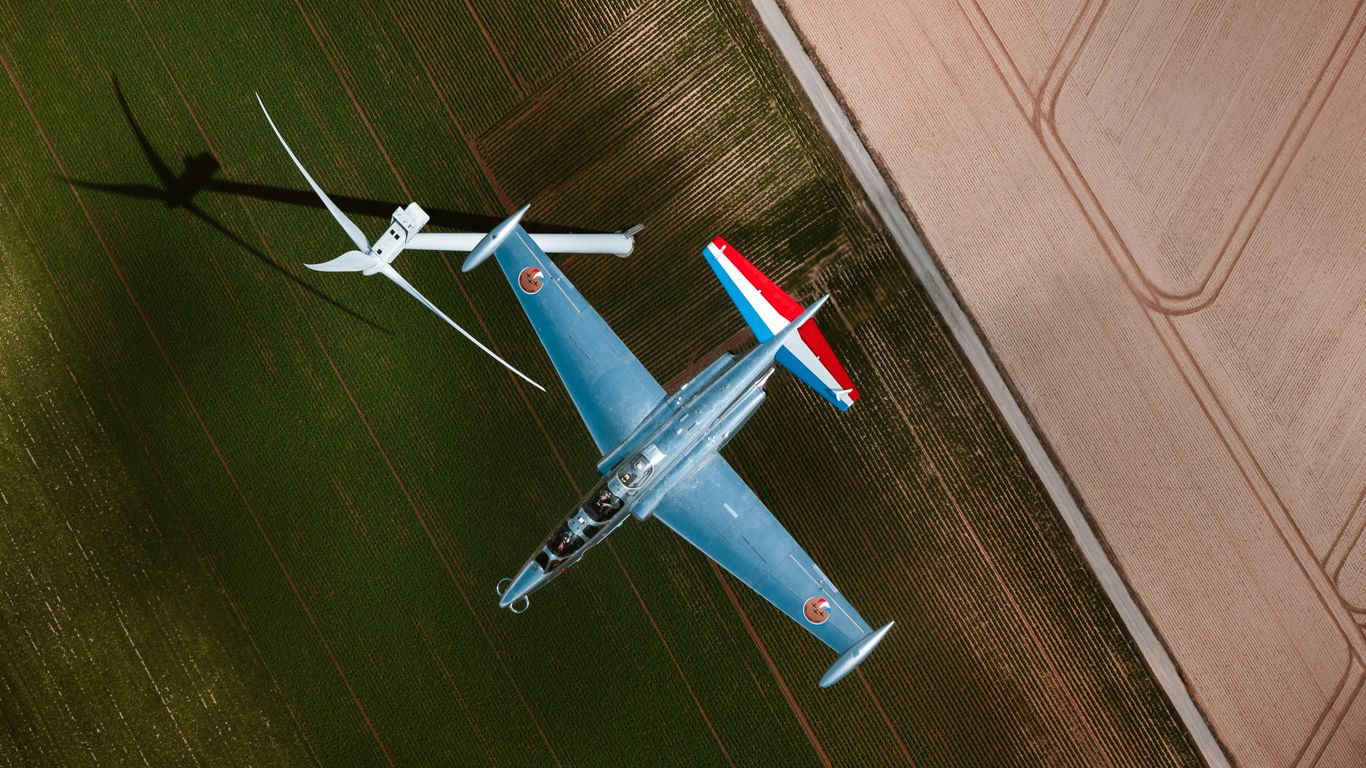
Operating multiple drones in a commercial environment introduces risks that extend well beyond standard ground-based liability. Operators must analyze these exposures as a continuous system, recognizing that a failure in one node can cascade throughout the entire mission environment. Proactive identification of these systemic vulnerabilities helps prevent the significant financial impact often associated with unmanaged autonomous operations.
Third-party bodily injury and property damage risks
Liability insurance for swarms explicitly targets the risk of injury to people or damage to physical property caused by the collective fleet. This includes scenarios where high-density flight operations might cause panic, property damage from falling units, or accidental site intrusion that disrupts commercial activity. Because swarm insurance for drone swarm liability insurance is specialized, it often requires explicit endorsements to cover risks specific to the intended venue and mission type.
Privacy and data security concerns with multi-sensor swarms
Many commercial drones are equipped with cameras, thermal sensors, and LiDAR systems capable of gathering significant amounts of surrounding data. A swarm multiplies this data collection capacity, bringing increased scrutiny to privacy regulations and security protocols. Operators must maintain strict control over how data is processed and stored to avoid allegations of privacy intrusion, which are increasingly common in litigation involving AI Liability Insurance.
Cyber liability related to swarm communication links and control software
Communication links between the ground control station and individual drones form the backbone of a swarm’s operation. If these links are intercepted or jammed, the entire swarm risks losing control, which could lead to unintended navigation. Ensuring that control software is robust against external interference is a major underwriting requirement, and policies often incorporate provisions for Cyber Liability to address the risk of malicious hacking or electronic signal disruption.
Potential for large-scale disruptions in commercial environments
Large swarms used for events or industrial inspections can cause significant business interruption if an incident grounding occurs. When a swarm fails in a public space, the aftermath involves more than just the drones themselves—it involves clearing sites, managing public relations, and addressing claims from blocked businesses or delayed operations. For context, operators should consider these risks:
| Exposure Area | Primary Impact | Mitigation Focus |
|---|---|---|
| Signal Latency | Formation Drift | Encryption Protocols |
| Sensor Failure | Mapping Gaps | Redundant Systems |
| Battery Depletion | Forced Landing | Emergency Planning |
By systematically documenting these exposures, operators demonstrate a commitment to risk oversight that satisfies underwriters and minimizes insurance premiums over time.
Underwriting considerations for swarm insurance policies
Underwriters must analyze the technical and operational reliability of an autonomous swarm before extending coverage. This process is highly specialized and relies on the operator’s ability to prove that their technology is both secure and predictable. Insurers prioritize businesses that display high levels of technical documentation and clear, documented maintenance procedures.
Data-driven risk segmentation for autonomous fleets
Risk segmentation involves categorizing fleets based on their operational history, the maturity of their control algorithms, and the environments where they are deployed. By analyzing the performance telemetry of each unit, Insuuurance notes that underwriters can create tailored pricing models that reflect the actual risk levels of specific operations. This prevents the operator from paying for generic ‘high-risk’ status if their internal monitoring has proven otherwise.
Assessing the reliability of AI and swarm control algorithms
Insurance providers examine the stability of the software that directs swarm behavior, looking for redundancies and failsafes. AI that is prone to ‘edge case’ errors—situations where the drone encounters an unexpected variable— poses more risk than a mature system with well-defined, predictable training parameters. Evaluating these algorithms is a fundamental part of the aviation insurance selection process.
Historical loss analysis and frequency modeling for dynamic networks
Because swarm data is still accumulating, modeling frequency and severity is more challenging than it is for manned aviation. Insurers look at past loss history, maintenance records, and testing logs to forecast future performance. Reliable telemetry data provides the foundation for actuarial work, turning speculative swarm operations into calculated, insurable business activities.
Environmental factors and operational complexity in risk selection
Variables such as weather conditions, air traffic density, and proximity to sensitive infrastructure drastically change the risk profile of a swarm operation. An operator flying in an open field faces different risks than one operating in an urban canyon. Underwriters factor these specific conditions into policy terms, often requiring specific operational manuals or specialized drone flight plans to be submitted as a condition of coverage.
Navigating policy structures and coverage components
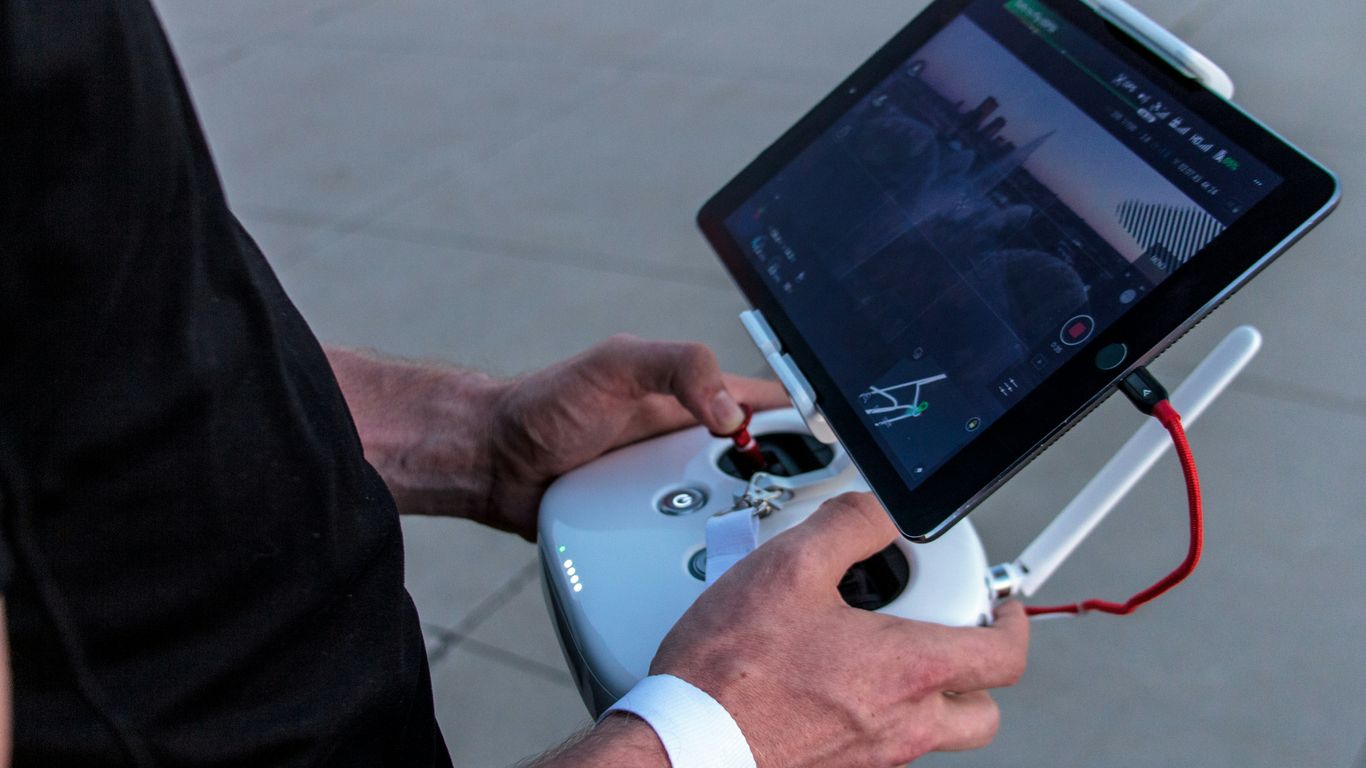
Selecting the right insurance components requires a deep dive into the language of the policy, as small differences in definitions can impact claim outcomes. Because drone technology evolves faster than legacy regulation, operators must be meticulous during the policy review phase. A well-constructed program often uses a mix of primary and excess liability layers to ensure maximum available limits.
Occurrence-based versus claims-made trigger frameworks
The trigger framework defines when coverage responds to a loss, typically categorized as either occurrence-based or claims-made. Occurrence policies cover incidents that happen during the policy term, regardless of when the claim is filed. Claims-made policies, however, require that the claim be reported while the policy is active or during a specified discovery period. Understanding this distinction is essential, especially as many high-tech policies for autonomous systems favor the claims-made format.
Identifying critical policy exclusions for swarm technology
Exclusions carve out specific risks that are not included in the basic policy, such as intentional operation near restricted airspace or unauthorized software modifications. Operators should work with their broker to identify which, if any, standard industry exclusions could be amended through endorsements. Common considerations for swarm operations include:
- Cyber warfare or state-sponsored electronic interference events.
- Unauthorized use of non-certified or experimental firmware.
- Losses stemming from known battery age degradation limits.
- Third-party damage caused during unscheduled, emergency maneuvers.
- Injuries occurring outside of pre-approved flight corridors.
Utilizing endorsements to address mission-specific requirements
Endorsements allow for the modification of base policy terms to cover unique operational requirements. If a mission involves operating near heavy industrial sites or overwater, an operator might add specific endorsements to address those risks. These modifications bring the liability program into alignment with the actual operational reality, reducing the risk of a gap in protection when a unique mission occurs.
Designing layered structures for excess liability protection
For large-scale swarm operators, a single primary policy may not provide high enough limits to cover catastrophic worst-case scenarios. Layering allows an organization to stack a primary policy with umbrella coverage and excess liability policies, providing a deep financial safety net. This structure is a standard for organizations wanting to ensure their balance sheets are protected during major litigation incidents.
Regulatory frameworks and compliance requirements
Navigating the regulatory landscape for swarms requires constant attention to updates from national aviation authorities and local jurisdictions. Compliance is not merely a formality but a core risk management requirement that validates insurance coverage. In the United States, strict adherence to established aviation regulations form the foundation upon which legitimate insurance programs are built.
FAA oversight for multi-drone swarm configurations
Regulatory bodies, particularly the FAA, maintain strict control over how multi-drone swarms are authorized and operated. Operators are usually tasked with demonstrating that their swarm will not pose an unreasonable risk to manned aircraft or public safety. Failure to follow the specific terms of a waiver or authorization can result in both regulatory fines and the potential denial of insurance claims if such non-compliance is deemed material to the loss.
Regional privacy laws and data collection restrictions
Local laws governing privacy, surveillance, and data collection vary significantly from state to state and country to country. Swarm fleets that move across different municipal areas must remain aware of local regulations, as a violation of a city ordinance regarding drones could trigger significant liability issues. Insurers look for operators who prioritize data protection and respect local ordinances in their flight planning.
Compliance with evolving technological standards and safety mandates
Safety standards are continuously evolving as technology matures. Operators must ensure their current maintenance protocols and hardware meet the latest mandatory safety requirements defined by the industry. Keeping a proactive compliance log is a key strategy that signals to underwriters that the flight operation is stable, well-managed, and worthy of preferred insurance pricing.
Impact of regulatory shifts on insurance pricing and availability
Policy changes at the government level—such as new mandates on anti-collision lighting or remote identification—directly influence the cost of insurance. When regulations increase the technical standards for swarm hardware, insurers respond by adjusting premiums to reflect the new safety floor. Operators who invest in updating their fleets to meet these shifts earlier often find the market more willing to provide competitive rates.
Strategic risk mitigation and operational resilience
Resilience is the ability of an organization to continue operating after a disruption, and for swarm operators, this means having concrete plans for every stage of a flight. Mitigation is a proactive exercise where the operator prepares for the worst, ensuring that the technology, the team, and the infrastructure are ready to handle emergencies. Resilience effectively lowers the risk to the insurer and, by extension, stabilizes premiums for the policyholder.
Implementing comprehensive safety management systems
Safety Management Systems (SMS) provide a structured framework for identifying hazards and managing risks before they escalate into incidents. By documenting pre-flight checks, regular maintenance, and incident reporting, operators build a culture of safety that is easily audited by insurance professionals. A disciplined SMS is often the single most important document an insurer reviews when evaluating a swarm program’s viability.
Role of human-in-the-loop oversight for swarm environments
Even with highly autonomous technology, human oversight remains essential for maintaining control and intervening during system anomalies. Insurers look for clear roles and responsibilities in the command structure, ensuring that a professional pilot can initiate an immediate and safe landing if the autonomous system demonstrates unexpected behavior. Balancing automation with human command is a cornerstone of sophisticated flight operations.
Maintenance protocols for individual and systemic fleet integrity
Fleet integrity requires a dual approach: maintaining individual aircraft components like motors and batteries while simultaneously tracking software updates and system-wide synchronization. Maintaining these dual protocols ensures that every drone behaves according to the swarm’s programmed parameters, effectively reducing the probability of system-wide failures.
Deployment of emergency shutdown and failsafe procedures
Emergency shutdown procedures must be reliable and tested under various operational conditions. Failsafes—such as geofencing that automatically forces a landing—provide a vital safety last-resort, making them an indispensable feature for any commercial drone fleet. Operators should regularly practice these shutdowns to guarantee that the personnel in charge can execute them without delay when an operational risk is identified.
Conclusion
Drone swarm liability insurance represents a specialized and essential component of modern aerial operations, requiring operators to blend technical mastery with sophisticated risk management. By moving beyond traditional single-drone perspectives to embrace aggregate fleet coverage, robust safety management systems, and strategic layering, businesses can effectively protect their assets and personnel. As the technology matures, collaborating with informed partners who recognize the complexities of autonomous risk will ensure your operations remain resilient and compliant in an increasingly connected, flight-dominated commercial environment.
Frequently Asked Questions
Why do drone swarms require specialized liability insurance compared to single drones?
Swarm operations involve multiple units interacting simultaneously under autonomous control rather than individual pilot input, creating collective risks that standard single-drone policies are not designed to aggregate.
What are some common data privacy risks associated with operating multi-sensor drone swarms?
Operating multiple drones with integrated sensors can lead to unintended collection of sensitive information, potentially violating regional privacy laws if data handling, processing, and storage protocols are not strictly managed.
How does an insurer determine the premium for a swarm liability policy?
Premiums are evaluated based on the operator’s maintenance records, the reliability of the fleet’s communication links, historical safety data, and the specific risk profile of the mission environment.
Are swarm incident costs usually covered under a general commercial insurance policy?
General commercial policies often contain specific aviation or unmanned system exclusions, meaning a dedicated, specialized drone policy is typically required to ensure that incidents are fully covered.
What is the purpose of layered coverage in a swarm liability program?
Layering allows an operator to combine multiple tiers of coverage—such as primary, excess, and umbrella policies—to increase overall limits and provide protection against large-scale losses that exceed the primary policy cap.
Do regulatory changes impact the availability of swarm insurance coverage?
Yes, changes in aviation regulations often mandate higher equipment standards, which may restrict coverage for older or non-compliant fleets and adjust overall pricing according to the new safety landscape.
What role does the drone maintenance log play in the insurance claims process?
Detailed maintenance logs serve as crucial evidence of an operator’s commitment to fleet integrity, allowing insurers to identify causation and verify whether the insured followed all safety protocols when a claim is submitted.