

So, you’ve got a property sitting empty, right? It might not seem like a big deal at first, but leaving a place vacant can actually lead to some serious problems down the road. Think about it – no one’s there to keep an eye on things, fix small issues before they become huge headaches, or even just keep the place looking lived-in. This is where the idea of ‘vacancy exposure deterioration’ comes into play, and understanding it is pretty important, especially if you’re dealing with insurance. We’re going to break down what that means and why it matters.
Key Takeaways
- Understanding vacancy exposure deterioration analysis means looking at how a property’s condition worsens when it’s left unoccupied, and how this impacts insurance.
- Things like bad weather, vandalism, and simple neglect can speed up a vacant property’s decline.
- Insurance policies often have specific rules, called vacancy clauses, that can affect your coverage if a property is empty for too long.
- Looking at past insurance claims can show patterns of damage related to vacant properties, helping insurers assess risk better.
- Figuring out the right value for a deteriorated vacant property can be tricky, involving methods like replacement cost versus actual cash value.
Understanding Vacancy Exposure Deterioration Analysis
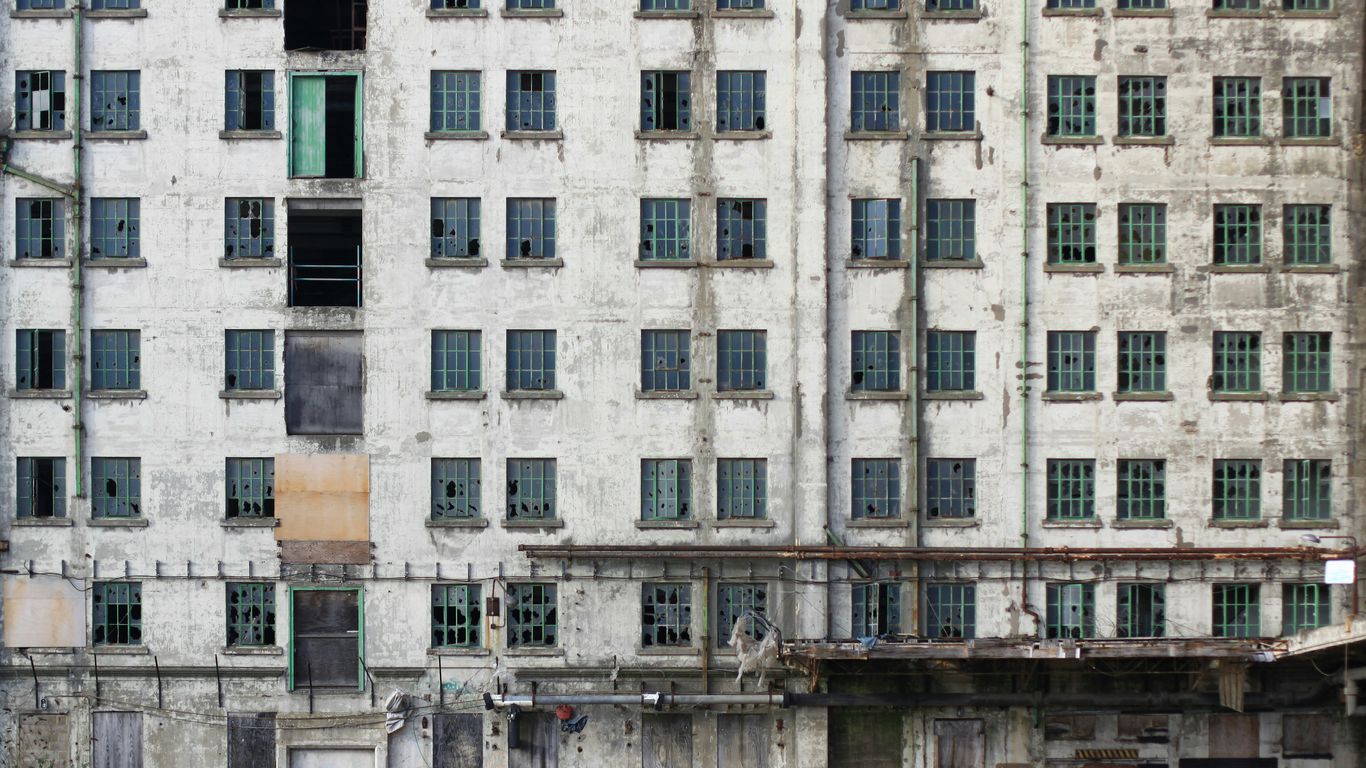
When a property sits empty, it’s not just sitting there. It’s actually exposed to a whole host of risks that can make it deteriorate faster than if someone was living there or using it regularly. This is what we call ‘vacancy exposure deterioration.’ It’s a big deal in the insurance world because it directly impacts how likely a property is to suffer damage and how much that damage might cost to fix.
Defining Vacancy Exposure in Insurance
Basically, vacancy exposure in insurance refers to the increased risk an insurer takes on when a property is unoccupied. Think about it: no one’s there to notice a small leak before it becomes a major flood, or to call the fire department if a small fire starts. The longer a property is vacant, the higher the potential for losses. This isn’t just about theft or vandalism, though those are certainly risks. It’s also about the wear and tear that happens when a property isn’t being looked after. Insurers need to understand this exposure because it affects their decision on whether to offer coverage and how much to charge for it. It’s a key part of assessing potential exposures.
The Concept of Deterioration in Property Risk
Deterioration, in the context of property risk, means the gradual decline in a property’s condition over time due to various factors. When a property is occupied, regular use and maintenance usually slow this down. However, when vacant, several things can speed it up:
- Environmental Factors: Weather can take a toll. Rain, snow, wind, and sun can cause damage if not addressed. Think about roofs that aren’t checked, gutters that get clogged, or paint that peels.
- Neglect: Without regular checks, small issues like a dripping faucet or a loose shingle can turn into big problems. Maintenance is key to preventing this.
- Vandalism and Malicious Acts: Empty buildings can unfortunately become targets for people looking to cause damage or steal.
- Lack of Security: Poor security measures can make a vacant property more vulnerable to break-ins and unauthorized access.
Core Principles of Vacancy Exposure Deterioration Analysis
Analyzing vacancy exposure deterioration involves looking at a few core ideas. First, we need to figure out how long the property is expected to be vacant and what kind of risks are present during that time. This involves looking at:
- Frequency and Severity: How often are losses likely to happen in vacant properties, and how bad are they usually? For example, fires might be less frequent but very severe, while minor vandalism might be more frequent but less costly.
- Property Type and Condition: A brand-new, well-built house might handle vacancy differently than an older apartment building. The initial condition matters a lot.
- Location and Surrounding Area: Is the property in a high-crime area? Is it prone to certain weather events? These external factors play a role.
Understanding these elements helps insurers predict potential losses more accurately. It’s about moving beyond just insuring a building to insuring a building that’s sitting empty, which comes with its own set of challenges. This kind of detailed analysis is what helps keep insurance premiums fair and coverage adequate.
Ultimately, analyzing vacancy exposure deterioration is about being proactive. It’s about recognizing that an empty property isn’t a static risk, but one that changes and potentially worsens over time. This understanding is vital for both property owners and insurers to manage risk effectively and avoid unexpected financial burdens. It’s a big part of risk assessment for any property.
Factors Contributing to Vacancy Exposure Deterioration
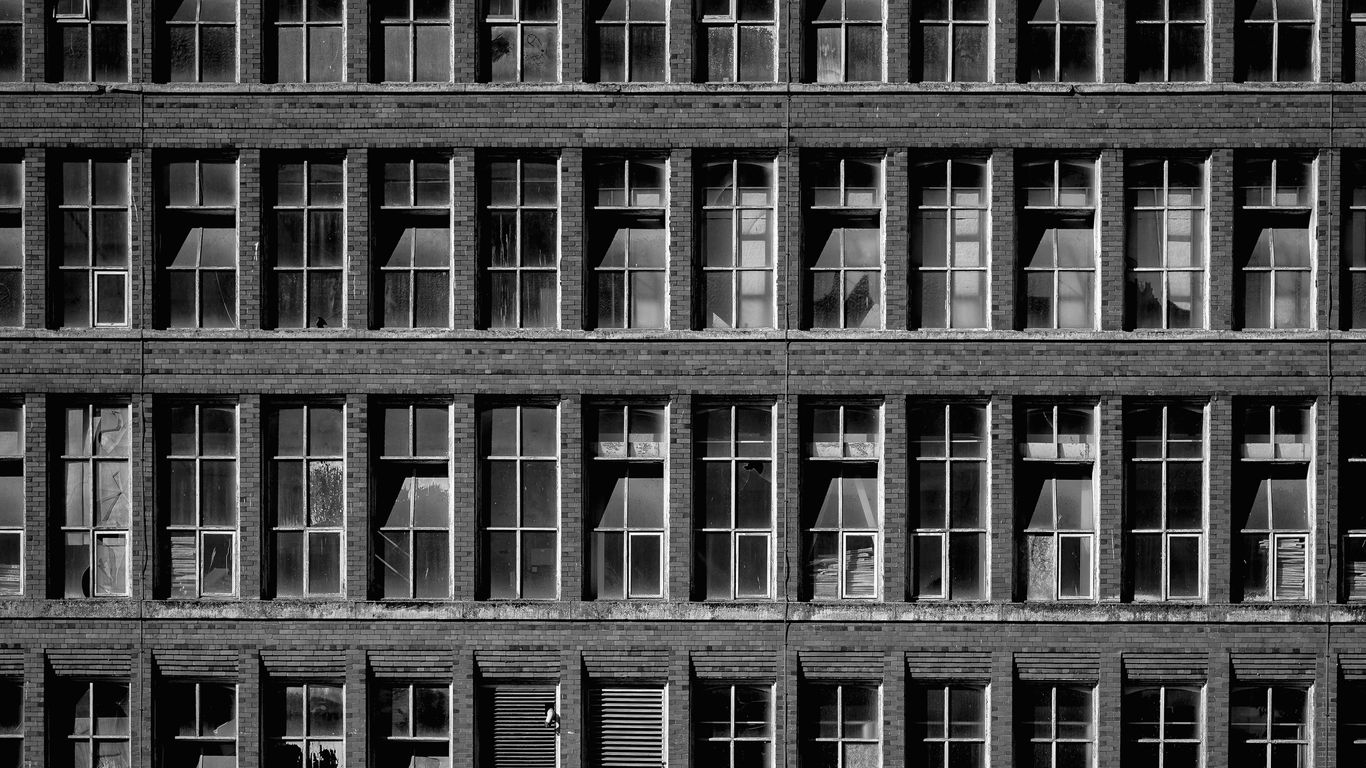
When a property sits empty, it’s not just idle; it’s actively becoming more vulnerable. Several things can speed up this decline, turning a manageable risk into a significant problem.
Environmental and Weather-Related Impacts
Properties left vacant are much more exposed to the elements. Think about it: no one’s there to notice a small roof leak before it becomes a major water damage issue. Heavy rains, snow, or wind can cause damage that goes unnoticed and unfixed for extended periods. Freeze-thaw cycles can wreak havoc on plumbing and foundations if systems aren’t properly winterized. The lack of active monitoring means minor weather-related issues can escalate into substantial structural problems. This is especially true for older buildings or those in areas prone to extreme weather.
Vandalism and Malicious Acts
An empty building can unfortunately become a target. Without regular presence or security, vacant properties are more susceptible to break-ins, vandalism, and arson. Graffiti, broken windows, and theft of fixtures or scrap metal are common. These acts not only cause direct damage but also make the property look neglected, potentially attracting further unwanted attention. It’s a cycle that can quickly degrade the property’s condition and value.
Neglect and Lack of Maintenance
This is perhaps the most insidious factor. When a property is vacant, routine maintenance often grinds to a halt. Landscaping gets overgrown, paint peels, gutters clog, and minor repairs are put off indefinitely. This neglect isn’t just cosmetic; it can lead to serious issues like pest infestations, mold growth, and structural decay. A property that isn’t cared for will inevitably deteriorate faster than one that is actively managed. This is a key area where property management plays a vital role in risk reduction.
Security Vulnerabilities
Weak or non-existent security measures are a major invitation for trouble. This includes things like:
- Unsecured doors and windows
- Lack of adequate lighting around the exterior
- Absence of alarm systems or monitoring
- Fencing that is damaged or insufficient
These vulnerabilities make it easier for unauthorized individuals to access the property, leading to the issues mentioned above, like vandalism and theft. Improving security is a proactive step that can significantly slow down deterioration.
Insurance Policy Structures and Vacancy Clauses
When a property sits empty, the insurance policy covering it becomes a really important document. It’s not just a piece of paper; it’s a contract that spells out what’s covered and, just as importantly, what’s not. Understanding the different parts of your policy is key, especially when dealing with vacant properties.
Impact of Vacancy on Property Coverage
Most standard property insurance policies are designed with the assumption that a property is occupied and actively maintained. When a building becomes vacant, it often introduces new risks that the original policy might not fully account for. Think about it: an empty house is more susceptible to things like vandalism, squatters, or even just undetected leaks that can cause significant damage over time. Because of these increased risks, many policies will automatically reduce coverage or even void it entirely after a certain period of vacancy, typically 30 to 60 days. It’s a bit like leaving your car unlocked with the keys in the ignition – you wouldn’t expect the insurance to cover it if it got stolen, right? The same principle applies here.
- Reduced Coverage: Many policies limit or exclude coverage for certain types of losses once a property is vacant for an extended period.
- Increased Risk of Specific Perils: Vacancy can make properties more vulnerable to fire, water damage (from burst pipes in unheated spaces), vandalism, and theft.
- Policy Expiration: Some policies may cease to provide coverage altogether after a specified vacancy period.
It’s really important to check your policy documents carefully. You can usually find information about vacancy clauses in the ‘Conditions’ or ‘Exclusions’ sections. If you’re unsure, reaching out to your insurance provider or agent is the best way to get a clear picture of your specific situation. They can explain how your policy handles vacancy and its impact on coverage.
Endorsements and Exclusions Related to Vacancy
Insurance policies often use endorsements and exclusions to specifically address the risks associated with vacant properties. An exclusion is a part of the policy that clearly states certain events or conditions are not covered. For vacant properties, you might see exclusions for damage resulting from vandalism, malicious acts, or even freezing of plumbing if the heat has been turned off. On the other hand, an endorsement is an amendment that can be added to a policy to modify its terms. You might be able to add a vacancy endorsement, sometimes called a vacant building endorsement, which can provide some level of coverage for a vacant property, often for a limited time and usually at an increased premium. This endorsement might come with specific requirements, like regular property inspections or ensuring certain security measures are in place.
Understanding Policy Limitations and Conditions
Beyond specific exclusions, policies have general limitations and conditions that become even more critical when a property is vacant. For instance, a policy might require the insured to take reasonable steps to protect the property from further damage after a loss occurs. For a vacant property, this could mean more frequent checks and prompt repairs. There are also conditions related to reporting losses. You usually have a specific timeframe to report a claim, and failing to do so promptly can jeopardize your coverage. The most critical condition is often the notification requirement – you must inform your insurer if the property becomes vacant, as failure to do so can be considered a material misrepresentation. This is because the insurer needs to accurately assess the risk they are covering. Not telling them changes the risk profile significantly, and they might deny a claim if they weren’t aware of the vacancy. It’s all about transparency and making sure the insurer has the correct information to price the policy appropriately and manage their own risk exposure.
- Duty to Mitigate: Policyholders have a duty to take reasonable steps to prevent further damage.
- Reporting Requirements: Timely notification of vacancy and any subsequent losses is mandatory.
- Cooperation: The insured must cooperate with the insurer during the claims investigation process.
Ignoring these conditions can lead to claim denials, leaving you financially exposed. It’s always better to be upfront with your insurance provider about the status of your property. This proactive approach helps maintain a good relationship and can prevent major headaches down the line when you might need that coverage the most. Understanding the declarations page, insuring agreements, exclusions, and conditions is fundamental to knowing your rights and responsibilities.
Assessing Deterioration Through Claims Data
When a vacant property experiences damage, the claims data that follows can tell a story. Analyzing this information helps insurers understand how quickly deterioration happens and what types of losses are most common. It’s not just about paying out a claim; it’s about learning from it to better manage risks in the future.
Analyzing Claim Frequency and Severity
Looking at how often claims happen and how much they cost for vacant properties is key. You might see a pattern where certain types of damage, like water leaks or vandalism, pop up more frequently than with occupied buildings. The severity can also be higher because issues might go unnoticed for longer. This data helps paint a clearer picture of the real risk involved.
Here’s a simplified look at potential claim data:
| Claim Type | Frequency (Vacant vs. Occupied) | Average Severity (Vacant) | Common Causes in Vacant Properties |
|---|---|---|---|
| Fire | Lower / Higher | Higher | Arson, electrical faults |
| Water Damage | Higher | Moderate to High | Burst pipes, roof leaks |
| Vandalism/Theft | Significantly Higher | Moderate | Broken windows, graffiti, stolen fixtures |
| Structural Damage | Moderate | High | Neglect, weather |
Identifying Patterns in Vacancy-Related Losses
Digging deeper into the claims, you can start to spot trends. For instance, are claims concentrated in specific geographic areas known for higher crime rates? Do certain types of buildings, like older commercial properties, show up more often? Understanding these patterns is vital for refining underwriting and loss control efforts. It helps insurers anticipate where problems are most likely to occur and take steps to prevent them before they happen. This kind of analysis can also inform discussions about environmental contamination claims if the property has been neglected for a long time.
The Role of Adjusters in Damage Assessment
Claims adjusters are on the front lines. When they investigate a loss at a vacant property, their assessment is critical. They document the damage, determine the cause, and estimate repair costs. Their detailed reports feed directly into the claims data. The accuracy and thoroughness of an adjuster’s report can significantly impact the overall understanding of vacancy-related deterioration. They are essentially the eyes and ears, translating the physical damage into quantifiable data that can be analyzed and acted upon.
Valuation Methods for Deteriorated Properties
When a property has been vacant for a while, its condition can really take a hit. This deterioration isn’t just about looks; it affects how much an insurance policy will pay out if something goes wrong. Understanding how insurers figure out the value of a damaged property is key.
Replacement Cost vs. Actual Cash Value
There are two main ways insurance companies look at property value: Replacement Cost (RC) and Actual Cash Value (ACV). Replacement Cost is what it would cost to repair or rebuild the property with new materials of like kind and quality, right now. It’s like getting a brand-new version of what you had. On the other hand, Actual Cash Value is the Replacement Cost minus depreciation. Think of it as the current market value of the damaged part, considering how old and worn out it was before the loss.
- Replacement Cost (RC): Cost to replace with new, similar materials.
- Actual Cash Value (ACV): RC minus depreciation.
For a deteriorated property, the difference between RC and ACV can be pretty significant. If a roof is old and damaged, RC would pay for a new one, while ACV would pay for the value of that old roof, considering its age and wear.
Depreciation Schedules and Their Application
Depreciation is basically the decrease in an asset’s value over time due to wear and tear, age, or obsolescence. Insurance companies use depreciation schedules to figure out how much value has been lost. These schedules are often based on the expected lifespan of different building components. For example, a roof might have a lifespan of 20 years. If it’s 10 years old when damaged, it’s considered to have lost 50% of its value due to depreciation under an ACV calculation.
Here’s a simplified look at how it might work:
| Item | Expected Lifespan | Age at Loss | Depreciation Percentage | ACV Factor | Replacement Cost | Actual Cash Value |
|---|---|---|---|---|---|---|
| Roof | 20 years | 10 years | 50% | 0.50 | $10,000 | $5,000 |
| HVAC System | 15 years | 5 years | 33.3% | 0.67 | $5,000 | $3,350 |
| Interior Paint | 5 years | 2 years | 40% | 0.60 | $2,000 | $1,200 |
The application of depreciation schedules is a common point of contention in property claims, especially when the actual condition of the property deviates from standard life expectancies. Adjusters must carefully assess the physical state of components to apply depreciation fairly.
Challenges in Property Valuation Post-Deterioration
Valuing a deteriorated property isn’t always straightforward. One big challenge is accurately assessing the actual condition versus the assumed condition based on age. A property might look older than it is, or conversely, a well-maintained older property might have components that have outlasted their expected lifespan. Determining the precise point of failure and its relation to pre-existing wear is often complex. Additionally, if a property has been vacant for an extended period, it might be subject to specific policy clauses that limit coverage or change the valuation method altogether. For instance, some policies might only pay ACV for vacant properties, regardless of the original policy terms. Understanding these nuances is vital for both property owners and insurers to manage expectations and reach fair settlements. This is especially true when dealing with unique structures or older buildings where standard valuation tools might not perfectly fit. If you’re dealing with a vacant property claim, it’s worth looking into how insurance claims are handled to understand the process better.
Underwriting and Risk Classification for Vacant Properties
When an insurer looks at a property that’s sitting empty, they’ve got a whole different set of things to consider compared to a place that’s occupied. It’s not just about the building itself anymore; it’s about the risk that comes with it being unoccupied. This is where underwriting and risk classification really come into play. The goal is to figure out just how risky this vacant property is and then price the insurance accordingly.
Evaluating Risk Characteristics of Vacant Assets
Underwriters dig into several factors when assessing a vacant property. They’re looking at things like how long it’s been vacant, the reason for the vacancy, and the property’s condition. A property that’s been empty for years and is falling apart is obviously a much bigger risk than one that’s just temporarily vacant between tenants. They also consider the location – is it in an area prone to vandalism or other issues? The type of property matters too; a vacant warehouse might have different risks than an empty apartment building.
Here’s a quick look at some key risk factors:
- Duration of Vacancy: Longer periods generally mean higher risk.
- Property Condition: Deferred maintenance significantly increases vulnerability.
- Security Measures: Lack of alarms, boarded windows, or poor lighting are red flags.
- Reason for Vacancy: Foreclosure or abandonment often signals higher risk than a planned transition.
- Environmental Factors: Proximity to flood zones or areas with high crime rates.
The Importance of Accurate Risk Assessment
Getting the risk assessment right is super important. If an insurer underestimates the risk, they might charge too little for the premium, leading to losses down the road. On the flip side, overestimating the risk means the premium might be too high, making the insurance unaffordable or uncompetitive. Accurate risk assessment helps maintain a stable pool of insureds and keeps premiums fair. It’s about finding that sweet spot where the insurer is protected, and the policyholder isn’t paying more than they should. This process often involves looking at historical data for similar vacant properties to see what kinds of losses have occurred. Understanding transportation liability, for instance, involves distinguishing between frequent, minor events and rare, major ones, and a similar approach applies to vacant properties.
Pricing Principles for Properties with Vacancy Exposure
Once the risk is assessed, the next step is pricing. Premiums for vacant properties are typically higher than for occupied ones to account for the increased risk. Insurers use various rating methods, often based on the factors identified during the risk assessment. This might involve manual rates applied to specific risk categories or, in some cases, experience rating if the policyholder has a history with vacant properties. The premium needs to cover the expected losses, administrative costs, and provide a profit margin. It’s a balancing act, trying to reflect the specific dangers of a vacant property without making coverage out of reach. Sometimes, insurers might require specific loss control measures, like regular property checks or enhanced security, as a condition of coverage or to help reduce the premium. This is all part of the underwriting process designed to manage risk effectively.
Mitigation Strategies for Vacancy Exposure
When a property sits empty, it’s like leaving the door open for trouble. Things can go wrong pretty quickly, and that’s where mitigation comes in. It’s all about taking steps to prevent those problems from happening or at least making them less severe. Think of it as being proactive instead of just waiting for something to break.
Implementing Loss Control Initiatives
Loss control is basically a fancy term for trying to stop bad things from happening before they actually do. For vacant properties, this means putting some practical measures in place. It’s not just about hoping for the best; it’s about actively managing the risks.
- Regular Property Inspections: Schedule frequent visits to check for any signs of damage, leaks, or unauthorized entry. A quick walkthrough can catch a small issue before it becomes a big, expensive problem.
- Securing the Property: Make sure all doors and windows are locked and, if necessary, boarded up securely. Consider adding extra locks or security bars. Alarms can also be a good deterrent.
- Maintaining Utilities: Keep essential utilities like heat and water on, even if at a reduced level. This helps prevent freezing pipes in colder climates and can deter pests.
- Clear Signage: Post clear "No Trespassing" signs to discourage unauthorized access.
The Role of Property Management in Risk Reduction
If you’re not managing the property yourself, a good property manager is your best friend. They’re on the ground, so to speak, and can implement many of these strategies effectively. Their job is to keep an eye on things and act fast when needed.
A competent property manager acts as the eyes and ears for the owner, ensuring that the property is maintained and secured, thereby reducing the likelihood of losses that could impact insurance coverage or claims.
- Tenant Screening (if applicable): For properties that might have short-term or temporary occupants, thorough screening is key to reducing risks associated with misuse or neglect.
- Coordinating Repairs: A property manager can quickly arrange for necessary repairs, whether it’s fixing a leaky faucet or boarding up a broken window, preventing further damage.
- Regular Communication: Maintaining open lines of communication with the owner and any relevant service providers is vital for swift problem-solving.
Preventative Measures Against Deterioration
Preventing deterioration is more than just keeping the place tidy; it’s about understanding what makes properties fall apart when they’re empty and stopping it. This often involves a combination of physical upkeep and smart security.
- Pest Control: Vacant properties can become havens for rodents and insects. Regular pest control services are a must.
- Lawn and Landscape Maintenance: Overgrown yards can signal neglect and attract unwanted attention. Keeping the exterior maintained is important.
- Water Damage Prevention: Regularly check for and address any plumbing issues. Shutting off water mains might seem like a good idea, but it can lead to frozen pipes and other problems if not managed carefully. Consider using temporary water-saving devices if full shut-off is necessary.
- Fire Safety: Ensure smoke detectors are functional and consider installing a monitored alarm system. Keep flammable materials away from heat sources.
Implementing these measures can significantly lower the chances of a loss occurring while the property is vacant, which is good for the property owner and can positively affect insurance policy structures and premiums.
Legal and Regulatory Considerations
Compliance with Reporting Requirements
When a property sits vacant, there are often specific reporting duties that both the property owner and the insurer must adhere to. These aren’t just suggestions; they’re legal obligations. For instance, some jurisdictions require notification to local authorities or the insurance department if a property remains unoccupied for an extended period, typically 30, 60, or 90 days. Failure to report can lead to fines or, more significantly, impact the validity of an insurance claim if a loss occurs. It’s about transparency and ensuring that regulators have an accurate picture of potential risks within their areas. Think of it like this: if you’re going to leave your house empty for months, the town hall might want to know, and so does your insurance company, because an empty house is a different kind of risk than a lived-in one.
Navigating Coverage Disputes
Disputes over insurance coverage for vacant properties are quite common. The core of these disagreements often boils down to how the policy language is interpreted, especially concerning vacancy clauses. Insurers might deny a claim by pointing to a policy exclusion that activates when a property is vacant beyond a certain timeframe without proper notification or protective measures. Policyholders, on the other hand, might argue that they did take reasonable steps or that the vacancy was temporary and unforeseen. These situations can get complicated quickly, involving legal interpretations of contract law and specific insurance statutes. Sometimes, these disputes end up in court, leading to costly litigation. Understanding the nuances of policy interpretation and legal standards is key for both parties involved.
Regulatory Oversight of Claims Handling
Insurance companies operate under a watchful eye, and claims handling, especially for vacant properties where issues can escalate, is no exception. State insurance departments set standards for how claims must be managed. This includes requirements for timely investigation, fair assessment of damages, and prompt payment of undisputed amounts. For vacant properties, this means adjusters need to be thorough in their assessments, considering factors that might be unique to unoccupied structures, like potential for undetected damage or vandalism. If an insurer is perceived to be acting in bad faith – perhaps by unduly delaying a claim or offering an unfairly low settlement – policyholders have recourse, and regulators can step in. This oversight is designed to protect consumers and maintain the integrity of the insurance market, ensuring that insurers fulfill their obligations responsibly. The process is governed by strict rules to prevent abusive delay tactics and ensure good faith performance of insurance contracts.
The Strategic Importance of Deterioration Analysis
Insurance as a Financial Risk Allocation Mechanism
At its heart, insurance is a way to manage financial risk. It’s not about making risk disappear, but about spreading it out. Think of it like this: instead of one person facing a huge potential loss, that risk is shared among many people who pay premiums. This collective approach makes big, unpredictable losses manageable for individuals and businesses. The whole system relies on accurately predicting how often and how badly losses might occur. This is where analyzing deterioration, especially from things like vacancy, becomes really important. It helps insurers understand the real costs involved and price policies fairly.
Integrating Risk Management and Insurance Programs
Insurance is just one piece of the puzzle when it comes to managing risk. A solid risk management plan also includes things like preventing losses in the first place and having ways to handle them if they do happen. For vacant properties, this means things like regular check-ins, securing the property, and having a plan for maintenance. When insurance programs are designed with these risk management efforts in mind, it creates a more stable financial picture. It’s about working together to keep losses down. For example, implementing loss control initiatives can directly impact the premiums you pay.
Long-Term Cost Stability Through Proactive Analysis
Looking at how properties deteriorate over time, especially when they’re vacant, isn’t just about dealing with claims after the fact. It’s a strategic move. By understanding the patterns of damage that occur in vacant buildings – things like weather damage, vandalism, or simple neglect – insurers can develop better policies and pricing. This proactive approach helps stabilize costs over the long run. It means fewer surprises and more predictable expenses for everyone involved. Analyzing claims data helps identify these patterns, showing how often certain types of damage happen and how severe they are. This information is key to making sure insurance remains a reliable tool for financial protection.
Wrapping Up: The Real Cost of Neglect
So, we’ve talked about how leaving properties empty can really let things slide. It’s not just about a broken window or a bit of dust; it’s about how neglect can snowball into bigger, more expensive problems down the line. Think about it – water damage, security issues, even just the general wear and tear that happens when no one’s around to keep an eye on things. It all adds up. Keeping an eye on vacant properties, even with simple checks, can save a lot of headaches and cash later on. It’s really about being proactive rather than just waiting for something to break completely. A little attention now can prevent a whole lot of trouble.
Frequently Asked Questions
What does ‘vacancy exposure deterioration’ mean for an empty building?
When a building is empty for a while, it’s more likely to get damaged or fall into disrepair. This is called vacancy exposure deterioration. Think of it like a car left out in the rain without a cover – it starts to rust and break down faster than one that’s used and maintained.
How does weather make an empty building worse?
Bad weather like heavy rain, snow, or strong winds can cause damage. If no one is there to fix a leaky roof or a broken window quickly, the damage can spread and get much more serious, like water damaging the inside of the building.
Why is vandalism a problem for empty buildings?
Buildings that look empty and uncared for can attract vandals. People might break windows, spray paint, or steal things. This kind of damage adds up and makes the building look even worse and more run-down.
What’s the difference between ‘Replacement Cost’ and ‘Actual Cash Value’ for insurance?
Replacement Cost is what it would cost to buy a brand-new version of the damaged item. Actual Cash Value is the cost to replace it minus the wear and tear it already had. So, for an old building, Actual Cash Value would be less than Replacement Cost.
How do insurance companies decide how much to charge for insuring an empty building?
Insurance companies look at how risky the building is. They consider things like how long it’s been empty, if it has security, and what kind of area it’s in. All these factors help them figure out the right price, or premium, to charge.
What can owners do to prevent their empty buildings from deteriorating?
Owners can take steps like making sure the building is secure, checking on it regularly, keeping up with any needed repairs, and maybe even hiring a property manager. These actions help reduce the chances of damage and keep the building in better shape.
What happens if an insurance company denies a claim for damage to an empty building?
If an owner believes their claim was unfairly denied, they can try to resolve it with the insurance company. This might involve providing more information, discussing the policy terms, or even using a mediator or going to court if needed.
Why is it important for insurers to understand how empty buildings get worse over time?
Understanding this helps insurance companies accurately predict how much they might have to pay out in claims. It allows them to set fair prices for policies and manage their money better, ensuring they can pay claims when they happen.