

Farming is a tough business, and a lot can go wrong. You plant your crops, hoping for the best, but then hail comes, or maybe a flood, or even a new pest shows up. That’s where crop insurance comes in. It’s basically a safety net designed to help farmers out when things don’t go as planned. This article is going to break down what you need to know about crop insurance policies, from how they work to what happens if you need to file a claim. We’ll look at the nitty-gritty details so you can make sure you’re covered.
Key Takeaways
- Understanding your crop insurance policy means knowing the basics of how insurance works in farming, like what the contract covers and the main ideas behind it.
- The core parts of a crop insurance policy include what you pay (premiums), what you cover yourself (deductibles), and the maximum you can get back (coverage limits), alongside knowing what kind of damage is covered and what might make things riskier.
- Before an insurance company gives you a policy, they look at your farm’s risks. This process helps them decide if they can offer you insurance and what the terms will be.
- If you ever need to make a claim on your crop insurance policy, you’ll need to report it, provide proof, and then the insurance company will investigate to figure out what they owe you.
- Both you and the insurance company have to be honest and upfront. You need to tell them important things about your farm, and they need to explain the crop insurance policy clearly. Not doing so can cause big problems.
Understanding The Crop Insurance Policy Framework
When we talk about crop insurance, it’s not just about a simple piece of paper. It’s a whole system designed to help farmers manage the unpredictable nature of agriculture. Think of it as a safety net, but one that’s built on some pretty solid principles and a structured contract. This framework is what makes the whole idea of insuring crops work, providing a way for farmers to transfer some of the financial risk they face to an insurance company.
The Role of Insurance In Agricultural Risk Management
Farming is inherently risky. Weather can be unpredictable, pests can show up out of nowhere, and markets can fluctuate wildly. Insurance steps in as a key tool to manage these risks. It doesn’t eliminate the risks, of course, but it does help to cushion the financial blow when something goes wrong. By paying a premium, farmers can protect themselves from catastrophic losses that could otherwise put them out of business. This financial stability allows them to plan for the future, invest in their operations, and continue producing food and fiber.
Fundamental Principles Governing Crop Insurance
Several core ideas underpin how crop insurance works. You’ve got the principle of insurable interest, meaning the farmer must have a financial stake in the crop they’re insuring. Then there’s utmost good faith, which requires both the farmer and the insurer to be completely honest and transparent. Indemnity is another big one – the insurance payout should only cover the actual loss, not result in a profit. These principles work together to keep the system fair and functional.
- Insurable Interest: The policyholder must have a financial stake in the crop.
- Utmost Good Faith: Both parties must be truthful and disclose all relevant information.
- Indemnity: The goal is to restore the farmer to their pre-loss financial position, not to make them profit.
- Risk Pooling: Premiums from many farmers fund the losses of a few.
The Crop Insurance Policy Contract Structure
At its heart, a crop insurance policy is a contract. It lays out exactly what’s covered, what’s not, and what each party’s responsibilities are. You’ll typically find a declarations page that summarizes key details like the insured crop, coverage amounts, and the premium. The insuring agreement is where the insurer promises to pay for covered losses. Then there are exclusions, which specify risks that aren’t covered, and conditions, which outline duties like providing notice of a loss. Understanding this structure is key to knowing what protection you actually have.
The policy contract is the legal document that defines the agreement between the farmer and the insurer. It’s crucial to read and understand all its parts, including any endorsements or riders that might modify standard terms. This clarity helps prevent misunderstandings down the line, especially when a claim needs to be filed.
Key Components Of A Crop Insurance Policy
When you’re looking at crop insurance, it’s not just one big thing. It’s made up of several parts that work together to figure out what’s covered and how much you’ll get if something goes wrong. Think of it like building with blocks; each piece has its job.
Understanding Premiums, Deductibles, and Coverage Limits
First off, there’s the premium. This is the price you pay for the insurance, usually on an annual basis. It’s calculated based on a bunch of things, like the type of crop, where it’s grown, and the level of protection you want. The higher the risk, generally the higher the premium. Then you have deductibles. This is the amount of loss you agree to cover yourself before the insurance kicks in. A higher deductible usually means a lower premium, but it also means you’ll pay more out of pocket if a claim happens. Finally, coverage limits are the maximum amounts the insurance company will pay for a covered loss. These are often expressed per acre or as a total dollar amount. It’s really important to match your coverage limits to the actual value of your crops to avoid being underinsured.
Identifying Insurable Losses and Covered Perils
Not every problem that hits a farm is covered by insurance. You need to know what counts as an insurable loss and what caused it, called a peril. Common covered perils for crops include things like drought, excessive rain, hail, windstorms, and certain diseases or pests, depending on the specific policy. However, losses from things like poor farming practices, neglect, or events specifically excluded in the policy (like flooding in some policies) usually aren’t covered. It’s all laid out in the policy contract, so reading that part carefully is a must.
Recognizing Hazards That Increase Risk
Beyond the direct causes of loss (perils), there are also hazards. Hazards are conditions that make a loss more likely or more severe. For crop insurance, these can be physical, like having fields in a low-lying area prone to flooding, or even moral, where a policyholder might be tempted to take more risks because they’re insured. Understanding these hazards helps insurers set premiums and can sometimes lead to specific conditions or exclusions in the policy. For example, if a farmer consistently experiences issues with a particular pest due to soil conditions, that might be considered a hazard that influences their policy terms.
Here’s a quick breakdown:
- Perils: The direct cause of loss (e.g., hail, drought).
- Hazards: Conditions that increase the likelihood or severity of a loss (e.g., poor drainage, proximity to disease sources).
- Deductible: The amount the farmer pays before insurance coverage begins.
- Coverage Limit: The maximum amount the insurer will pay for a loss.
The policy contract is the ultimate guide. It details what events are covered, what’s excluded, and how payments are calculated. Make sure you understand the declarations page and all the fine print before signing up.
The Underwriting And Risk Assessment Process
When you apply for crop insurance, the insurance company doesn’t just hand over a policy. They have to figure out what kind of risk you represent. This is where underwriting and risk assessment come in. It’s basically the insurer’s way of looking closely at your farm and deciding if they can offer you coverage, and if so, under what terms and at what price. They’re trying to predict potential losses before they happen.
Evaluating Agricultural Risk Characteristics
Underwriters look at a bunch of things specific to farming. This includes the types of crops you grow, where your fields are located (think about flood zones or areas prone to hail), your farm’s history of losses, and even your farming practices. For example, a farm that has had multiple claims for crop damage due to drought in the past might be seen as a higher risk than one with a more stable history. They also consider the general economic conditions affecting agriculture. It’s a detailed look at what makes your operation unique.
The Importance of Accurate Risk Classification
Insurers group farms with similar risk profiles together. This is called risk classification. It helps them price policies fairly and manage their overall risk pool. If a farm that’s a high risk is classified as a low risk, it can mess things up for everyone. The insurer might not collect enough in premiums to cover potential claims, which could lead to higher costs for all policyholders down the line. Accurate classification is key to keeping the insurance system stable. It’s all about making sure that premiums collected are adequate to cover expected losses, expenses, and a bit extra for unexpected events. This process helps maintain the integrity of the insurance pool, ensuring that everyone pays a price that reflects their actual risk level. You can find more details on how insurers evaluate risk in their underwriting guidelines.
How Underwriting Influences Policy Terms
Based on their assessment, underwriters decide on the specifics of your policy. This includes:
- Coverage Limits: The maximum amount the insurer will pay out.
- Deductibles: The amount you pay out-of-pocket before insurance kicks in.
- Premiums: The cost of the policy.
- Specific Exclusions: Certain events or conditions that are not covered.
For instance, if your farm is in an area with a high risk of flooding, your policy might have a higher deductible for flood-related damage, or the coverage limit for flood damage might be lower. Sometimes, they might require certain preventative measures to be in place before they’ll offer coverage or offer a discount if you implement them. It’s a negotiation, in a way, to find terms that work for both you and the insurer.
The underwriting process is not just a one-time check. It’s an ongoing evaluation. As conditions change, or as you renew your policy, the insurer will reassess your risk. This means policy terms, premiums, and even coverage availability can be adjusted over time to reflect new information or evolving agricultural practices.
Navigating The Claims Process For Crop Insurance
When a crop loss happens, it’s time to deal with the insurance claim. This is where the policy you bought really comes into play. It’s not always a straightforward process, and knowing what to expect can make a big difference.
Initiating A Claim: Notice And Documentation
The first step after a loss is to let your insurance company know. This is called giving notice of loss. Most policies have a specific timeframe for this, so don’t wait too long. You’ll usually need to provide details about what happened, when it happened, and the extent of the damage. Gathering documentation is key here. This could include:
- Farm records showing planting dates, inputs, and expected yields.
- Photographs or videos of the damage.
- Records of any actions taken to mitigate the loss.
- Information from crop adjusters or consultants.
Timely and accurate reporting is critical for a smooth claims experience.
Investigation and Coverage Determination
Once the insurer receives your notice, they’ll start an investigation. This usually involves sending out a claims adjuster. The adjuster’s job is to look into the situation, figure out what caused the loss, and check if it’s covered by your policy. They’ll compare the situation to the terms in your contract, looking at things like the specific perils that caused the damage and whether you met all your policy obligations. This is where they determine if the loss is covered and, if so, how much the payout might be.
The insurer has a responsibility to investigate claims fairly and thoroughly. This involves understanding the policy language and the specific circumstances of the loss. It’s a balancing act between fulfilling their contractual duty and managing the costs associated with claims.
Claim Settlement and Payment Structures
If the claim is approved, the next step is settlement. This is the part where the insurer calculates the final payout. The amount will depend on your coverage limits, your deductible, and the actual amount of the covered loss. Sometimes, the settlement is straightforward, and you receive a lump sum payment. Other times, especially with ongoing losses or specific policy types, payments might be structured differently. If there’s a disagreement about the claim amount or coverage, there are usually processes for dispute resolution, like appraisal or mediation, outlined in your policy.
- Agreed Value: If the policy has an agreed value for the crop, the payout is based on that amount, minus the deductible.
- Actual Loss Calculation: For many policies, the payout is based on the difference between your actual harvested yield and your guaranteed yield, adjusted for market prices and the deductible.
- Payment Timing: Policies will specify when payments are made, which can sometimes be after harvest or after the full extent of the loss is known.
Disclosure Obligations And Utmost Good Faith
Applicant Disclosure Requirements
When you apply for crop insurance, you’ve got to be upfront about everything that might affect the insurance company’s decision. This isn’t just a suggestion; it’s a core part of the deal. Think of it like telling a doctor your full medical history before a surgery. They need all the facts to do their job right, and so does the insurance company. This means disclosing any past claims, any unusual farming practices you’re using, or any known issues with the land itself. Honesty here is key to making sure your policy actually works when you need it.
Consequences of Misrepresentation and Concealment
So, what happens if you don’t spill the beans or, worse, you fib a little? Well, it can get messy. If you misrepresent something – meaning you say something that isn’t true – or conceal something, which is basically hiding information, the insurance company can take action. They might void your policy altogether, meaning it’s like it never existed. Or, if a claim comes up, they could deny it because the information you provided (or didn’t provide) was wrong. It’s a pretty serious business.
The Insurable Interest Requirement in Crop Insurance
This one’s pretty straightforward but really important. To get crop insurance, you have to have what’s called an insurable interest. Basically, this means you’ve got something to lose financially if the crop fails. If you’re the one farming the land, planting the seeds, and hoping for a good harvest, you definitely have an insurable interest. If you’re just a neighbor who likes the view, you probably don’t. This rule stops people from insuring things they don’t actually care about financially, which would be a bit like gambling.
Market Dynamics And Regulatory Oversight
Crop insurance sits at the intersection of market conditions and government oversight. While it might sound dry, changes in the insurance cycle, the business structure of insurers, and the watchful eye of state regulators all play real roles in what coverage farmers can get and what it costs them each season. Let’s break down why these factors matter for anyone who relies on crop insurance.
Insurance Market Structures and Capacity
Insurance for crops isn’t just offered by one kind of company; there’s a whole ecosystem in place. Here’s a quick overview:
- Primary insurers: These are the companies most folks deal with directly—they collect premiums and pay claims.
- Reinsurers: Other firms that take on some of the risk from primary insurers—think of them as the insurers’ insurance.
- Surplus lines and alternative risk providers: Handle specialized or high-risk scenarios regular companies won’t touch.
The ability of these participants to handle large losses is called capacity, and when disasters hit repeatedly, capacity can get stretched thin. This can lead to price hikes, stricter terms, or, sometimes, insurers leaving the market altogether.
| Market Participant | Role | Interaction With Farmers |
|---|---|---|
| Primary Insurer | Direct coverage, claims | Primary policy provider |
| Reinsurer | Risk transfer/absorption | Indirect, through insurers |
| Surplus Lines | Covers unusual risks | For risks standard market avoids |
Crop insurance markets are always shifting; an increase in catastrophic weather events can lead to major market shake-ups, making reliable coverage harder to find or more expensive for farmers.
State-Based Regulation and Consumer Protection
On top of normal business competition, insurance companies have to answer to government regulators—and most regulation happens at the state level in the US. Here’s what these state departments of insurance are watching:
- Licensing: Ensures insurers are permitted, reputable, and qualified to operate in that state.
- Financial Health: Regulators keep an eye on company finances, making sure there’s enough money set aside (in reserves) to pay claims—even in bad years.
- Consumer Fairness: There are rules to prevent dishonest sales practices, unclear policies, or unfair claim denials.
Regulations can also vary from state to state. If you operate in multiple states, the rules might not line up, and that gets complicated quickly.
The Impact of Market Cycles on Crop Insurance
Crop insurance, like all types of coverage, follows a sort of boom-and-bust pattern known as the market cycle. Basically:
- During “soft” cycles, there’s more competition, premiums fall, and coverage is easier to get.
- In “hard” cycles, maybe because of a run of expensive claims or economic downturns, capacity shrinks—premiums go way up and some policies get tougher or even disappear from the market.
- Alternative risk options (like captives or self-insuring) sometimes pop up when things get especially tight.
| Cycle Type | Typical Premiums | Coverage Availability | Market Behavior |
|---|---|---|---|
| Soft | Lower | Broad | Competitive, accessible |
| Hard | Higher | Restricted | Conservative, stricter |
Soft markets usually make life easier for policyholders, but can also mean some insurers are underpricing and underprepared. Hard markets can punish the unprepared, but also push companies to be more cautious and stable.
- Premium prices go up or down with cycles.
- Catastrophic losses (like nationwide drought) can shift the market almost overnight.
- Farmers and agents need to keep an eye on these swings each year to avoid getting caught off guard.
Strong regulatory oversight and careful management of market cycles help keep crop insurance available and reliable for the farmers who need it most.
Addressing Emerging Challenges In Agriculture Insurance
Climate Change Impacts on Crop Risk Models
The weather’s been pretty wild lately, right? It feels like we’re seeing more extreme events, and that’s really shaking things up for crop insurance. Traditional risk models, which often relied on historical weather patterns, are struggling to keep pace. Think about it: if the past isn’t a reliable guide to the future, how do insurers accurately predict potential losses? This means premiums might go up, or coverage could become harder to get, especially in areas prone to drought, floods, or unseasonable frosts. Insurers are having to rethink how they model risk, incorporating more sophisticated climate data to try and get ahead of these changes. It’s a complex puzzle, trying to balance the need for predictable pricing with the reality of a changing climate.
Adapting Underwriting to Evolving Agricultural Practices
Farming itself is changing. We’re seeing new techniques, different crops being grown, and a greater reliance on technology. For underwriters, this means they can’t just use the same old checklists. They need to understand how these new practices affect risk. For example, a farmer adopting precision agriculture might actually reduce certain risks, while planting a new, more sensitive crop could increase others. It’s a constant learning process for the insurance side. They need to stay informed about what’s happening on the ground to make sure their policies are still relevant and fair. This also means farmers need to be upfront about any new methods they’re using.
The Role of Technology in Modern Crop Insurance
Technology is a big part of this evolving landscape. Drones are now being used to assess crop damage more quickly and accurately after an event. Satellite imagery can provide real-time data on crop health and field conditions, which can help with both underwriting and claims. We’re also seeing more use of data analytics and artificial intelligence to process this information and identify trends. This tech isn’t just about making things faster; it’s about getting a clearer picture of the risks involved. It can lead to more precise pricing and potentially better risk management tools for farmers. It’s a bit like having a super-powered assistant for both the farmer and the insurer, helping to make sense of a lot of complex information. The goal is to make the whole process more efficient and accurate, which ultimately benefits everyone involved in crop insurance.
Loss Control And Risk Mitigation Strategies
Incentivizing Preventative Measures for Farmers
Crop insurance isn’t just about paying out when things go wrong; it’s also about helping farmers avoid those bad situations in the first place. Insurers often build programs that reward farmers for taking steps to reduce risks on their land. This could mean offering premium discounts for using certain soil conservation techniques, installing advanced irrigation systems, or participating in weather monitoring programs. The idea is that if a farmer actively works to protect their crops, they’re less likely to file a claim. It’s a partnership, really, where the insurer provides financial backing, and the farmer provides diligent management. This approach helps keep claims data more stable over time.
The Benefits of Proactive Risk Management
When farmers get serious about managing risks, everyone benefits. For the farmer, it means more consistent yields, less financial stress, and a healthier operation overall. For the insurer, it means fewer claims, which helps keep premiums more affordable for everyone in the insurance pool. Think about it: a farmer who invests in drought-resistant seeds or better pest control is simply more likely to have a successful harvest, year after year. This proactive stance also helps build resilience against unpredictable events, like sudden pest outbreaks or unexpected weather shifts. It’s about building a stronger farm, not just insuring against failure.
How Loss Control Stabilizes Long-Term Costs
Loss control isn’t a one-time fix; it’s an ongoing commitment. Implementing strategies like crop rotation, maintaining farm equipment regularly, and staying updated on best practices for disease prevention all contribute to a more stable farming environment. These actions directly reduce the likelihood and severity of losses. For instance, proper drainage systems can prevent waterlogged fields that lead to root rot, a common cause of crop failure. Similarly, integrated pest management reduces reliance on harsh chemicals while effectively controlling damaging insects. These practices, when consistently applied, lead to more predictable outcomes and help stabilize the overall cost of crop insurance over the long haul.
Here’s a look at some common risk mitigation strategies:
- Diversification: Planting a variety of crops reduces the impact if one crop fails due to disease or market fluctuations.
- Technology Adoption: Utilizing precision agriculture tools, weather stations, and soil sensors provides real-time data for better decision-making.
- Water Management: Implementing efficient irrigation and drainage systems helps manage drought and excessive rainfall.
- Soil Health Practices: Cover cropping, no-till farming, and composting improve soil structure and fertility, making crops more resilient.
Insurers often provide resources or partner with agricultural extension services to help farmers implement these loss control measures. This collaborative effort is key to building a more sustainable and financially secure agricultural sector.
Understanding Policy Interpretation And Legal Standards
How Courts Interpret Crop Insurance Policies
When there’s a disagreement about what a crop insurance policy actually covers, courts step in to figure it out. They look at the policy like any other contract. The main goal is to understand what the people who signed it intended. If the policy language is clear and straightforward, courts usually stick to that plain meaning. But, if there are parts that are confusing or could be read in more than one way, courts often lean towards the interpretation that favors the policyholder. This is a general rule in insurance law – ambiguities tend to be resolved in favor of coverage. It’s why the exact wording matters so much.
The Significance of Clear Policy Drafting
Because courts often interpret unclear language in favor of the insured, it’s super important for insurance companies to write their policies very clearly. This means avoiding jargon where possible, defining terms precisely, and making sure the structure of the policy makes sense. When policies are drafted well, it helps prevent misunderstandings from the start. This saves everyone time and money, and most importantly, it helps farmers know exactly what protection they have. A well-drafted policy is like a good map – it shows you the way and helps you avoid getting lost.
Resolving Coverage Disputes and Denials
Sometimes, despite best efforts, disputes happen. A farmer might file a claim, and the insurance company might deny it, or offer less than expected. When this occurs, there are a few paths to resolution. Often, it starts with a conversation between the farmer and the insurer to clarify the issue. If that doesn’t work, the policy might outline specific steps like appraisal or mediation. These are ways to get a neutral third party involved to help settle the disagreement without going to court. If all else fails, the dispute might end up in litigation, where a judge or jury makes the final decision based on the policy terms and relevant laws.
- Notice of Loss: Promptly inform your insurer about any potential claim.
- Documentation: Gather all relevant records, photos, and reports.
- Review Policy: Understand your policy’s terms, conditions, and exclusions.
- Seek Clarification: Discuss any disagreements with your insurance provider.
- Consider Mediation/Arbitration: Explore alternative dispute resolution methods.
When a crop insurance policy is being reviewed, courts consider the plain meaning of the words used. If there’s an ambiguity, meaning a word or phrase could be understood in multiple ways, the interpretation that provides coverage to the policyholder is generally preferred. This principle helps ensure that farmers receive the protection they paid for, especially when the policy language isn’t perfectly clear.
Fraud Prevention And Detection In Crop Insurance
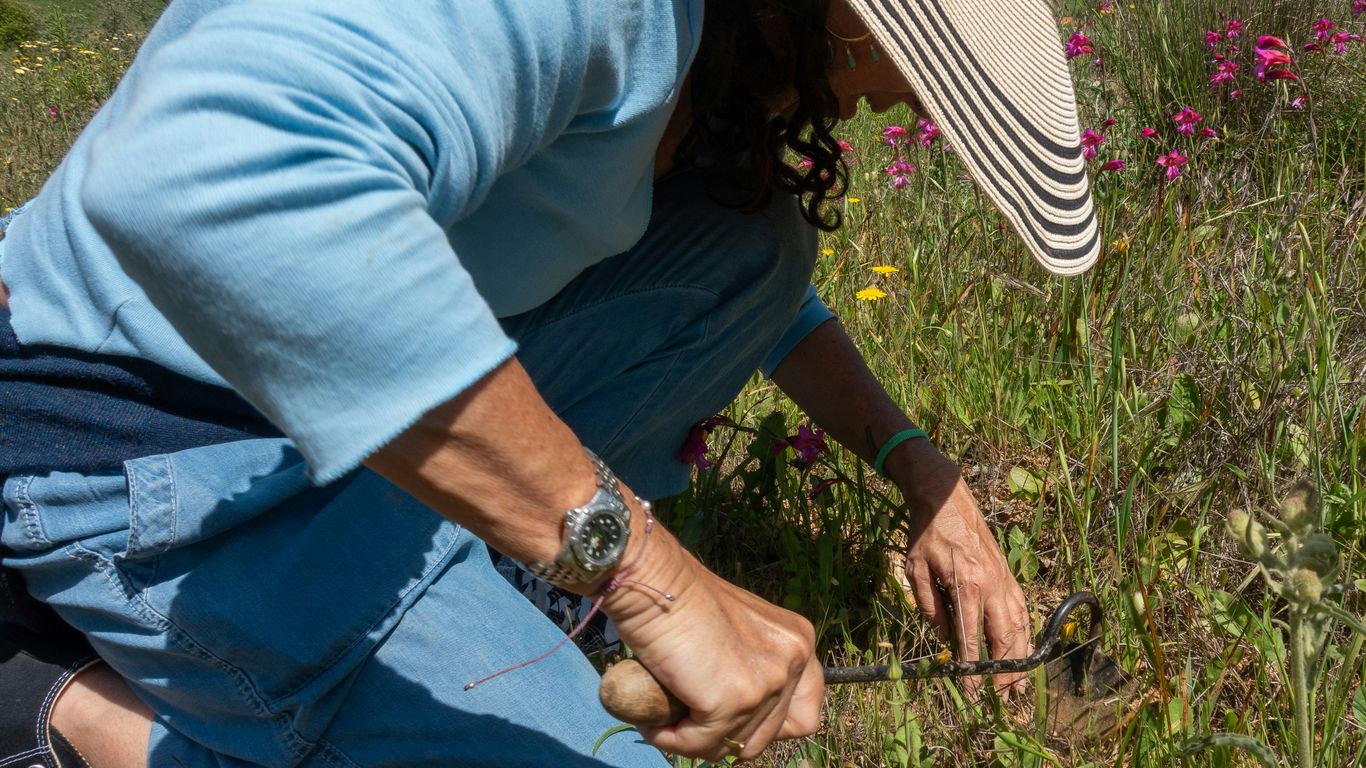
Insurance fraud is a serious issue that affects everyone involved in the agricultural sector. It’s not just about a few bad actors; widespread fraud can destabilize the entire system, leading to higher premiums for honest farmers and potentially reducing the availability of coverage. Insurers are constantly working to stay ahead of those who might try to game the system, and understanding these efforts is key for policyholders.
Types of Insurance Fraud Relevant to Agriculture
When we talk about fraud in crop insurance, it can show up in a few different ways. It’s not always a dramatic, staged event. Sometimes it’s more subtle, but just as damaging to the insurance pool.
- Application Fraud: This happens when a farmer intentionally provides false information when applying for a policy. This could involve misrepresenting acreage, crop types, planting dates, or previous loss history. The goal is usually to get a lower premium or to qualify for coverage they wouldn’t otherwise receive.
- Claims Fraud: This is perhaps the most common type. It can involve exaggerating the extent of a loss, claiming damage from a covered peril when it was actually caused by something excluded, or even fabricating a loss entirely. Sometimes, it involves submitting documentation that isn’t genuine.
- Premium Fraud: This might involve schemes where someone tries to avoid paying premiums altogether, perhaps by using fake payment methods or colluding with others to create fraudulent policies.
Anti-Fraud Measures Employed by Insurers
Insurers don’t just sit back and hope fraud doesn’t happen. They have dedicated teams and sophisticated tools to combat it. It’s a constant cat-and-mouse game, but the goal is to protect the integrity of the insurance market.
- Data Analytics: Insurers use advanced software to sift through vast amounts of data. They look for patterns, inconsistencies, and anomalies that might signal a fraudulent claim or application. This can include comparing claim details against historical data, weather patterns, or even satellite imagery.
- Investigation Units: Many insurance companies have Special Investigation Units (SIUs) staffed with experienced investigators. These units look into suspicious claims and applications, conducting interviews, reviewing evidence, and working with law enforcement when necessary.
- Industry Collaboration: Insurers often share information about known fraudulent activities or individuals with other companies and industry groups. This helps prevent fraudsters from simply moving to a different insurer after being caught.
The principle of utmost good faith is central to all insurance contracts. This means both the applicant and the insurer must be completely honest and transparent. Any intentional misrepresentation or concealment of material facts can have serious consequences, including the denial of claims or even the voiding of the policy itself. Maintaining this trust is vital for the fair functioning of the insurance system.
Maintaining Pool Integrity Through Vigilance
Ultimately, preventing fraud is about more than just catching dishonest individuals. It’s about safeguarding the entire crop insurance program. When fraud is kept in check, premiums remain more stable, and coverage stays available for farmers who genuinely need it. This requires ongoing vigilance from insurers and a commitment to honest practices from policyholders. If you suspect any fraudulent activity, reporting it is important for the health of the agricultural community and the insurance market. It’s a shared responsibility to keep the system fair and functional for everyone involved.
Wrapping Up Crop Insurance
So, we’ve gone over a lot about crop insurance. It’s a pretty complex system, really, with all sorts of rules and ways it works. From how policies are written to what happens when something goes wrong, there’s a lot to keep track of. It’s designed to help farmers out when things get tough, like bad weather or other problems that mess with their crops. But it’s not just a simple payout; there are principles and processes involved to make sure it’s fair for everyone. Understanding these programs is a big deal for anyone in farming, helping them plan and protect their livelihood. It’s a tool that’s there to provide some stability in a business that’s always a bit of a gamble.
Frequently Asked Questions
What exactly is crop insurance and why do farmers use it?
Crop insurance is like a safety net for farmers. It helps protect them financially if something bad happens to their crops, like a flood, drought, or disease. This way, farmers don’t lose all their hard work and money if the harvest fails.
How does a crop insurance policy work?
Think of it like a contract. You pay a small amount of money regularly (called a premium), and in return, the insurance company promises to pay you if your crops are damaged by certain events listed in the contract. It covers specific risks and has limits on how much it will pay.
What are premiums, deductibles, and coverage limits?
Premiums are the payments you make to have insurance. A deductible is the amount of the loss you have to pay yourself before the insurance kicks in. Coverage limits are the maximum amounts the insurance company will pay for a loss.
What kind of crop problems does insurance usually cover?
Insurance typically covers losses caused by natural disasters like storms, hail, drought, and floods. It can also cover damage from certain diseases or pests, but it’s important to check your specific policy to see exactly what is covered and what isn’t.
What does it mean to have ‘utmost good faith’ in insurance?
This means both you and the insurance company have to be completely honest. You need to tell the insurance company everything important about your farm and crops that might affect their decision to insure you. They, in turn, must be fair and honest in how they handle your policy and claims.
What happens if a farmer has to make a claim?
If something happens to the crops, the farmer needs to tell the insurance company right away. They’ll likely need to provide proof of the damage, like photos or records. The insurance company will then investigate to see if the loss is covered by the policy and figure out how much to pay.
Can things like climate change affect crop insurance?
Yes, definitely. Climate change can lead to more extreme weather, like bigger storms or longer droughts. This makes it harder for insurance companies to predict losses, and they might have to change how they assess risk and set prices for insurance.
What is ‘underwriting’ in crop insurance?
Underwriting is the process where the insurance company checks out the risk involved before they agree to insure a farm. They look at things like the type of crops, where the farm is located, and the farmer’s history to decide if they can offer insurance and at what price.