Dealing with insurance can feel like a maze sometimes, right? You pay your premiums hoping that if something happens, you’re covered. But unfortunately, not everyone plays by the rules. Insurance fraud examples are out there, and they cost all of us. It’s like some folks think they can just pull a fast one and get away with it. This article breaks down some of the common ways people try to cheat the system, so you know what to look out for.
Key Takeaways
- Staged accidents and fake damage claims are common ways people try to get money from auto insurance.
- Giving wrong information when you apply for insurance, like your address or who drives the car, is a form of fraud.
- Health and accident claims can be faked by billing for services never given or working with dishonest providers.
- In the auto repair world, scams like inflated costs, faulty parts, or adding extra damage can happen.
- Group insurance fraud often involves faking receipts, claiming for dependents, or providers billing for services not rendered.
Common Auto Insurance Fraud Examples
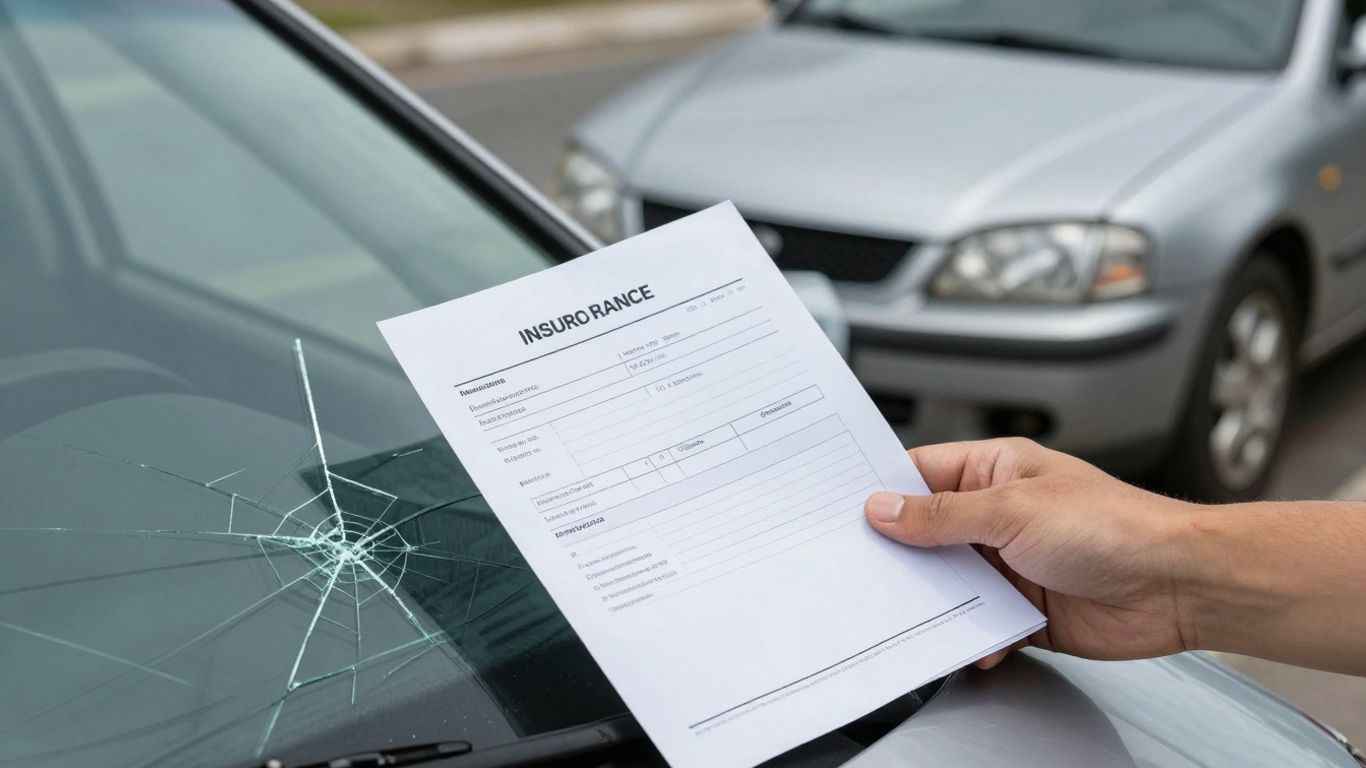
When it comes to car insurance, there are a few ways folks try to pull a fast one. It’s not just about making a claim when something actually happens; sometimes, people get creative in ways that aren’t exactly honest. This can range from making up accidents to tweaking details about your car or the damage. It might seem like a quick way to get some extra cash, but it really messes things up for everyone else by driving up insurance costs for all of us.
Staged Collisions And Accidents
This is a pretty common trick. Someone might intentionally cause a crash, often a fender-bender, and then try to make it look like you were at fault. They might even have a fake witness ready to back up their story. Another version is the "wave and hit," where a scammer pretends to let you merge into traffic, only to slam into your car as you move forward. It’s all about creating a situation where they can file a claim against your insurance, or even their own, for damage that wasn’t really your fault or was exaggerated.
Misrepresenting Vehicle Information
Sometimes, people try to get a better insurance rate by not being totally upfront about their car. This could mean saying you live in a different neighborhood where rates are lower, or not mentioning all the drivers in your household. It’s also possible to lie about the car itself, like its make, model, or even its condition, to get a cheaper premium. These little white lies add up and can lead to bigger problems if discovered.
Falsifying Vehicle Theft Or Damage
This is where things get a bit more serious. Some individuals might claim their car was stolen when it wasn’t, perhaps because they’ve already sold it or stripped it for parts. They’re essentially trying to get paid by the insurance company for a vehicle they no longer have or that they’ve already profited from. Similarly, people might inflate the cost of repairs needed after an accident, claiming more damage than actually exists to get a larger payout.
Inflated Repair Costs
Even when a legitimate accident happens, there’s still room for fraud. This often involves auto repair shops or towing companies. They might charge way more than necessary for parts or labor, or add charges for services that weren’t actually performed. Think excessive towing and storage fees, or claiming to replace parts that were fine to begin with. It’s a way for dishonest businesses to make extra money off insurance claims, and guess who ends up footing the bill? We all do, through higher premiums.
Deceptive Practices In Auto Repair
Sometimes, after an accident, you just want to get your car fixed and back on the road. It’s a stressful time, and you might not be thinking too hard about the repair shop’s bill. Unfortunately, some repair shops take advantage of this situation. They might try to pad the bill or even do shoddy work, knowing you’re likely not going to scrutinize every detail.
Inflated Towing and Storage Charges
This is a pretty common one. You get into an accident, and your car needs to be towed. A tow truck shows up, takes your car to a shop, and then the bills start rolling in. Sometimes, the towing company or the repair shop will rack up charges for storage that seem way too high, or they’ll claim your car was stored for much longer than it actually was. They might also charge you for services that weren’t really needed, like excessive cleaning or special handling, just to boost the final cost.
Faulty Airbag Replacements
This one is serious and can be really dangerous. After a collision where airbags deploy, they absolutely need to be replaced. However, some dishonest shops might skip this step entirely. They might just put a dummy airbag in, or worse, use a salvaged airbag that might not work correctly or could even be faulty. They do this to save money, but it leaves you unprotected in a future crash. Sometimes, they’ll even make it look like the airbag deployed when it didn’t, just to bill your insurance company for a replacement.
Inflicting Additional Damage
This is a really sneaky tactic. A repair shop might intentionally cause more damage to your vehicle than what resulted from the original accident. They might do this by hitting parts of the car that were fine, or by making existing minor damage much worse. The goal is simple: to make the repair bill look bigger so they can get more money from the insurance company. It’s a betrayal of trust, and it means your car might end up with more problems than it started with.
It’s always a good idea to get a second opinion on major repairs, especially if something feels off about the estimate or the work being done. Don’t be afraid to ask questions and get everything in writing.
Here are a few red flags to watch out for:
- The repair shop tries to steer you towards them immediately after an accident, especially if you don’t know them.
- You’re asked to sign blank repair forms or insurance claim documents.
- The final bill includes charges for parts or labor that don’t seem right or that you didn’t authorize.
- The repair shop seems reluctant to provide a detailed breakdown of the work performed and the costs involved.
Fraudulent Health And Accident Claims
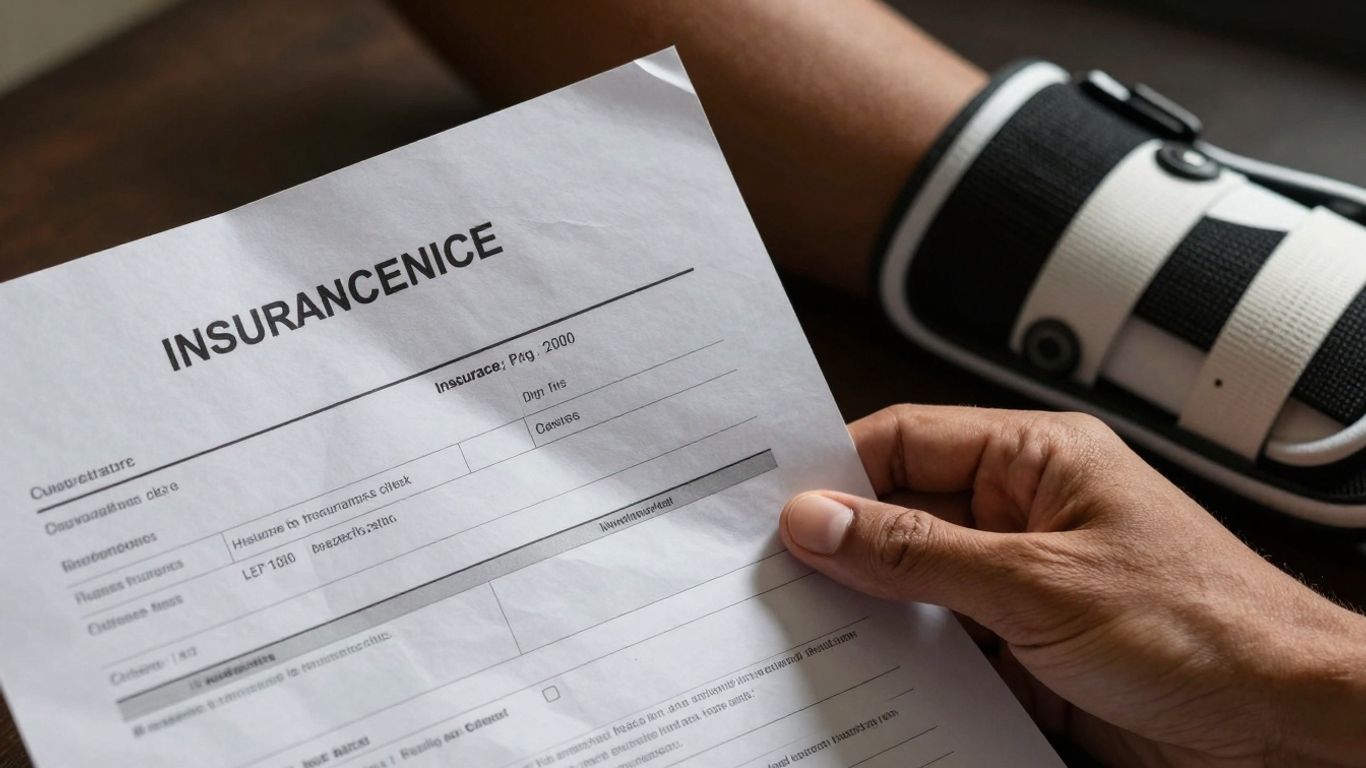
When it comes to health and accident insurance, unfortunately, there are folks out there looking to game the system. It’s not just about making a mistake on a form; some people actively try to defraud insurance companies, and guess who ends up footing the bill? All of us, through higher premiums. It’s a real problem that costs a lot of money and puts a strain on everything from emergency services to the courts.
Submitting Claims For Unreceived Services
This is a pretty common trick. Someone might submit a claim for medical treatment, therapy, or even medical equipment that was never actually provided or received. Sometimes, it’s as simple as claiming you got a prescription refill when you didn’t, or that you attended a physical therapy session that never happened. The goal is to get money from the insurer for something that didn’t occur.
Collusion With Healthcare Providers
This is where it gets a bit more complex. It involves a dishonest patient working with a healthcare provider, like a clinic or a doctor’s office. The provider might bill the insurance company for a service that’s covered by the plan, but the patient actually receives a different service that isn’t covered. Or, the provider might just bill for services that were never rendered at all, and then split the payout with the patient. It’s a shady partnership designed to cheat the system. Sometimes, medical clinic staff might even ask claimants to sign blank forms, which they then fill out with fake services to bill insurers.
Signing Blank Claim Forms
This one is a big red flag. Never, ever sign a blank insurance claim form. It might seem like a shortcut, especially if you’re feeling overwhelmed after an accident or injury, but it’s a dangerous practice. Dishonest individuals or clinics can take that blank form and fill it out with inflated charges or services you never received. They might even forge a doctor’s signature. Always review your claim forms carefully before signing and ensure they accurately reflect the services you received. If you’re unsure about what’s covered, it’s better to ask questions or seek advice from a trusted source, rather than signing something you don’t fully understand. Being aware of health insurance scams is key to protecting yourself.
Here are a few things to watch out for:
- Be wary of anyone pressuring you to sign blank forms.
- Always get itemized bills for services rendered.
- Compare your insurance statements against your own records.
- If a stranger tries to direct you to a specific doctor or clinic, be cautious.
It’s important to remember that insurance fraud isn’t a victimless crime. When claims are falsified, honest policyholders end up paying more. Reporting suspicious activity helps protect everyone.
Misrepresentation During Policy Application
When you first apply for car insurance, you’re asked a bunch of questions. It seems straightforward, right? But some folks try to bend the truth to get a better deal. This is called misrepresentation, and it’s a pretty common way people try to cheat the system. It’s basically lying on your insurance application to get lower rates or better coverage than you should.
False Address For Lower Rates
This is a big one. People sometimes give a different address than where they actually live. Why? Because insurance rates can be way cheaper in certain neighborhoods. So, you might say you live out in the sticks when you’re really parking your car in the city every night. It’s a gamble because if you ever need to file a claim, and they find out your real address, your policy could be in trouble. It’s not just about the address, though. Sometimes people try to hide who else drives their car.
Concealing Household Drivers
Another common trick is not telling the insurance company about everyone in your household who might drive the car. Maybe your teenage son just got his license, or your visiting cousin has been borrowing your car. If they’re not listed on the policy, and they get into an accident, the insurance company might deny the claim. They figure if you don’t tell them about all the drivers, you’re trying to avoid higher premiums. It’s a risk that can really backfire.
Misstating Vehicle Details
People also sometimes fudge the details about their car. This could be anything from the car’s actual mileage to whether it has certain safety features or even its trim level. For instance, saying your car is a base model when it’s actually a high-performance version can lower your premium. Or maybe you claim you only drive your car to the grocery store and back, when in reality, you have a long daily commute. These little white lies might seem harmless, but they can lead to serious issues down the road if an investigation uncovers the truth. It’s always better to be upfront about your vehicle and how you use it. You can find more information about insurance fraud and how it impacts everyone.
Illicit Vehicle Sales And Identification
Selling Stolen Vehicles
This is a pretty straightforward, but unfortunately common, type of fraud. Someone steals a car, then they try to make it look legitimate so they can sell it. They might try to get rid of it quickly overseas, or they might take it apart and sell the parts. Sometimes, they’ll even try to give it a new identity with a fake Vehicle Identification Number (VIN) to trick buyers. It’s a risky business for the seller, and a terrible situation for the person who buys a stolen car, often without knowing it.
Altering Vehicle Identification Numbers
The VIN is like a car’s fingerprint. It’s a unique 17-character code that tells you everything about the car’s make, model, year, and where it was built. Fraudsters will try to change this number to hide the fact that a car is stolen or that it’s been declared a total loss and shouldn’t be on the road. They might try to swap VIN plates, re-stamp numbers, or even use parts from different cars to create a Frankenstein vehicle with a fake history. This makes it incredibly difficult to track the vehicle’s true origin and ownership.
Using Salvaged Vehicle Parts
When a car is damaged beyond repair, it’s often declared ‘salvaged.’ This means it’s only good for parts. However, some shady repair shops or sellers might take these salvaged parts, which are usually cheaper and sometimes unsafe, and use them in repairs on other vehicles without telling the owner or the insurance company. They might even try to pass off salvaged parts as new or genuine. This can be dangerous, especially with critical components like airbags or structural pieces, and it’s definitely not what you’re paying for.
Group Insurance Fraud Schemes
Group insurance fraud can really mess things up for everyone involved. It’s not just about one person trying to get a little extra cash; it can lead to higher costs for employers and less coverage for employees. People try all sorts of tricks, but the consequences can be pretty severe if they get caught. It’s a team effort to stop this stuff.
Forging Receipts For Reimbursement
This is a pretty straightforward way people try to cheat the system. Someone gets a service or buys something, and then they mess with the receipt. Maybe they change the price to make it look more expensive than it was, or they might even create a fake receipt altogether for something they never bought. The goal is simple: get more money back from the insurance plan than they actually spent.
Claiming Services For Dependents
This one often happens when someone has already used up their annual insurance limit. Instead of accepting that they’re done for the year, they might try to submit a claim for a service their spouse or child supposedly received. If that dependent never actually got the service, then it’s definitely fraud. It’s like trying to sneak in an extra claim when you’re not supposed to.
Provider Fraudulent Billing
Sometimes, it’s not just the plan member who’s causing trouble. Healthcare providers can get in on the act too. They might bill the insurance company for services that were never actually provided to a patient. Or, they could team up with a patient, agreeing to bill for a covered service while actually giving a different, non-covered one, and then splitting the payout. It’s a shady business that hurts everyone.
It’s important to remember that fraud isn’t a victimless crime. When these schemes work, the costs get passed on. Employers might see their premiums skyrocket, forcing them to cut back on benefits, which makes it harder to attract and keep good employees. For employees, it means higher out-of-pocket expenses and less coverage when they actually need it. The system is designed to help people, and fraud breaks that trust.
Wrapping Up: What You Can Do
So, we’ve gone over a bunch of ways people try to cheat the insurance system, from faking accidents to lying about what they own. It’s a real problem, and honestly, it ends up costing all of us more money through higher premiums. The good news is, we’re not helpless. By staying aware of these common scams and being careful about who we deal with after an accident, we can all play a part in stopping this. If you see something suspicious, don’t hesitate to report it. It might just save someone else from getting ripped off.
Frequently Asked Questions
What exactly is insurance fraud?
Insurance fraud is basically tricking an insurance company to get money you’re not supposed to have. This can happen in many ways, like faking an accident, lying about your car’s details when you buy insurance, or making up a story about your car being stolen or damaged when it wasn’t.
How does faking car accidents happen?
Scammers might intentionally cause a crash, often by slamming on their brakes suddenly or sideswiping another car, to make it look like the other driver’s fault. They might also work with dishonest mechanics who inflate repair costs or even claim damage that wasn’t caused by the accident.
What are some ways people cheat on their car insurance applications?
People might lie about where they live to get cheaper rates, not tell the insurance company about all the drivers in their household, or give wrong information about the car, like its model or how much it’s driven. This is done to pay less for insurance than they should.
Can you explain fraud related to car repairs?
Yes, some repair shops might try to scam you or your insurance company. They could charge for services not done, use fake or old parts like airbags instead of new ones, or even add extra damage to your car after an accident to make the repair bill much higher.
What is group insurance fraud?
This happens when people try to get money from group insurance plans unfairly. Examples include faking receipts for services, claiming treatments or items that were never actually received, or even working with a healthcare provider to bill for services that weren’t needed or provided.
What happens if someone gets caught committing insurance fraud?
Getting caught can lead to serious trouble. Besides having to pay back the money, people can face criminal charges, hefty fines, and even jail time, especially for larger amounts. It also makes insurance more expensive for everyone else.