

Running a business is tough enough without worrying about what happens if something goes wrong with your physical stuff. Whether it’s your building, your equipment, or the products you sell, damage or loss can really mess things up. That’s where commercial property insurance comes in. It’s basically a safety net for all those tangible things your business relies on. This guide breaks down what commercial property insurance is all about, what it covers, and what it doesn’t, so you can make sure your business is protected.
Key Takeaways
- Commercial property insurance protects your business’s physical assets like buildings, equipment, and inventory from damage or theft.
- Policies can be ‘named perils’ (covering only listed events) or ‘all-risks’ (covering everything except listed exclusions).
- Standard policies often exclude things like floods, earthquakes, and cyberattacks, which may require separate coverage.
- Optional add-ons like business interruption insurance and equipment breakdown protection can offer more complete coverage.
- Factors like your business size, location, and past claims history influence how much your commercial property insurance will cost.
Understanding What Commercial Property Insurance Covers
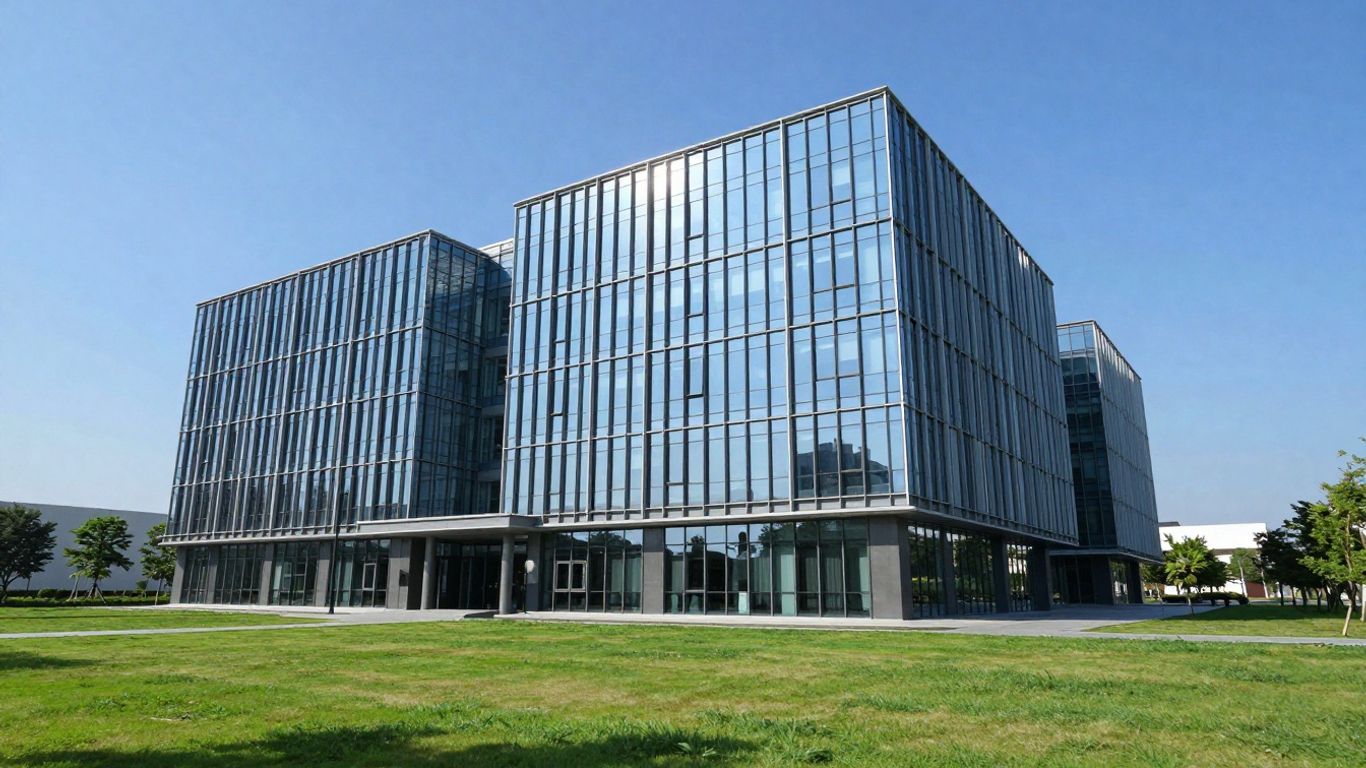
So, what exactly does commercial property insurance have your back on? Think of it as the safety net for the physical stuff that keeps your business running. Without it, a fire, a major storm, or even a break-in could mean losing everything you’ve worked for. This insurance is designed to help you get back on your feet, minimizing the time you’re shut down and the money you lose unexpectedly.
Building Structure, Equipment, and Contents
At its core, this insurance protects the building itself – the foundation, walls, roof, and anything permanently attached. But it doesn’t stop there. It also covers the "contents" – all the equipment, machinery, tools, furniture, computers, and electronics that you use every single day. Whether you own the building or lease the space, this coverage is key to protecting your operational assets.
- Building Structure: Covers the physical shell of your business premises.
- Business Contents: Includes everything from desks and chairs to specialized machinery and computers.
- Owned or Leased Spaces: Provides protection regardless of your ownership status of the property.
Signage, Inventory, and Leasehold Improvements
Beyond the main structure and equipment, commercial property insurance also looks out for other important business assets. Your outdoor signs that attract customers? Covered. Your inventory, the products you sell? Also covered. And if you’ve made upgrades to a leased space – like new flooring, lighting, or custom cabinetry – those "leasehold improvements" are protected too, even if your landlord’s policy doesn’t include them.
It’s easy to overlook the smaller details, but things like signage and improvements to a leased space are vital for your business’s image and functionality. Having them insured means you won’t have to bear the full cost of repair or replacement if something happens.
Business Personal Property Coverage
This is a big one. Business Personal Property (BPP) covers all the movable items that belong to your business. This includes things like:
- Office furniture and supplies
- Computers and electronics
- Machinery and tools
- Inventory and raw materials
Often, BPP coverage extends to items located within a certain distance (like 100 feet) of your main business premises. This means if a piece of critical equipment is stored at a nearby facility and gets damaged, it could still be covered.
Exploring Different Types of Commercial Property Insurance Policies

Commercial property insurance isn’t just one thing. It’s more like a toolbox with different tools for different jobs. You’ve got to pick the right ones for your business, or you might find yourself unprotected when something unexpected happens. Let’s break down some of the main types you’ll run into.
Named Perils Versus All-Risks Policies
This is a big one. When you’re looking at policies, you’ll see they generally fall into two camps: Named Perils and All-Risks. The main difference is what they cover and what they don’t.
- Named Perils: Think of this like a specific shopping list. The policy only covers damage from the exact events listed in the contract. So, if it says fire, theft, and vandalism are covered, that’s all you get. If a storm damages your roof and it’s not on the list, you’re likely on your own.
- All-Risks (or Special Perils): This sounds like it covers everything, right? Well, almost. It covers damage from any cause unless it’s specifically listed as an exclusion in the policy. This is usually broader and offers more protection, but you absolutely have to read those exclusions carefully. Things like floods or earthquakes are often excluded here too, so don’t assume.
Here’s a quick look at how they stack up:
| Policy Type | What’s Covered | What’s Typically Excluded (Unless Added) |
|---|---|---|
| Named Perils | Only events specifically listed in the policy | Anything not listed |
| All-Risks | All causes of loss, except those listed as exclusions | Flood, earthquake, wear & tear, etc. |
Coverage for Vacant or Unoccupied Buildings
Got a property that’s sitting empty for a while? Maybe you’re renovating, or it’s between tenants. Standard policies often get nervous about vacant buildings. They figure there’s a higher chance of things like vandalism or fire when no one’s around. Many policies will stop covering a building if it’s empty for more than 30 to 60 days.
If your property is going to be unoccupied, you’ll likely need a specific endorsement or a separate policy for vacant buildings. It’s usually more expensive because, well, it’s riskier. But it’s way better than having no coverage at all during that empty period.
Builders Risk Insurance
This one is for when you’re building something new or doing a major renovation. Builders risk insurance covers the building itself, materials, and equipment while the construction project is underway. It’s designed to protect against damage from things like fire, wind, vandalism, and theft that can happen during the construction phase. Once the project is finished and the building is occupied, this coverage usually ends, and you’d switch to a standard commercial property policy.
It’s easy to think that once you have a policy, you’re set. But insurance is a living thing. It needs to be checked on, especially when your business changes or when you’re dealing with unique situations like construction or vacant properties. Don’t just set it and forget it.
Identifying What Commercial Property Insurance Does Not Cover
It’s easy to think that commercial property insurance is a magic shield for everything that could go wrong with your business’s physical assets. But, like most things, it has its limits. Knowing these gaps upfront is super important so you don’t get caught off guard when something unexpected happens.
Flood and Earthquake Exclusions
Standard policies usually skip over damage from floods and earthquakes. These are often seen as major, widespread events that are too risky for regular coverage. If your business is in an area where these natural disasters are a real possibility, you’ll definitely need to look into separate insurance policies or specific add-ons for them. It’s not a "nice to have," it’s a "must have" if you’re in a high-risk zone.
Cybercrime and Data Breach Limitations
Your physical building and its contents are one thing, but what about your digital assets and operations? Commercial property insurance typically doesn’t touch issues like hacking, data breaches, or ransomware attacks. These kinds of digital threats require their own specialized cyber insurance. Trying to cover these with a standard property policy is like trying to use a garden hose to put out a wildfire – it’s just not designed for the job.
Wear and Tear, Mould, and Pest Infestations
This is where things get a bit more about maintenance. Insurers generally don’t cover damage that happens slowly over time, like normal wear and tear on equipment or the building itself. They also usually exclude problems like mould, rot, or damage caused by pests like rodents or insects. The thinking here is that these issues are preventable with regular upkeep and proper pest control. It’s up to you to keep your property in good shape and deal with these kinds of gradual problems before they become major issues.
Think of it this way: your insurance policy is there to help you recover from sudden, unexpected events, not to cover the costs of ongoing maintenance or predictable deterioration. It’s a partnership, and part of that partnership means you’re responsible for the day-to-day care of your business assets.
Here’s a quick rundown of common exclusions:
- Natural Disasters: Floods, earthquakes, landslides, volcanic eruptions.
- Cyber Incidents: Data breaches, hacking, ransomware, denial-of-service attacks.
- Gradual Damage: Wear and tear, rust, corrosion, mould, rot, pest infestations.
- Intentional Acts: Damage caused deliberately by you or your employees.
- War and Terrorism: Losses resulting from acts of war or terrorism.
It’s always a good idea to sit down with your insurance agent and go through your policy with a fine-tooth comb. Ask questions. Make sure you understand exactly what’s covered and, just as importantly, what’s not.
Considering Optional Add-Ons for Comprehensive Protection
Business Interruption Coverage
Sometimes, even with the best property insurance, your business might have to shut its doors for a bit. Maybe a fire damaged your building, or a major storm made it unsafe to operate. That’s where business interruption coverage comes in. It helps replace the income you lose and covers ongoing expenses, like rent or payroll, while you’re getting back on your feet. It’s not usually part of a standard policy, so you’ll likely need to add it on. Think of it as a safety net for your cash flow when the unexpected happens.
Equipment Breakdown Protection
Your business probably relies on a lot of machinery, computers, or specialized equipment to get things done. What happens if your main production machine suddenly stops working due to an electrical surge, or your HVAC system gives out in the middle of summer? Standard property insurance often doesn’t cover these kinds of mechanical or electrical failures. Equipment breakdown protection is an add-on that steps in to cover the cost of repairing or replacing these vital pieces of equipment, helping you avoid costly downtime.
Environmental Hazards and Commercial Auto Add-Ons
Depending on your business type and location, you might face risks that aren’t typically covered by a basic property policy. For instance, if your business handles chemicals, a spill could lead to cleanup costs and liability. Environmental hazard coverage can help with these situations. Similarly, if your business uses vehicles, those aren’t usually covered under your property insurance. A commercial auto add-on is necessary to protect your business vehicles against accidents, theft, or other damage. It’s about making sure all your operational bases are covered.
Here’s a quick look at what might be an add-on:
- Business Interruption: Covers lost income and operating costs when you can’t do business.
- Equipment Breakdown: Protects against failures of machinery, electronics, and other essential equipment.
- Environmental Hazards: Addresses issues like chemical spills or pollution cleanup.
- Commercial Auto: Covers vehicles used for your business.
It’s easy to think your main property insurance covers everything, but there are often gaps. These add-ons are designed to fill those specific holes, giving you a more complete shield against potential financial losses that could otherwise cripple your business.
Factors Influencing Commercial Property Insurance Costs
So, you’re looking into commercial property insurance and wondering why the price tag seems to jump around. It’s not just a random number; a bunch of things go into figuring out how much you’ll pay. Think of it like getting a quote for a car – the make, model, your driving record, where you live, it all matters. Insurance works similarly.
Business Size and Property Value
One of the biggest pieces of the puzzle is simply how big your business is and what your property is worth. A sprawling warehouse filled with expensive machinery is going to cost more to insure than a small corner shop. It makes sense, right? More stuff, more space, more potential for loss means a higher premium. The total value of your building, equipment, and inventory is a direct factor. If you have a lot of high-value assets, your insurance cost will naturally go up.
Claims History and Risk Assessment
Your business’s past plays a role too. If you’ve filed a lot of claims recently, or even just a few significant ones, insurers might see you as a higher risk. This can lead to increased premiums because they anticipate a greater chance of paying out again. They look at your industry too. Some businesses are just inherently riskier than others. A construction company, for example, has different risks than a quiet accounting firm. Insurers assess this risk profile to set your rate.
Location and Security Measures
Where your business is located is a pretty big deal. Is it in an area known for high crime rates? Is it in a region prone to natural disasters like floods or wildfires? These factors can significantly impact your premium. On the flip side, if you’ve invested in good security, that can help lower your costs. Think about things like:
- Fire alarms and sprinkler systems: These can drastically reduce the risk of fire damage.
- Security cameras and alarm systems: Deterring theft and vandalism can lower your premium.
- Robust data security: For businesses with digital assets, strong firewalls and encryption show you’re managing cyber risks.
- Well-maintained property: Keeping up with repairs and preventing issues like mould or pest infestations shows responsible ownership.
Ultimately, insurance companies want to see that you’re actively working to prevent losses. The more proactive you are with security and maintenance, the better your chances of getting a more favorable rate. It’s about showing them you’re a good bet.
Here’s a rough idea of how different business types might see costs, though remember these are just estimates and can vary wildly:
| Business Type | Property Type | Estimated Annual Premium (CAD) |
|---|---|---|
| Small Retail Store | Leased Unit | $750 – $1,200 |
| Office Space | Owned or Leased | Request a quote |
| Restaurant | Leased with Kitchen | Request a quote |
| Warehouse | Owned Facility | Request a quote |
| Manufacturer | Multi-Use Building | Request a quote |
Optimizing Your Commercial Property Insurance Plan
So, you’ve got your commercial property insurance sorted, but are you sure you’re getting the most bang for your buck? It’s not just about having a policy; it’s about making sure that policy actually works for you, especially as your business changes. Think of it like tuning up your car – a little regular attention can prevent bigger headaches down the road.
Bundling Policies for Savings
One of the easiest ways to potentially lower your overall insurance costs is by bundling. Instead of getting your property insurance from one company and your liability or auto insurance from another, see if you can get them all under one roof. Many insurers offer discounts when you consolidate your policies. It simplifies your paperwork too, which is always a win.
Adjusting Deductibles and Enhancing Security
Your deductible is the amount you pay out-of-pocket before your insurance kicks in. Raising your deductible can lower your premium, but you need to be honest about whether you can afford that higher amount if you ever need to file a claim. On the flip side, investing in better security measures can actually lower your premiums. Think about things like:
- Upgraded fire alarm systems
- Modern sprinkler systems
- Comprehensive security cameras
- Robust cybersecurity measures like firewalls and multi-factor authentication
These aren’t just good for preventing losses; they can signal to insurers that you’re a lower risk, potentially leading to better rates. It’s about proactive risk management, not just reactive coverage. You can explore expert strategies to control commercial insurance costs and lower business premiums to get a better idea of how these factors play out in managing your expenses.
Regularly Reviewing Coverage Needs
Your business isn’t static, so why should your insurance be? As you grow, acquire new equipment, or even change your business operations, your insurance needs change too. It’s a good idea to sit down with your insurance provider or broker at least once a year, or whenever you make significant changes, to review your policy. Make sure the coverage limits still match the value of your property and contents. Over-insuring means you’re paying too much, but under-insuring can lead to a nasty surprise if you have to file a claim and find out you’re not covered for the full amount. This is often referred to as a co-insurance penalty, and nobody wants that.
Keeping your insurance policy up-to-date with your business’s current value and risks is key. It prevents paying for coverage you don’t need while making sure you’re protected against the things that matter most.
Wrapping It Up
So, we’ve gone over what commercial property insurance is all about. It’s not just about protecting your building, but also all the stuff inside that keeps your business running – your equipment, your inventory, even your signs. Remember, standard policies don’t always cover everything, like floods or cyber issues, so you might need extra coverage for those. Picking the right policy can feel like a lot, but it’s really about making sure your business can bounce back if something unexpected happens. Getting the right insurance means you can focus on your work without constantly worrying about what might go wrong.
Frequently Asked Questions
What exactly does commercial property insurance cover?
Think of it like a safety net for your business’s physical stuff. It usually covers your building, things inside like equipment and furniture, your products for sale (inventory), and even your signs. If something bad happens, like a fire or theft, this insurance helps you fix or replace these items so you can get back to business.
Are there different kinds of commercial property insurance policies?
Yes, there are! Some policies only cover specific problems that are listed, like fire or wind. Others are called ‘all-risks’ policies, meaning they cover everything unless it’s specifically left out. It’s important to know which type you have so you understand what’s protected.
What common things are NOT covered by standard property insurance?
Usually, things like floods and earthquakes aren’t included. Also, damage from normal wear and tear, mold, or pests is typically not covered because those are seen as maintenance issues. For things like cyberattacks, you’ll need a separate policy.
What is ‘business interruption’ coverage?
Imagine your business has to close for a while because of damage, like from a fire. Business interruption insurance helps pay for your lost income and ongoing bills during that shutdown period. It’s like a financial bridge to help you reopen.
How can I make my commercial property insurance cheaper?
You can often save money by bundling your property insurance with other types of business insurance. Also, increasing the amount you’re willing to pay if you have a claim (your deductible) can lower your monthly payments. Making your business more secure with good locks, alarms, and cameras can also help reduce your insurance costs.
How do I know if I have enough coverage?
It’s a good idea to get your property and everything in it professionally appraised to figure out how much it would cost to replace. You should also check your policy regularly, especially if you’ve bought new equipment or your business has grown, to make sure your coverage still fits your needs.