

So, you’ve got a business and vehicles to go with it. That’s great! But have you thought about what happens if one of those vehicles gets into an accident while doing business? It’s not quite the same as your personal car. Commercial auto insurance is there to cover those business-related vehicle situations. It’s a bit different from your regular car insurance, and understanding the basics can save you a lot of headaches down the road. Let’s break down what commercial auto insurance is all about.
Key Takeaways
- Commercial auto insurance is for vehicles used for business, covering things personal policies don’t.
- It includes liability protection for injuries and property damage you cause.
- Physical damage coverage helps fix or replace your business vehicles after accidents or other events.
- Options like uninsured motorist and medical payments coverage add extra layers of protection.
- Many businesses, from small shops to large fleets, need commercial auto insurance if vehicles are used for work.
Understanding Commercial Auto Insurance Coverage
What is Commercial Auto Insurance?
So, you’ve got a business, and that business uses vehicles. Maybe it’s a van for deliveries, a truck for hauling equipment, or even just a car for client visits. If these vehicles are used for work, your regular personal auto insurance probably won’t cut it. That’s where commercial auto insurance comes in. It’s basically insurance designed specifically for vehicles that are used for business purposes. It helps cover costs if one of those work vehicles gets into an accident, causing damage or injuries. Think of it as a safety net for your business’s wheels.
Key Differences From Personal Auto Policies
It might seem like just another car insurance policy, but commercial auto insurance is quite different from the one you might have for your personal car. For starters, the risks are usually higher. Business vehicles often drive more miles, carry heavier loads, or are driven by multiple employees, all of which can increase the chance of an accident. Because of this, commercial policies typically have higher coverage limits and can be more expensive. They also cover a wider range of vehicles, from small cars to large trucks, and can be tailored to specific business needs, which personal policies generally don’t offer.
Here’s a quick look at some common differences:
- Coverage Limits: Commercial policies often have much higher limits to cover potential business-related liabilities.
- Vehicle Types: Covers a broader spectrum of vehicles, including specialized commercial trucks and vans.
- Driver Eligibility: Policies are designed for employees driving on behalf of the business, not just personal use.
- Business Use: Explicitly covers vehicles used for commercial activities, which personal policies might exclude.
Why Commercial Auto Insurance Is Essential
Look, accidents happen. It’s just a fact of life, and unfortunately, it’s also a fact of business when vehicles are involved. If an employee driving a company car gets into an accident, the costs can pile up fast. We’re talking about repairs to vehicles, medical bills for injured people, and potentially even legal fees if someone decides to sue. Without commercial auto insurance, your business could be on the hook for all of it, which could seriously hurt your finances, maybe even enough to put you out of business. It’s not just about protecting the vehicles; it’s about protecting your entire operation.
Having the right commercial auto insurance means you can focus on running your business without constantly worrying about what might happen if a vehicle is involved in an incident. It provides peace of mind and financial stability.
Core Coverages In A Commercial Auto Policy
So, you’ve got a business that uses vehicles. That means you’re probably going to need a commercial auto policy. But what exactly does that policy cover? It’s not just one big thing; it’s a few key pieces that work together to protect your business.
Liability Protection Explained
This is a big one. Liability coverage is all about protecting you if your business vehicle causes an accident that injures someone else or damages their property. Think of it as the safety net for when things go wrong on the road due to your business operations. It typically breaks down into a couple of main parts:
- Bodily Injury Liability: If your vehicle injures someone in an accident, this part helps pay for their medical bills, lost wages, and other related costs. It can also help with legal fees if you get sued.
- Property Damage Liability: This covers the cost of repairing or replacing property that your business vehicle damages in an accident. That could be another car, a fence, a building – you name it.
Many policies offer a Combined Single Limit (CSL). This means there’s one maximum payout amount for any accident, whether it involves bodily injury, property damage, or both. It can simplify things compared to separate limits for each type of damage.
It’s important to remember that liability coverage generally kicks in when your business is found to be at fault for the accident. It’s designed to cover the other party’s losses, not your own vehicle’s damage.
Physical Damage Coverage Details
While liability covers others, physical damage coverage is for your own business vehicles. If your car, truck, or van gets damaged, this is what helps pay for repairs or replacement. There are two main types:
- Collision Coverage: This pays for damage to your vehicle if it collides with another vehicle or object, or if it rolls over. It doesn’t matter who’s at fault; if a collision happens, this coverage can help.
- Comprehensive Coverage: This covers damage from things other than a collision. Think theft, vandalism, fire, falling objects, or even hitting an animal. It’s for those unexpected events that aren’t a direct crash.
Medical Payments And No-Fault Options
Beyond the main liability and physical damage coverages, there are a couple of other important pieces. These often deal with medical expenses, regardless of who caused the accident:
- Medical Payments Coverage (MedPay): This can help pay for medical expenses for you and your passengers if you’re injured in an accident, no matter who was at fault. It’s usually a smaller amount and covers immediate medical needs.
- No-Fault or Personal Injury Protection (PIP): In some states, you’ll see this instead of or in addition to MedPay. PIP can cover medical bills, and sometimes lost wages and other expenses, for you and your passengers, again, regardless of fault. It’s a way to get medical costs covered quickly without waiting to determine fault. You can find more details about commercial auto insurance policies and their components online.
These core coverages form the backbone of a commercial auto policy, providing protection for both third-party damages and your own business assets.
Essential Liability Coverages
Bodily Injury Liability Coverage
This part of your policy is all about covering the costs if you or one of your employees causes an accident that injures someone else. It steps in to help pay for medical bills, hospital stays, and even lost wages if the injured person can’t work because of the accident. It’s designed to protect your business from the financial hit of lawsuits and claims related to injuries you’re found responsible for. Think of it as the safety net for when your business vehicles are involved in a mishap that harms others.
Property Damage Liability Coverage
Similar to bodily injury liability, this coverage handles damage your business vehicle causes to someone else’s property. This could be anything from a fender bender that dings another car to a more serious incident where your vehicle damages buildings, fences, or other structures. It helps pay for repairs or replacement of the damaged property. It’s pretty straightforward – if your business vehicle messes up someone else’s stuff, this coverage helps sort out the bill.
Uninsured and Underinsured Motorist Protection
This coverage is a bit of a lifesaver. It kicks in when you’re in an accident caused by another driver who either doesn’t have insurance at all (uninsured) or doesn’t have enough insurance to cover the damages (underinsured). It can help pay for your medical expenses and, in some cases, damage to your vehicle. It’s a way to make sure you’re not left holding the bag when the other party can’t cover their responsibilities. It’s a good idea to have this, especially if you’re in an area where a lot of drivers might be uninsured or underinsured.
Liability coverages are super important because they deal with the ‘what ifs’ of accidents involving other people and their property. They’re the first line of defense against major financial losses if your business vehicle is involved in a situation where you’re at fault.
Physical Damage Protection
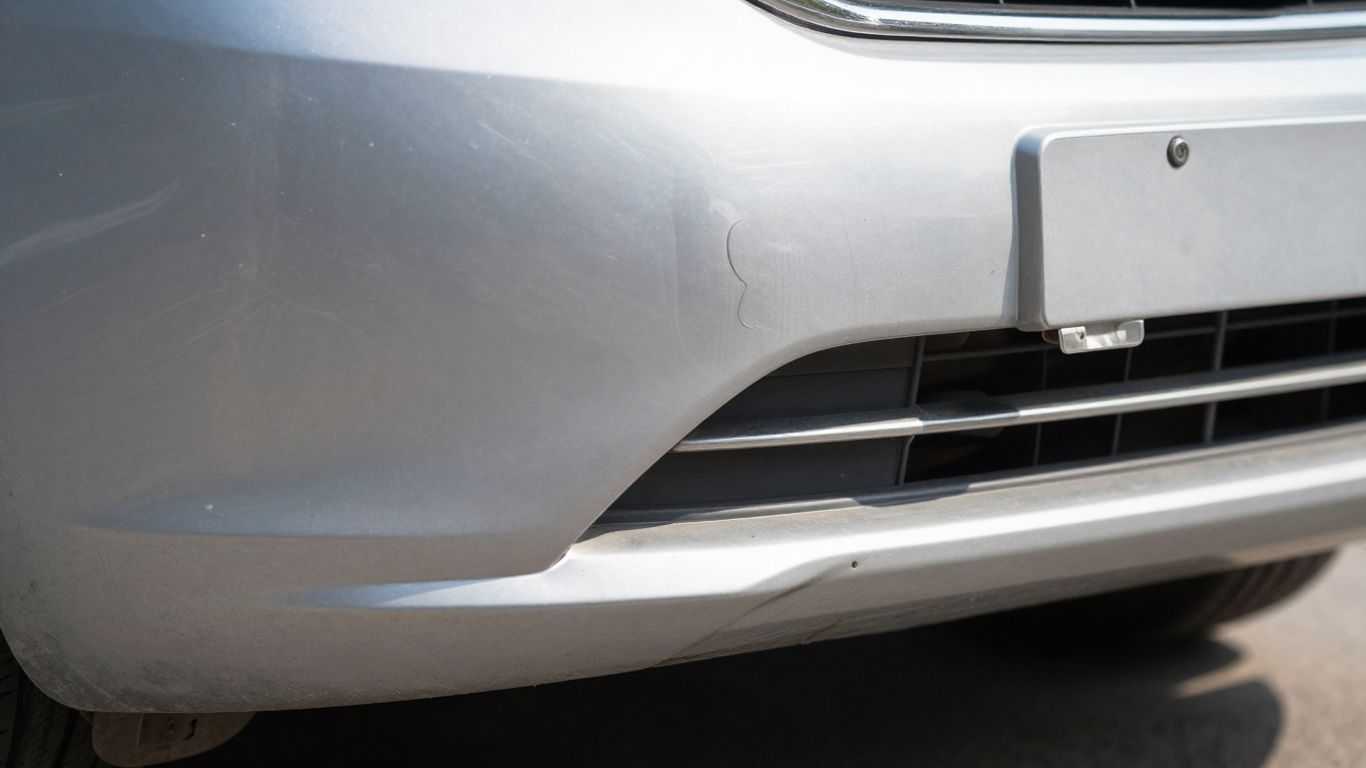
So, your business vehicle got dinged up. Bummer. Physical damage coverage is basically what helps pay to fix or replace your own company vehicles when something happens to them. It’s not about the other guy’s car or their injuries – that’s liability. This part is all about your wheels.
Collision Coverage For Accidents
This is pretty straightforward. If your business vehicle crashes into something – another car, a pole, a wall, you name it – collision coverage helps pay for the repairs. It doesn’t matter if you were at fault or not, though your rates might go up if you were. This coverage is often a must-have if you’re financing or leasing the vehicle, as the lender or leasing company wants their investment protected.
Comprehensive Coverage For Other Perils
Think of comprehensive coverage as the catch-all for damage that isn’t from a collision. Did someone break into your work van and trash the inside? Did a tree fall on it during a storm? Was it stolen? Maybe a deer decided to play chicken with your truck. All those non-accident-related damages, like theft, vandalism, fire, floods, or animal impacts, fall under comprehensive. It’s the protection for when bad luck strikes in ways you don’t see coming.
Coverage For Hired Or Leased Vehicles
Now, what if you rent a truck for a big job or lease a car for a sales rep? Your regular policy might not cover damage to those vehicles. That’s where hired or leased auto physical damage coverage comes in. It extends your collision and comprehensive protection to vehicles you’re using but don’t actually own. This can be a lifesaver, especially if the rental agreement has hefty penalties for damage. It often includes ‘loss of use’ coverage, which can help pay the rental company if you can’t use the vehicle because it’s being repaired.
Sometimes, the cost of repairs for a business vehicle can really add up. Having the right physical damage coverage means you’re not footing the entire bill out of pocket, which can be a huge relief for your business’s cash flow.
Here’s a quick rundown of what these coverages typically handle:
- Collision: Damage from crashes, rollovers, or hitting objects.
- Comprehensive: Damage from theft, fire, vandalism, weather events (like hail or floods), and animal strikes.
- Hired/Leased Auto Physical Damage: Covers damage to vehicles you’re renting or leasing for business use.
It’s important to check the specifics of your policy, like deductibles and coverage limits, to make sure you have the right amount of protection for your business vehicles.
Additional Commercial Auto Coverage Options
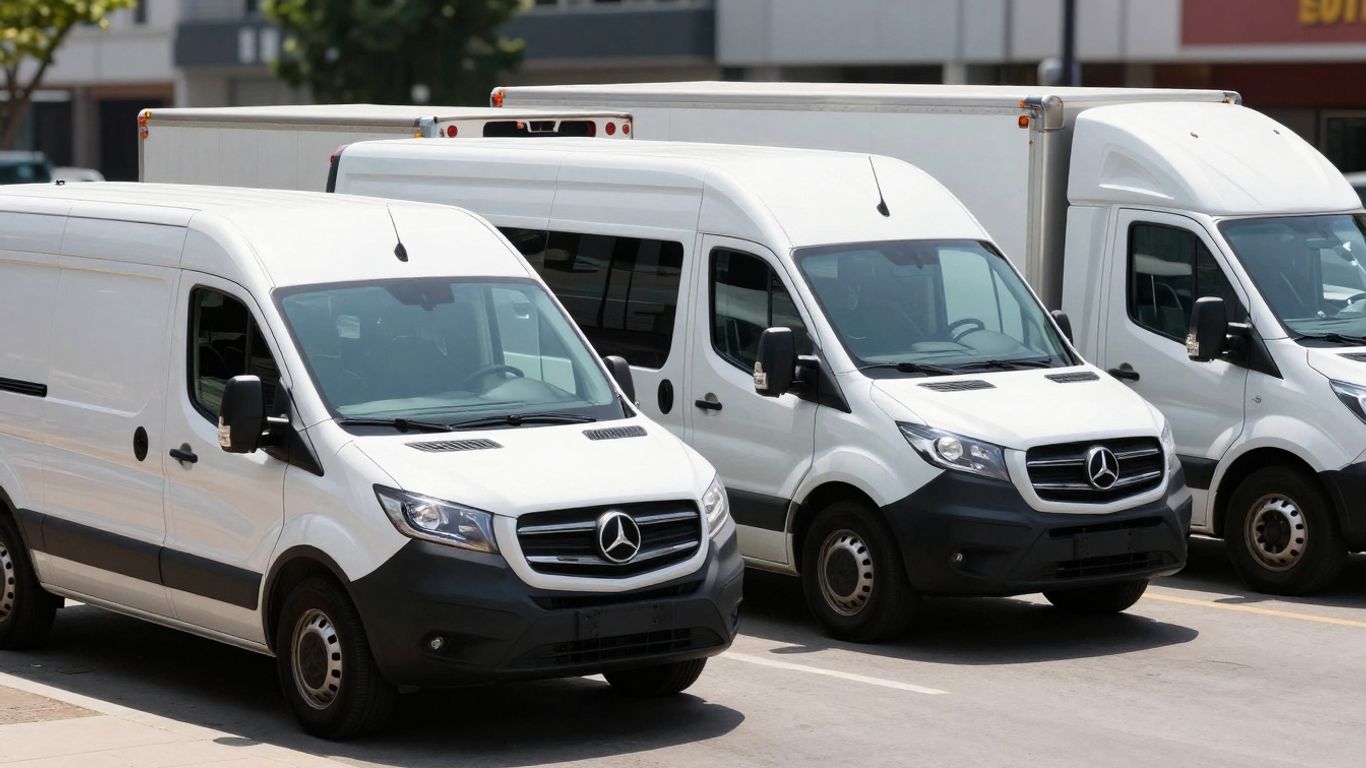
Rental Reimbursement and Roadside Assistance
Beyond the core coverages, you can add extras to your commercial auto policy. Think of rental reimbursement as a way to keep your business moving if your primary vehicle is in the shop after a covered incident. It helps pay for a rental car so you can still make deliveries or meet clients. Roadside assistance is pretty straightforward too – it’s there for those "oops" moments like a dead battery, a flat tire, or if you accidentally lock your keys inside. It’s like having a helpful buddy on call.
New Vehicle Replacement and Auto Loan/Lease Gap Coverage
If your business relies on newer vehicles, these options can be a lifesaver. New Vehicle Replacement coverage means if your car is totaled, you get a brand-new one, not just what the old one was worth. Auto Loan/Lease Gap coverage is similar; it covers the difference between what your vehicle is actually worth and what you still owe on the loan or lease. This is super important because cars depreciate fast, and you don’t want to be stuck paying for a car that’s no longer drivable.
Coverage For Trailers and Other Equipment
Sometimes, your business vehicles aren’t just cars or trucks; they might be pulling trailers or carrying specialized equipment. Standard commercial auto policies might not cover damage to these items. You can often add specific coverage for trailers you own or even for equipment that’s permanently attached to your vehicle. It’s about making sure all the pieces of your business operation are protected.
It’s easy to think your standard policy covers everything, but when you start adding trailers, specialized tools, or even just renting vehicles for temporary needs, the lines can get blurry. Taking a moment to review what’s explicitly excluded or limited in your base policy can save a lot of headaches down the road. Don’t assume; ask your insurance provider about specific scenarios your business might encounter.
Here’s a quick look at what these extras can do:
- Rental Reimbursement: Keeps your business mobile when your vehicle is being repaired.
- Roadside Assistance: Helps with common breakdowns like dead batteries or flat tires.
- New Vehicle Replacement: Gets you a new car if your current one is declared a total loss.
- Gap Coverage: Covers the difference between your car’s value and what you owe on a loan/lease.
- Trailer/Equipment Coverage: Protects non-standard vehicles or attached gear.
Who Needs Commercial Auto Insurance?
So, you’ve got a business, and maybe you’ve got vehicles involved. That’s where commercial auto insurance comes into play. It’s not just for big companies with a whole fleet of trucks, either. If your business uses any kind of vehicle for work, you probably need this coverage. Think about it: personal car insurance is designed for your weekend drives, not for hauling equipment or making deliveries.
Vehicles Used For Business Purposes
If your company owns, leases, or even rents vehicles, you’re likely in the market for commercial auto insurance. This applies whether it’s a car, a van, or a big rig. Even if your employees use their own cars for business tasks, like visiting clients or picking up supplies, you might need coverage. It protects the business if something happens while that vehicle is being used for work-related stuff. It’s really about the use of the vehicle, not just who owns it.
Protecting Employees Who Drive For Work
When your employees are behind the wheel for your business, you want them protected. Commercial auto insurance can help cover medical bills and repair costs if they get into an accident. This is separate from workers’ compensation, which covers injuries that happen at work, not necessarily while driving for work. Having this insurance means you’re not on the hook for everything if an employee gets hurt or causes damage while on company time. It’s a way to look out for your team and your business.
Fleet Size and Vehicle Type Considerations
It doesn’t matter if you have one work van or fifty delivery trucks; commercial auto insurance is designed to fit. The type of vehicle also matters. A small sedan used for sales calls has different risks than a dump truck carrying construction materials. Your policy will be tailored to the specific vehicles your business uses and how they’re used. This means you’re not paying for coverage you don’t need, but you’re also not underinsured when it comes to the risks you face on the road.
The main difference between personal and commercial auto policies boils down to usage and risk. Personal policies are for personal driving, while commercial policies are built for the higher risks associated with business operations, often including higher coverage limits and broader protection.
Here are some examples of businesses that often need commercial auto insurance:
- Contractors (plumbers, electricians, builders)
- Landscapers and lawn care services
- Delivery services (food, packages, etc.)
- Sales representatives who travel frequently
- Companies with company-owned vehicles
- Businesses that allow employees to use personal vehicles for work tasks
- Catering and food truck businesses
- Technology or repair services that require travel to client sites
Wrapping It Up
So, that’s the lowdown on commercial auto insurance. It might seem like a lot to take in, but really, it’s just about making sure your business vehicles are covered when they’re out on the road. Think of it like this: you wouldn’t send your employees out without the right tools for the job, right? Well, this insurance is kind of the same thing for your vehicles. It protects your business from unexpected costs if something goes wrong, like an accident. Knowing the basics, like liability and physical damage coverage, helps you pick the right policy. It’s not super complicated once you break it down, and getting it sorted means you can focus on running your business without worrying too much about what might happen on the road.
Frequently Asked Questions
What’s the main difference between personal and business car insurance?
Think of it this way: personal car insurance is for your car when you use it for everyday stuff, like going to the store or visiting friends. Business car insurance, also called commercial auto insurance, is for vehicles your company uses for work. This could be anything from a delivery van to a car used by an employee for business trips. Business policies usually offer higher coverage limits and more options because business use can be riskier than personal use.
Why is commercial auto insurance so important for my business?
If you or your employees get into an accident while driving a company vehicle for work, commercial auto insurance helps cover the costs. This can include fixing damaged vehicles, paying for medical bills for anyone hurt, and even covering legal fees if there’s a lawsuit. It’s like a safety net for your business on the road, protecting you from unexpected and potentially huge expenses.
What kind of vehicles need commercial auto insurance?
Any vehicle used mainly for business purposes typically needs commercial auto insurance. This isn’t just about big trucks; it includes company cars, vans used for deliveries or services, and even regular cars if they’re used regularly for your business, like driving clients around or transporting equipment. Personal car insurance often won’t cover accidents that happen during business use.
Does my commercial auto policy cover my employees if they drive for work?
Yes, generally a commercial auto policy is designed to cover your employees when they are driving company-owned vehicles for business. It can also sometimes extend to cover employees when they use their own cars for work tasks, though this might require a specific type of coverage called ‘hired and non-owned auto coverage’. It’s important to check your specific policy details.
What if my business rents or leases vehicles?
If your business rents or leases vehicles, you’ll likely want to add ‘hired auto’ coverage to your commercial auto policy. This type of coverage helps protect you if the rented or leased vehicle is damaged or stolen while being used for business. It can cover the costs of repairs or even the value of the vehicle, depending on your policy.
Can I add extra coverage options to my commercial auto policy?
Absolutely! Beyond the main coverages like liability and physical damage, you can often add extra protection. This might include things like roadside assistance for breakdowns, rental reimbursement to help pay for a rental car if yours is being fixed, or new vehicle replacement if your business vehicle is totaled soon after you buy it. These extras can help keep your business running smoothly even when things go wrong.