

So, you’ve been in a car accident, and now you’re dealing with insurance stuff. It can be a real headache, right? Especially when it comes to understanding what your collision coverage actually does and how to file a claim. This article breaks down the whole process, from what collision coverage is all about to what happens when you need to use it. We’ll look at how claims work, what to do if you don’t agree with the insurance company, and how your policy details play a big role. Plus, we’ll touch on how to avoid problems and what to expect when your car needs fixing.
Key Takeaways
- Collision coverage helps pay for damage to your car if it hits another vehicle or object, or if it flips over, regardless of who is at fault.
- The claims process involves reporting the incident, an investigation by an adjuster, and an assessment of your vehicle’s damage and value.
- Disagreements can arise over the value of your car or the repairs needed; understanding your policy and using dispute resolution options are important.
- Your policy’s deductible and coverage limits will affect how much the insurance company pays for your collision claim.
- Accurate documentation and timely reporting are vital when filing a collision claim to avoid potential issues or denials.
Understanding Collision Coverage
Defining Collision Coverage
Collision coverage is a part of your auto insurance policy that helps pay to repair or replace your own vehicle if it’s damaged in a collision with another object or if it overturns. Think of it as protection for your car when you’re the one who caused the damage, or when the damage is a direct result of a crash. This coverage specifically addresses damage from impacts, like hitting a tree, a fence, another car, or even if your car flips over.
It’s important to know that collision coverage is typically optional, unless you have a loan or lease on your vehicle, in which case your lender will likely require it. It’s separate from liability coverage, which pays for damage you cause to other people’s property or for injuries you cause to others.
When Collision Coverage Applies
Collision coverage kicks in when your vehicle sustains damage from a crash. This includes a wide range of scenarios:
- Hitting another vehicle: Whether it’s a fender bender in a parking lot or a more serious accident on the highway, if your car is damaged in the impact, collision coverage can help.
- Colliding with an object: This covers impacts with stationary objects like walls, poles, guardrails, or even animals.
- Vehicle rollover: If your car flips over, the resulting damage is typically covered under collision.
- Damage from debris: If an object falls onto your car, causing damage, this can also fall under collision coverage.
It’s worth noting that collision coverage generally applies regardless of who is at fault for the accident. If you’re found to be at fault, your collision coverage will pay for your car’s repairs (minus your deductible). If the other party is at fault, your insurance company might pay for your repairs and then try to recover the costs from the at-fault party’s insurance through a process called subrogation.
Collision coverage is designed to get your own vehicle back in shape after an accident, focusing on the physical damage to your car from impact or rollover events. It’s a key component for protecting your investment in your vehicle.
Collision Coverage vs. Comprehensive Coverage
It’s easy to get collision and comprehensive coverage mixed up, but they cover different types of damage to your vehicle. Think of them as two distinct safety nets for your car.
- Collision Coverage: As we’ve discussed, this covers damage from actual crashes – hitting another car, a pole, a wall, or rolling your vehicle. It’s about the impact.
- Comprehensive Coverage: This covers damage from events other than collisions. This includes things like:
- Theft
- Vandalism
- Fire
- Falling objects (like tree branches)
- Storm damage (hail, wind)
- Animal collisions (like hitting a deer)
Here’s a quick way to remember the difference:
| Coverage Type | Covers Damage From… |
|---|---|
| Collision | Collisions with other vehicles or objects; rollovers. |
| Comprehensive | Non-collision events like theft, fire, vandalism, weather. |
Many people choose to carry both collision and comprehensive coverage, especially if they have a newer or valuable vehicle, or if they have a loan or lease. It provides a more complete protection package for your car against a wider range of potential incidents.
The Claims Process for Collision Damage
When you’re involved in a car accident that results in damage to your vehicle, understanding how to file a collision claim is pretty important. It’s not always a straightforward process, and knowing what to expect can make things a lot less stressful. Here’s a breakdown of what usually happens.
Initiating a Collision Claim
The first step after a collision is to report the incident to your insurance company. Most policies require you to notify them promptly. You can usually do this by phone, through your insurer’s website, or via a mobile app. Be ready to provide details about the accident, including:
- Date, time, and location of the incident.
- A description of what happened.
- Information about any other vehicles or parties involved.
- Any police report numbers, if applicable.
Prompt reporting is key to a smoother claims process. Delays can sometimes complicate matters, so don’t wait too long to make that call.
Investigation and Verification
Once your claim is filed, the insurance company will assign an adjuster to your case. This person is your main point of contact. Their job is to look into the details of the accident to figure out what happened and confirm that your policy covers the damage. This might involve:
- Reviewing the information you provided.
- Contacting other parties involved or witnesses.
- Obtaining a police report.
- Asking you for more details or documentation.
The insurer needs to verify that the damage is consistent with the described event and that your policy is active and provides the necessary coverage. This verification step helps prevent fraudulent claims and ensures that the policy terms are being met.
Damage Assessment and Valuation
After the investigation, the adjuster will assess the damage to your vehicle. This usually involves:
- Inspection: The adjuster will either inspect the vehicle themselves or ask you to take it to an approved repair shop or inspection center.
- Estimating Repairs: A detailed estimate of the repair costs will be created. This includes parts, labor, and any other necessary expenses.
- Valuation: If the damage is extensive, the insurer will determine if the vehicle is a total loss or if it can be repaired. If it’s repairable, they’ll use the estimate to figure out the payout. If it’s a total loss, they’ll determine the vehicle’s actual cash value (ACV) before the accident, minus your deductible.
Navigating Collision Claim Disputes
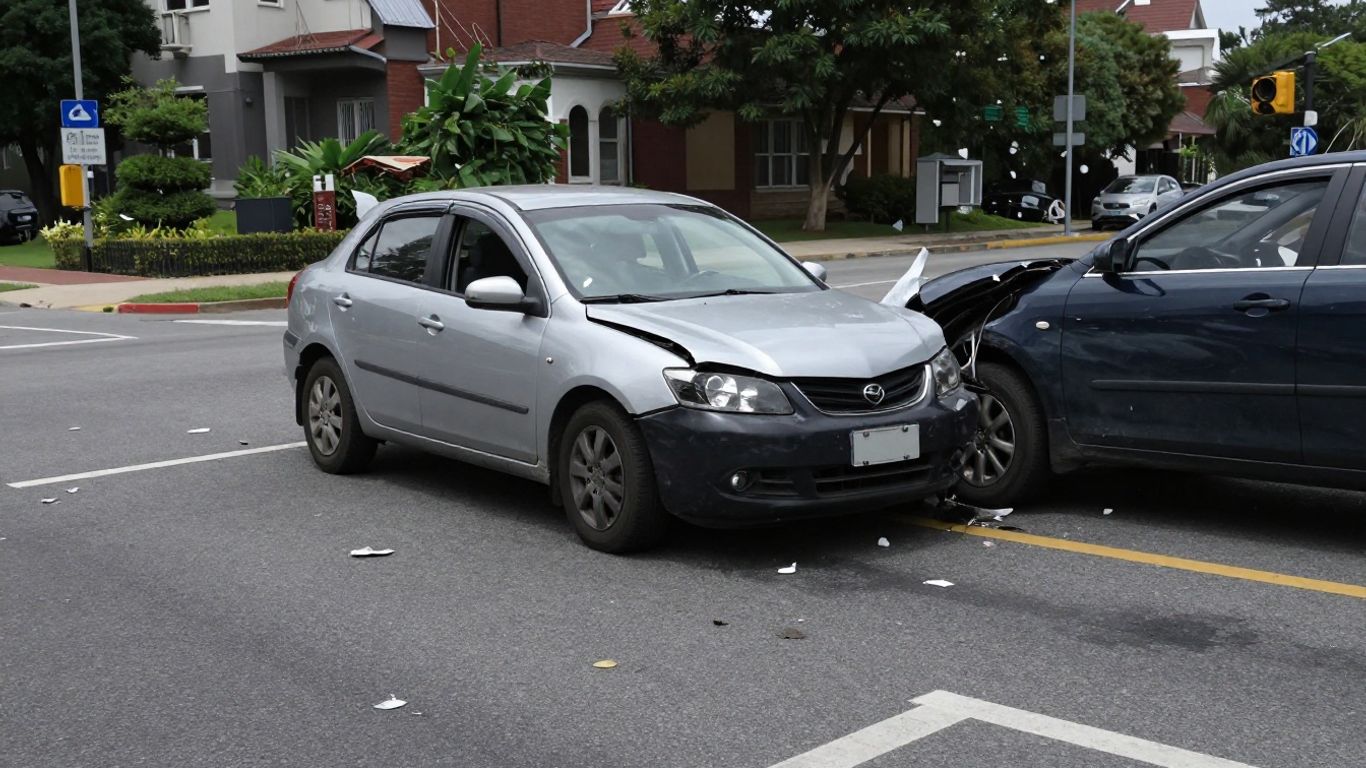
Common Reasons for Collision Claim Disputes
Sometimes, even with collision coverage, you might find yourself disagreeing with your insurance company about a claim. It’s not uncommon, and understanding why it happens can help you deal with it.
- Valuation Disagreements: This is probably the most frequent issue. Your insurer might offer a settlement amount for your damaged vehicle that you feel is too low. They might base their offer on a generic market value, while you know your car was in better condition or had specific upgrades that increase its worth.
- Coverage Denials: Occasionally, an insurer might deny a claim altogether, stating the damage isn’t covered by your policy. This could be due to a misunderstanding of the policy terms, an exclusion you weren’t aware of, or a dispute over whether the damage actually resulted from a collision.
- Repair Scope and Cost: Even if the claim is accepted, there can be arguments about how much it should cost to fix the car. The insurer’s estimate might not include all necessary repairs, or they might approve repairs at a shop that uses lower-quality parts or labor than you expect.
It’s important to remember that your insurance policy is a contract. While insurers have their processes, you also have rights as a policyholder. Keeping clear records and understanding your policy are your best tools when disagreements arise.
Resolving Valuation Disagreements
When you and your insurer can’t agree on the value of your damaged vehicle, there are steps you can take. It’s usually best to try and work it out directly first.
- Gather Your Evidence: Collect documentation that supports your car’s value. This could include recent repair bills, records of upgrades or custom parts, advertisements for similar vehicles in your area, and appraisals from independent mechanics.
- Negotiate with the Adjuster: Present your evidence clearly and calmly. Ask the adjuster to explain how they arrived at their valuation and see if there’s room for adjustment based on the information you’ve provided.
- Consider the Appraisal Clause: Many collision policies include an appraisal clause. If negotiations fail, this clause allows you and the insurer to each select an independent appraiser. These two appraisers then select a third, neutral umpire. The decision of the appraisers (or the umpire and one appraiser) is typically binding and determines the vehicle’s value.
The Role of Policy Language in Disputes
Your insurance policy document is the ultimate guide in any dispute. It outlines what is covered, what isn’t, and the procedures for handling claims. When disagreements occur, both you and the insurer will refer back to this document.
- Definitions Matter: Pay close attention to how terms like "collision," "actual cash value," and "betterment" are defined. A slight difference in definition can significantly impact a claim’s outcome.
- Exclusions and Limitations: Insurers will often point to specific exclusions or limitations in the policy to justify their position. It’s your job to understand if these exclusions truly apply to your situation.
- Conditions and Requirements: Policies have conditions you must meet, such as reporting the loss promptly or cooperating with the investigation. Failing to meet these can sometimes be used to dispute a claim.
Understanding your policy’s specific wording is key. If you find the language confusing, don’t hesitate to ask your insurance agent or company for a clear explanation before a dispute even arises.
Collision Coverage and Policy Provisions
When you have collision coverage, it’s important to know how your insurance policy actually works. It’s not just a blanket promise to fix your car after any bump. The policy document itself lays out the specific rules, limits, and what you’ll have to pay out of pocket. Think of it as the instruction manual for your coverage.
Deductibles and Their Impact
A deductible is the amount of money you agree to pay before your insurance company starts covering the rest of the repair costs after a collision. It’s a key part of your policy that directly affects your premium and what you pay when you file a claim. Choosing a higher deductible usually means a lower monthly premium, but it also means you’ll be responsible for a larger chunk of the repair bill if you have an accident. Conversely, a lower deductible means a higher premium but less out-of-pocket expense when you need to make a claim.
Here’s a quick look at how deductibles can affect your out-of-pocket costs:
| Deductible Amount | Your Out-of-Pocket Cost (for a $3,000 repair) |
|---|---|
| $250 | $250 |
| $500 | $500 |
| $1,000 | $1,000 |
The deductible is a risk-sharing mechanism. It helps keep insurance premiums lower for everyone by discouraging small, frequent claims and ensuring policyholders have some ‘skin in the game’ when an incident occurs.
Coverage Limits for Collision
Collision coverage isn’t unlimited. Your policy will have a limit, which is typically the actual cash value (ACV) of your vehicle at the time of the loss. This means if your car is totaled, the insurance company will pay up to what your car was worth just before the accident, minus your deductible. It won’t necessarily cover the cost of a brand-new car, even if your car is only a few years old. Factors like depreciation, mileage, and overall condition play a big role in determining the ACV.
Understanding Policy Exclusions
Just as important as knowing what’s covered is understanding what’s not covered. Policies have exclusions, which are specific situations or types of damage that your collision coverage won’t pay for. Common exclusions might include:
- Damage from normal wear and tear or mechanical breakdown.
- Damage from using your vehicle in a race or for speed contests.
- Damage from using your vehicle for commercial purposes if it’s a personal policy.
- Damage from war, vandalism, or acts of God (these might be covered under other types of insurance).
- Damage to custom equipment or modifications not declared to the insurer.
It’s really important to read through these exclusions carefully. What seems like a straightforward collision claim could be denied if the damage falls under an exclusion in your policy.
The Role of Adjusters in Collision Claims
When you file a collision claim, an insurance adjuster is usually the first professional you’ll interact with from the insurance company’s side. They’re basically the investigators and evaluators of your claim. Their job is to figure out what happened, if your policy covers it, and how much the damage is worth. It’s a pretty important role because their assessment directly impacts how your claim is handled and what you might receive.
Investigating Collision Incidents
The adjuster’s first big task is to get the full story of the accident. This means they’ll talk to you, and potentially other drivers or witnesses involved. They’ll also look at official reports, like police reports, if one was filed. Gathering all this information helps them understand the circumstances of the crash and determine who might be at fault. It’s not just about the collision itself, but also about making sure the claim aligns with the details you provided and the policy terms.
- Reviewing police reports and accident scene photos.
- Interviewing the policyholder and any involved parties.
- Collecting witness statements to corroborate details.
- Analyzing damage to vehicles to understand the impact forces.
Assessing Repair Costs
Once the adjuster has a good grasp of the incident, they move on to the damage. They’ll need to figure out how much it will cost to fix your car. Sometimes, they’ll inspect the vehicle themselves, or they might ask you to get estimates from repair shops. They compare these estimates to industry standards and their own knowledge of repair costs. Their goal is to determine a fair amount for repairs based on the damage sustained.
| Repair Item | Estimated Cost | Actual Cost (if known) |
|---|---|---|
| Front Bumper | $750 | $720 |
| Headlights (Pair) | $400 | $415 |
| Hood Repair | $600 | $580 |
| Paint & Labor | $1,200 | $1,150 |
Determining Liability and Fault
This is a big one. The adjuster has to figure out who is responsible for the accident. This isn’t always straightforward, and sometimes fault can be shared. Their findings on liability are critical because they dictate which insurance company pays for the damages. If you’re found not at fault, the other party’s insurance company would typically cover your repair costs. If you are at fault, your collision coverage would apply, minus your deductible.
The adjuster’s assessment of fault is a key component in the claims process. It influences not only who pays for the damages but also potential impacts on future premiums. They must carefully consider all evidence to make an informed determination that aligns with traffic laws and insurance regulations.
Factors Influencing Collision Claims
When you file a collision claim, a few things really shape how it all plays out. It’s not just about the crash itself; other elements come into play that can affect the outcome, from how quickly you report it to the condition of your car before the accident.
Severity of the Collision
The actual impact of the crash is a big one, naturally. A minor fender-bender where only the bumper is scratched is a whole different ballgame compared to a high-speed impact that crumples the car’s frame. The more severe the damage, the more complex the claim usually becomes. This means more time for investigation, potentially higher repair costs, and a greater chance of the vehicle being declared a total loss.
Vehicle Age and Condition
Your car’s age and its condition before the accident matter too. An older car, even with minor damage, might be closer to being considered a total loss because its pre-accident market value is lower. Insurers look at the car’s overall wear and tear. If a car already had significant rust or pre-existing damage, it can complicate assessing what damage was caused solely by the collision.
Reporting Timeliness
How quickly you let your insurance company know about the accident is pretty important. Most policies have a clause about reporting claims promptly. Delaying too long can sometimes make it harder for the insurer to investigate properly, and in some cases, it could even affect your coverage. Think of it like this:
- Initial Report: Contact your insurer as soon as possible after the accident.
- Information Gathering: Be ready to provide details about the incident, location, and other parties involved.
- Documentation: Submit any police reports or photos you might have taken.
Prompt reporting helps the claims process move along smoothly and ensures the insurer has the best chance to verify the details while everything is still fresh.
These factors combined help determine how your collision claim will be handled, from the initial assessment to the final settlement.
Collision Coverage and Financial Responsibility
Collision coverage is a key part of your auto insurance policy, and it plays a big role in how you handle the financial side of things after an accident. It’s basically there to help you pay for repairs to your own car if it gets damaged in a crash with another vehicle or if it rolls over. This coverage is separate from liability insurance, which covers damage you might cause to others.
Indemnification for Vehicle Damage
When you have collision coverage, your insurance company agrees to indemnify you, meaning they’ll compensate you for the covered damage to your vehicle. This doesn’t mean they’ll just hand over a blank check, though. They’ll assess the damage and pay up to the actual cash value (ACV) of your car, minus your deductible. The ACV is what your car was worth right before the accident, taking into account its age, mileage, and overall condition. So, if your car is older and has a lot of miles, the payout might not be enough to buy a brand-new replacement, but it should help you get back on the road with a repaired or comparable vehicle.
The Purpose of Collision Coverage
The main goal of collision coverage is to provide financial protection against the costs associated with repairing or replacing your vehicle after a collision. It’s designed to give you peace of mind, knowing that you won’t be solely responsible for potentially high repair bills. Think of it as a safety net for your car. Without it, a significant accident could lead to substantial out-of-pocket expenses, making it difficult to afford necessary repairs or even a new vehicle.
Balancing Premiums and Coverage Needs
Deciding how much collision coverage you need involves a bit of a balancing act. Your premiums – the amount you pay for insurance – are influenced by the level of coverage you choose. More coverage generally means higher premiums. You’ll also have a deductible, which is the amount you pay before your insurance kicks in. A higher deductible usually leads to lower premiums, but it means you’ll pay more out-of-pocket if you have a claim. It’s important to consider:
- Your vehicle’s value: If your car is older and worth less, you might decide that the cost of collision coverage outweighs the potential payout. Some people choose to drop collision coverage on older, lower-value cars.
- Your financial situation: Can you afford to pay for significant repairs out-of-pocket if you didn’t have collision coverage? Your ability to absorb such costs will influence your decision.
- Your risk tolerance: How comfortable are you with the possibility of facing a large repair bill after an accident?
Ultimately, collision coverage is about managing financial risk. It’s a tool that helps you prepare for the unexpected costs that can arise from vehicle damage, allowing you to make informed decisions about your insurance policy based on your personal circumstances and financial goals.
Preventing Fraud in Collision Claims
Insurance fraud is a serious issue that affects everyone. When people try to cheat the system, it drives up costs for all policyholders. In the context of collision claims, fraud can take many forms, from exaggerating damage to outright staging accidents. Insurers have developed several strategies to combat this, aiming to keep premiums fair for honest customers.
Identifying Suspicious Collision Reports
Not all claims are straightforward. Insurers look for certain red flags that might indicate a fraudulent report. These aren’t automatic accusations, but they do trigger a closer look.
- Inconsistent Details: Stories that don’t quite add up or change when retold.
- Timing of the Report: Claims filed unusually long after the alleged incident, or right before a policy change.
- Multiple Recent Claims: A pattern of frequent claims, especially if they involve different vehicles or circumstances.
- Lack of Witnesses or Evidence: When there’s no one else around or any physical proof to back up a significant claim.
- Unusual Accident Scenarios: Accidents that seem physically improbable or staged.
The Importance of Accurate Documentation
Proper paperwork is key to a smooth claims process and also a big help in spotting fraud. When you file a claim, providing clear and honest documentation helps the insurer verify what happened.
- Police Reports: Official documentation of the incident, including details about the scene and parties involved.
- Photographs/Videos: Visual evidence of the damage to all vehicles and the accident scene itself.
- Repair Estimates: Detailed breakdowns of the costs to fix the vehicle.
- Witness Statements: Accounts from anyone who saw the collision occur.
Accurate and complete documentation is your best defense against potential accusations of fraud and helps ensure your legitimate claim is processed efficiently.
Consequences of Fraudulent Claims
Trying to commit insurance fraud isn’t just unethical; it has real consequences. It’s a criminal offense that can lead to significant penalties.
- Criminal Charges: This can include fines and even jail time, depending on the severity.
- Denial of Claim: The fraudulent claim will almost certainly be denied, meaning you won’t get any payout.
- Policy Cancellation: Your insurance policy could be canceled, making it harder and more expensive to get coverage in the future.
- Difficulty Getting Future Insurance: A record of fraud can make other insurers hesitant to offer you a policy.
Insurance fraud is a crime that costs billions each year. It’s not a victimless act; it impacts the financial stability of insurance companies and ultimately leads to higher costs for everyone who buys insurance. Being honest and providing truthful information is not only the right thing to do but also the smartest way to handle any insurance claim.
Collision Coverage and Legal Standards
Interpreting Policy Language
When you file a collision claim, the insurance policy you have is the main document that guides everything. It’s a contract, and like any contract, its words matter. Insurance companies have to follow specific rules when they figure out what your policy covers and what it doesn’t. Courts generally look at insurance policies as contracts and interpret them using established legal ideas. If there’s a part of the policy that’s unclear or could be understood in more than one way, it’s often interpreted in favor of the person who bought the insurance – that’s you. This is why it’s so important for insurance companies to write their policies clearly and for you to read yours carefully. Understanding terms like "collision," "peril," and specific exclusions is key to knowing your rights and what to expect.
Regulatory Oversight of Claims
Insurance isn’t just a private business; it’s overseen by government bodies, mostly at the state level in the U.S. These departments of insurance make sure insurance companies play fair. They set rules for how claims should be handled, including how quickly they need to respond, what information they can ask for, and how they should communicate with you. They also have rules about things like licensing for adjusters and making sure the company has enough money to pay claims. If an insurance company doesn’t follow these rules, they can face penalties. This oversight is there to protect you, the policyholder, and to keep the insurance system stable.
Good Faith in Claims Handling
Beyond the specific words in your policy and the state regulations, there’s a general principle that insurance companies must act in "good faith." This means they can’t just deny your claim or drag their feet without a good reason. They have to investigate your claim honestly, communicate with you openly, and make a decision within a reasonable amount of time. Acting in bad faith could mean they didn’t properly investigate, they ignored evidence that supported your claim, or they tried to trick you into accepting less than you were owed. If an insurer is found to have acted in bad faith, they could be responsible for more than just the cost of the repairs; they might have to pay additional damages.
Collision Coverage and Vehicle Repair
When your car is damaged in a collision, the repair process is the next big step. Collision coverage is designed to help with these costs, but understanding how it works with repairs is key. It’s not just about getting a new bumper; it’s about getting your vehicle back to its pre-accident condition as much as possible.
Estimating Repair Expenses
After a collision, the first thing that happens is an estimate of the damage. This is usually done by an insurance adjuster or a body shop estimator. They’ll look at everything that was damaged – the dents, the broken parts, the paint – and figure out how much it’s going to cost to fix. This estimate is a really important document because it forms the basis for how much the insurance company will pay.
Here’s a general idea of what goes into an estimate:
- Labor Costs: This covers the time mechanics and technicians spend working on your car. It includes things like disassembly, repair, reassembly, and painting.
- Parts Costs: This is the price of the actual replacement parts needed, whether they are original manufacturer parts (OEM) or aftermarket.
- Paint and Materials: The cost of paint, primer, clear coat, and other materials used in the refinishing process.
- Ancillary Costs: Sometimes, there are other costs like alignment checks, diagnostic scans, or disposal fees for old parts.
The Appraisal Process
Sometimes, the initial estimate might not be the final word. If there’s a disagreement between you and the insurance company about the cost of repairs, or if more damage is found once the car is taken apart, an appraisal process might kick in. This is often outlined in your policy. It’s a way to get an independent assessment of the damage and repair costs.
This process usually involves:
- Each Party Selects an Appraiser: You and the insurance company each choose a qualified professional to assess the damage.
- Appraisers Agree or Disagree: The appraisers try to reach an agreement on the repair costs. If they can’t agree, they might bring in a third person.
- Umpire Involvement: If the two appraisers are stuck, they’ll select an umpire. The umpire reviews both assessments and makes a final decision, which is usually binding.
This structured approach helps ensure that the repair costs are fair and based on actual damage, preventing unnecessary expenses for either party.
Total Loss Determinations
Not every damaged car can be economically repaired. If the cost to fix the vehicle after a collision is close to or exceeds its actual cash value (ACV) before the accident, the insurance company might declare it a
Wrapping Up Collision and Physical Damage
So, we’ve gone over what collision and physical damage coverage actually do for you. It’s not always the most exciting topic, but knowing the difference can save you a lot of headaches when you actually need to file a claim. Remember, your policy details matter, and understanding how your insurer handles these types of claims is key. Don’t hesitate to ask questions before you need them, because when something happens to your car, you want to be prepared and know what to expect. It’s all about making sure you’re covered when you need it most.
Frequently Asked Questions
What exactly is collision coverage?
Collision coverage is like a safety net for your car. It helps pay for repairs to your own vehicle if it gets damaged in a crash with another car or object, like a fence or a tree. It doesn’t matter who caused the accident; if your car is damaged from a collision, this coverage can help.
When does my collision coverage kick in?
Your collision coverage usually applies when your car hits another vehicle or runs into something solid, such as a wall, pole, or even a pothole that causes damage. It’s specifically for damage that happens because of a crash.
How is collision coverage different from comprehensive coverage?
Think of it this way: collision coverage is for crashes, while comprehensive coverage is for other types of damage. Comprehensive covers things like theft, vandalism, fire, or hitting an animal. So, if your car is damaged in a wreck, you’d use collision. If it’s stolen or damaged by a falling tree, you’d use comprehensive.
What’s the first step when I need to make a collision claim?
The very first thing you should do is contact your insurance company as soon as possible after the accident. They’ll guide you through the process, which usually involves filling out some forms and giving them details about what happened. It’s important to report it quickly so they can start the investigation.
How does the insurance company figure out how much to pay for my car’s damage?
After you file a claim, an insurance adjuster will look at the damage to your car. They’ll figure out if it can be fixed and how much those repairs will cost. If the car is too damaged to fix, they’ll determine its value before the accident to decide if it’s a ‘total loss’.
What is a deductible, and how does it affect my claim?
A deductible is the amount of money you agree to pay out-of-pocket before your insurance coverage starts paying for a claim. For example, if you have a $500 deductible and your car repairs cost $2,000, you’d pay the first $500, and your insurance would cover the remaining $1,500.
What happens if my insurance company and I disagree on the repair cost?
If you and your insurer don’t agree on how much the repairs should cost, your policy might have a process called ‘appraisal.’ This usually involves you and the insurance company each getting your own expert to estimate the damage, and then those experts work together to reach a final cost. Sometimes, a neutral third person might help decide.
Can collision coverage pay for damage if I hit a deer?
Generally, no. Hitting a deer is usually covered under comprehensive coverage, not collision. Collision coverage is specifically for accidents involving another vehicle or an object like a building, fence, or pole. Always check your specific policy details to be sure.