

So, you’ve got a classic car, huh? That’s pretty cool. These old beauties are more than just cars; they’re like rolling history. But owning one comes with a bit of extra responsibility, especially when it comes to keeping it safe. Standard car insurance might not cut it for your vintage ride. That’s where classic car insurance comes in. It’s a special kind of coverage designed just for these unique vehicles. Let’s break down what classic car insurance is all about, how it works, and why you might need it for your own four-wheeled treasure.
Key Takeaways
- Classic car insurance is specifically for vintage, antique, or collector vehicles, not for daily driving.
- It often uses an ‘agreed value’ policy, meaning you and the insurer decide the car’s worth beforehand.
- Expect mileage limits and restrictions on how you can use the car, usually for pleasure or shows.
- Premiums can be lower than standard insurance because these cars are driven less and often stored securely.
- This type of insurance covers unique needs like specialized repairs, hard-to-find parts, and careful towing.
Understanding Classic Car Insurance
What Constitutes A Classic Car?
So, what exactly makes a car a ‘classic’? It’s not just about being old. Generally, a vehicle needs to be at least 20 years old, though some insurers might consider cars a bit younger if they have significant collector appeal. The key is that the car is maintained or restored to be pretty close to its original factory condition. We’re talking about vehicles that are more than just transportation; they’re rolling pieces of history, often appreciating in value over time. Think vintage models, muscle cars from the 60s and 70s, or even rare European sports cars. It’s about the special interest and the condition they’re kept in.
The Purpose Of Classic Car Insurance
Classic car insurance is a specialized type of coverage designed specifically for these unique vehicles. Unlike standard auto insurance, which is built for daily drivers, classic policies recognize that these cars are driven less often and are usually cared for with a lot more attention. The main goal is to protect your investment and your passion. It covers things standard policies might overlook, like the cost of rare parts or specialized repairs needed to keep your car looking and running like it did when it first rolled off the assembly line. It’s about safeguarding both the sentimental and monetary value of your prized possession.
Classic Car Insurance Versus Standard Auto Insurance
There are some pretty big differences between classic car insurance and the regular kind you might have on your everyday car. For starters, how the car’s value is determined is different. Standard insurance usually pays out the ‘actual cash value’ (ACV) of your car, meaning it factors in depreciation. If your car is totaled, you get what it was worth right before the accident, minus wear and tear. Classic car insurance, on the other hand, typically uses an ‘agreed value’ policy. This means you and the insurance company agree on the car’s worth before any incidents happen. If the worst occurs, you get that full agreed-upon amount, no depreciation deductions. This is a huge plus for owners of valuable classics.
Here’s a quick rundown:
- Valuation: Standard uses Actual Cash Value (ACV), classic uses Agreed Value.
- Usage: Standard is for daily driving, classic is for pleasure, shows, and limited mileage.
- Coverage: Classic policies often include specialized protections for parts, restoration, and events.
- Premiums: Classic insurance can often be more affordable because the cars are driven less and stored more carefully.
Standard auto insurance policies are designed for the wear and tear of daily driving. They don’t typically account for the unique value, limited use, and specialized maintenance requirements of classic automobiles. This is where classic car insurance steps in, offering tailored protection that standard policies simply can’t match for these special vehicles.
How Classic Car Insurance Operates
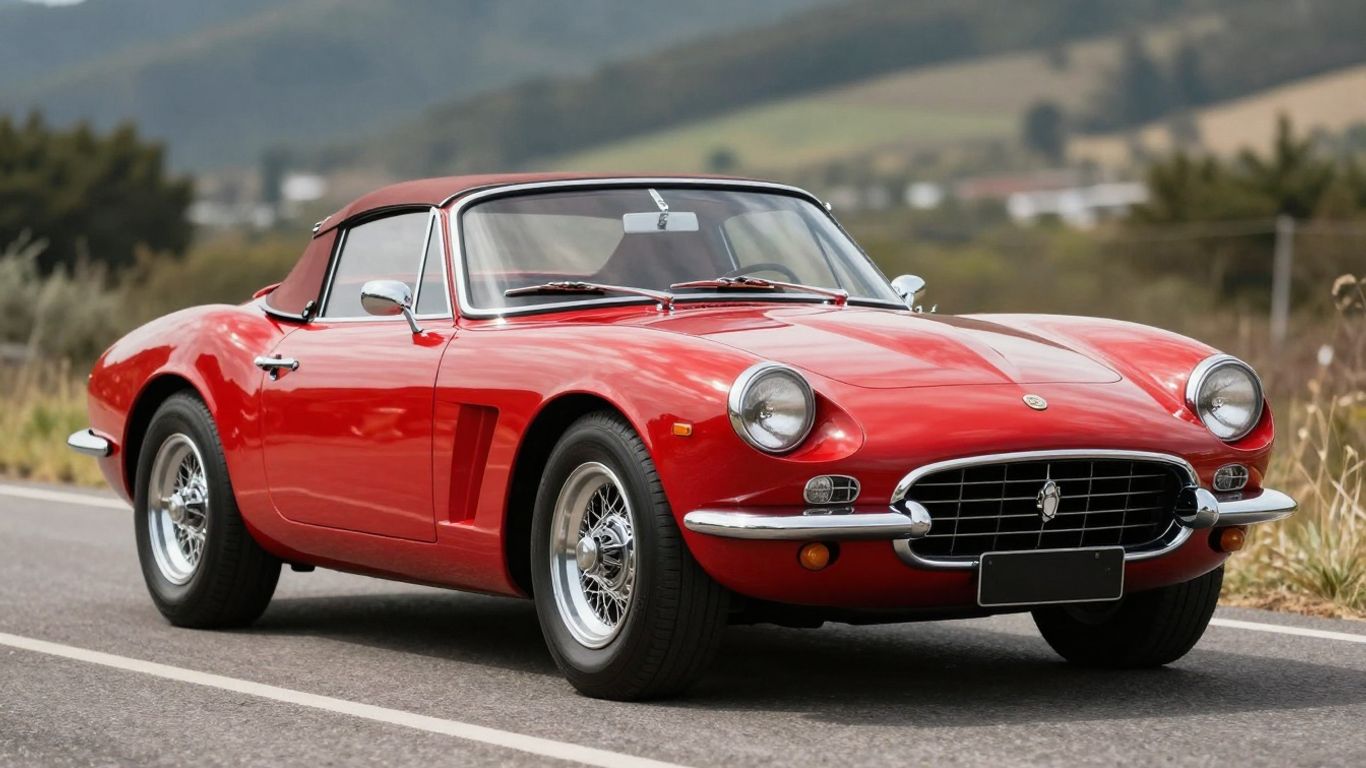
Getting classic car insurance isn’t quite like signing up for a regular car policy. Insurers have specific rules you need to follow to qualify for this special coverage. It’s all about making sure your unique vehicle gets the right kind of protection.
Eligibility Requirements For Classic Car Insurance
To get classic car insurance, your vehicle usually needs to meet a few basic criteria. Most companies look for cars that are at least 20 to 25 years old. Some might be a bit flexible if your car is younger but has a special collector’s appeal. Beyond age, the car’s condition matters. Insurers often prefer vehicles that are kept close to their original factory look and feel. Big changes or custom jobs might affect whether you can get coverage or what kind you can get. They also want to know how you’ll use the car. These policies are generally for cars driven only occasionally, for fun or to car shows, not for your daily commute. You’ll likely have a limit on how many miles you can drive each year, often somewhere between 5,000 and 10,000 miles. Your driving history is important too; a clean record with few tickets usually helps. Many insurers also want to see that you have another car for everyday driving, so your classic isn’t your only ride. Lastly, how you store the car is a big deal. Keeping it in a secure place, like a locked garage, is often a requirement because it reduces the risk of theft or damage.
The Agreed Value Policy Explained
This is a big one. Unlike standard insurance that might pay out what your car is worth at the time of a claim (which can go down over time), classic car insurance usually works on an "agreed value" basis. This means you and the insurance company sit down and decide together on a specific dollar amount that represents your car’s worth. This agreed-upon amount is what you’ll get if the car is totaled, no questions asked, and without depreciation. It’s a much more straightforward way to ensure your investment is protected.
Usage And Mileage Restrictions
Because classic cars aren’t typically driven every day, insurance policies reflect this. You’ll usually find limits on how much you can drive your classic car annually. This isn’t meant to be a hassle; it’s how insurers keep premiums lower and ensure the car is treated as a collectible rather than a daily driver. These restrictions often mean your car is covered for:
- Pleasure driving on weekends or nice days.
- Attending car shows, club events, or parades.
- Occasional trips to a mechanic for specialized service.
It’s important to be honest about your intended usage. If you plan on driving your classic more than the policy allows, you might not be covered properly if something happens.
Key Benefits Of Classic Car Insurance
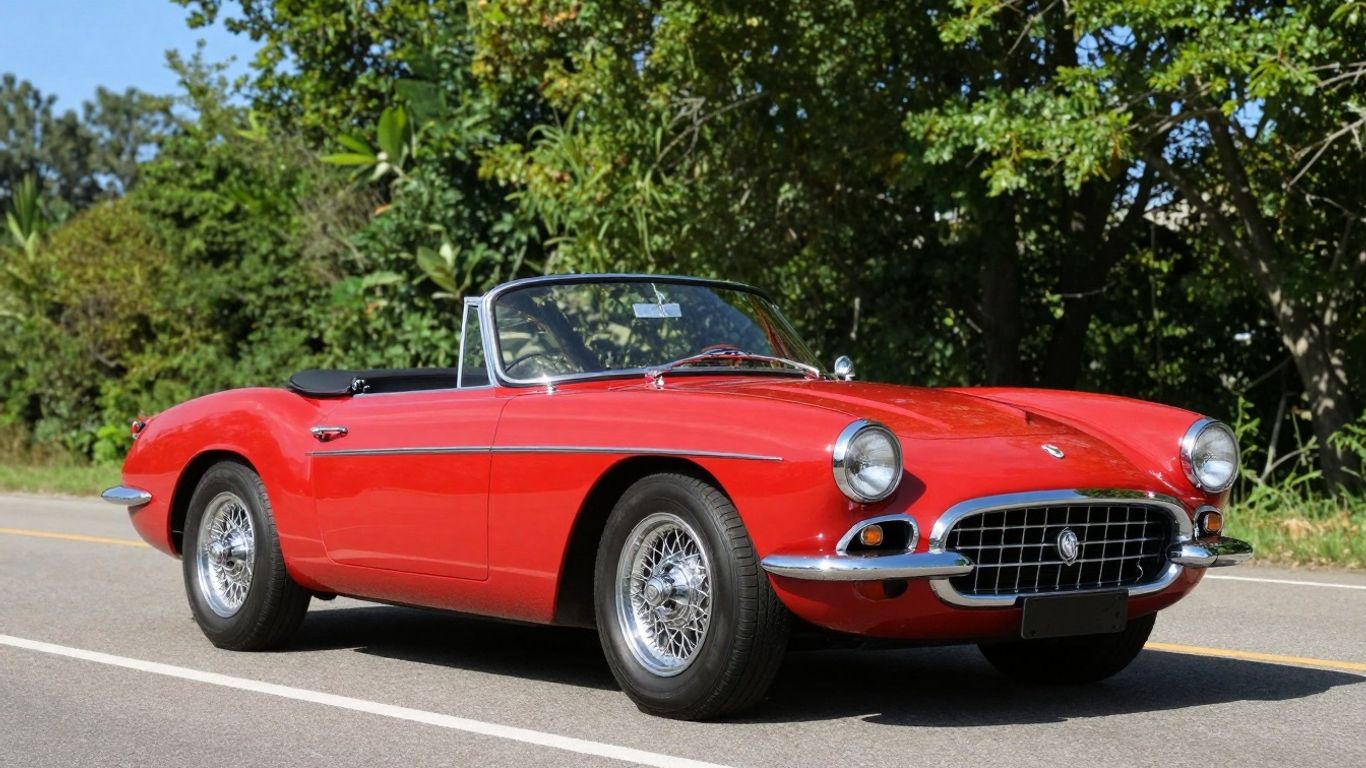
Agreed Value Coverage For Your Prized Possession
This is a big one. Unlike regular car insurance that often pays out based on the car’s current market value (which can go down over time), classic car insurance usually works on an "agreed value" basis. This means you and the insurance company decide on a specific value for your car before any issues arise. If your classic is totaled or stolen, you get that pre-agreed amount, no arguments about depreciation. It’s a much fairer system for vehicles that tend to hold their value or even increase over time.
Specialized Repairs And Parts Coverage
Finding parts for older cars can be a real headache. Standard policies might not cover the cost of rare or specialized parts needed for repairs. Classic car insurance often includes provisions for these hard-to-find components and can cover repairs done by mechanics who really know their way around vintage vehicles. This helps keep your car authentic and in top shape without breaking the bank on obscure parts.
Flexible Usage And Storage Options
Most classic cars aren’t driven every day. They’re often taken out for weekend drives, car shows, or special events. Classic car insurance policies understand this. They usually come with more relaxed usage rules compared to daily driver policies. Plus, they often have specific provisions for how and where you store your car, recognizing that you’re likely keeping it in a secure garage or a dedicated storage facility, which is a good thing for the car’s longevity.
Factors Influencing Premiums
So, you’ve got a sweet classic car, and you’re looking into insurance. You might be wondering what makes the price go up or down. It’s not just a random number; a few things really play a part in how much you’ll pay.
Vehicle Valuation and Condition
First off, how much is your car actually worth? This is a big one. Insurers look at the make, model, year, and how rare it is. A 1965 Shelby GT350 is going to cost more to insure than a common sedan from the same era, simply because it’s worth more and parts can be harder to find. The condition is also super important. Is it a show car in pristine shape, or does it need a little work? A car in top-notch, show-ready condition will generally have a higher premium than one that’s a daily driver needing some TLC. Insurers often use appraisal reports or valuation guides to get a solid number. It’s not just about what you think it’s worth, but what a professional appraiser or the market says it’s worth.
Storage and Security Measures
Where you keep your classic when you’re not cruising around matters a lot. If your car is tucked away in a secure, locked garage or a dedicated storage facility, that’s a big plus for the insurance company. It means less chance of it getting stolen, vandalized, or damaged by the weather. Think about it: a car sitting out on the street all the time is a much bigger risk than one in a private garage. Some insurers might even give you a discount if you have extra security measures like an alarm system or a GPS tracker installed. It shows you’re serious about protecting your investment.
Usage Patterns and Mileage Limits
Classic car insurance isn’t usually for your everyday commute. Most policies are designed for cars that are driven only occasionally, like for weekend joyrides, car shows, or special events. Because you’re not putting a ton of miles on it, the risk of an accident goes down. Insurers often set a yearly mileage limit, maybe something like 5,000 or 7,500 miles. If you go over that, you might have issues with a claim, or your premium could change. It’s really important to be honest about how you plan to use the car so you have the right coverage.
The way you store your classic, how much you drive it, and its actual condition and value all tie into the insurance cost. It’s a balancing act, and being upfront with your insurer about these details helps ensure you get the right policy at a fair price.
Who Needs Classic Car Insurance?
So, you’ve got a classic car. Maybe it’s a gleaming muscle car from the 70s, a sophisticated antique from the 30s, or a quirky import that’s now considered a modern classic. The big question is, who actually needs this specialized insurance? It’s not just for the super-rich collectors, though they certainly benefit. If your vehicle fits the bill for a classic, chances are you’ll want to look into this type of coverage.
Owners Of Vintage And Antique Vehicles
If you’re the proud owner of a car that’s seen a few decades, this is probably you. We’re talking about vehicles that are generally 20 years or older, and importantly, are maintained or restored to a condition that’s close to how they left the factory. These aren’t your daily drivers; they’re often kept in garages, driven only on nice days, and treated with a lot of care. Standard auto insurance just doesn’t quite get it when it comes to the unique value and usage of these historical machines. Specialized insurance understands that your vintage beauty is more than just metal and wheels; it’s a piece of history.
Collectors Of Special Interest Automobiles
This category is a bit broader. It includes not only vintage and antique cars but also special interest vehicles. Think exotic sports cars, unique custom builds, or even certain models that have become highly collectible over time, even if they aren’t ancient. If your car turns heads and has a value that’s more than just its practical use, then classic car insurance is worth considering. It’s designed for vehicles that are appreciated for their rarity, performance, or historical significance. Protecting your investment in these special automobiles is key, and this type of policy is built for that purpose.
Owners With Restored Or Modified Classics
Got a car that you’ve poured your heart, soul, and a significant amount of money into restoring? Or maybe you’ve taken a classic and given it a modern twist with tasteful modifications? Classic car insurance can be a great fit here too. Insurers understand that restored vehicles often have a value that far exceeds what a standard policy might offer. For modified classics, specialized policies can often accommodate the upgrades, ensuring that the custom parts and the overall enhanced value are covered. It’s about making sure all the hard work you’ve put in is protected.
Classic car insurance is tailored for vehicles that are driven less frequently and are typically stored securely. It acknowledges that these cars are often investments and cherished possessions, not just modes of transport. The focus is on preserving the vehicle’s value and ensuring it’s properly cared for, both on the road and when it’s not.
Here’s a quick look at who typically qualifies:
- Age: Generally 20-25 years old, though some insurers are flexible for cars with significant collector appeal.
- Condition: Well-maintained, often restored to original or near-original specifications.
- Usage: Primarily for pleasure, car shows, parades, and club events, not daily commuting.
- Storage: Usually requires secure storage, like a locked garage or private facility.
- Second Vehicle: Often requires you to have another vehicle for regular daily use.
Coverage Details And Considerations
When you’re looking at insurance for your classic car, it’s not quite the same as insuring your daily driver. There are some specific things to pay attention to, and understanding these can save you a headache later on.
Collision and Comprehensive Protection
This is pretty standard stuff, but with classic cars, it’s worth a closer look. Collision coverage helps pay for damage to your car if you hit another vehicle or object, or if it rolls over. Comprehensive coverage steps in for damage from things like theft, vandalism, fire, or even falling trees. For classic cars, the key here is making sure the coverage amount reflects the true value of your vehicle, not just what a standard market value might suggest. This is where the "agreed value" part of classic car policies really shines, which we’ll get to.
Third-Party Liability Coverage
This is the coverage that protects others if you’re at fault in an accident. It covers bodily injury and property damage to other people involved. Even though you might not drive your classic car much, accidents can still happen. Having solid liability coverage is just good practice, and it’s usually a required part of any auto insurance policy.
Roadside Assistance and Towing Services
Breakdowns happen, especially with older vehicles. Standard roadside assistance might not be equipped to handle a vintage car. Classic car policies often include specialized roadside assistance that understands the needs of older vehicles. This can mean things like flatbed towing to prevent further damage, which is a big deal when you’re dealing with a rare or delicate machine. It’s about getting your car to a safe place or a qualified mechanic without causing more problems.
Cherished Salvage Coverage
This is a pretty unique feature you won’t find on regular car insurance. If your classic car is declared a total loss after an accident, "cherished salvage" coverage means you get to keep the wrecked vehicle. So, you’d receive the full agreed-upon value of the car, and you still have the remains. This is great if you plan to restore it yourself or want to keep specific parts. It gives you more control over what happens to your beloved car, even in the worst-case scenario.
Wrapping It Up
So, there you have it. Classic car insurance isn’t just another policy; it’s a special kind of protection for your special kind of vehicle. It’s designed to cover those unique cars that hold both memories and monetary value, often costing less than you might think. Remember, these policies usually have rules about how much you can drive and where you need to store the car, but that’s because they’re built for cars that aren’t your daily driver. If you’ve got a vintage beauty sitting in your garage, making sure it’s properly insured is a smart move to keep it safe for years to come.
Frequently Asked Questions
What makes a car a ‘classic’ for insurance?
Think of a classic car as a special old car that’s usually at least 20 years old. It’s not just about age, though. It also needs to be in good shape, maybe restored, and treated more like a collectible treasure than a daily driver. Insurers look at its condition and if it’s kept up nicely.
How is classic car insurance different from regular car insurance?
Regular insurance treats your car like any other car you drive every day. Classic insurance is special because it knows your vintage ride is valuable and not driven much. This often means you and the insurance company agree on its value beforehand, which can lead to lower prices since it’s driven less and taken care of more.
What does ‘Agreed Value’ mean for my classic car?
This is a big deal! Instead of the insurance company deciding what your car is worth if it’s stolen or wrecked (which might be less than you think), you and the insurer agree on a specific value for your car *before* anything happens. If the worst occurs, you get that agreed-upon amount, no arguments about depreciation.
Are there limits on how much I can drive my classic car?
Yes, usually. Classic car insurance is for special occasions, not for your daily commute or grocery runs. Policies often have a limit on how many miles you can drive each year, maybe around 5,000 to 10,000 miles. This keeps the car safe and helps keep your insurance costs down.
What kind of damage does classic car insurance cover?
It typically covers the same main things as regular insurance: damage from accidents (collision) and damage from other things like theft, fire, or storms (comprehensive). It also usually includes liability coverage, which helps if you accidentally hurt someone or damage their property while driving.
Who should get classic car insurance?
If you own a car that’s older, in great condition, and you don’t use it for everyday driving, then classic car insurance is probably for you. This includes collectors, people who have restored old cars, or anyone who has a special vehicle they want to protect like a piece of history.