

Thinking about cat insurance? It can feel a bit confusing with all the different options out there. Basically, it’s a way to help cover vet bills if your feline friend gets sick or hurt. Lots of people sign up because vet care can get pricey fast, and having a plan can give you peace of mind. We’ll break down what you need to know about cat insurance so you can make a good choice for your furry pal.
Key Takeaways
- Cat insurance helps pay for vet visits when your cat gets sick or injured, offering financial relief.
- The cost of cat insurance depends on factors like your cat’s breed, age, where you live, and the type of coverage you pick.
- It’s best to get cat insurance when your cat is young and healthy to avoid issues with pre-existing conditions.
- Understand your policy’s terms, including waiting periods, excesses, and what’s covered, before you need to make a claim.
- Different types of coverage exist, from lifetime plans to accident-only options, so choose what best fits your needs and budget.
Understanding Cat Insurance Basics
What Is Cat Insurance?
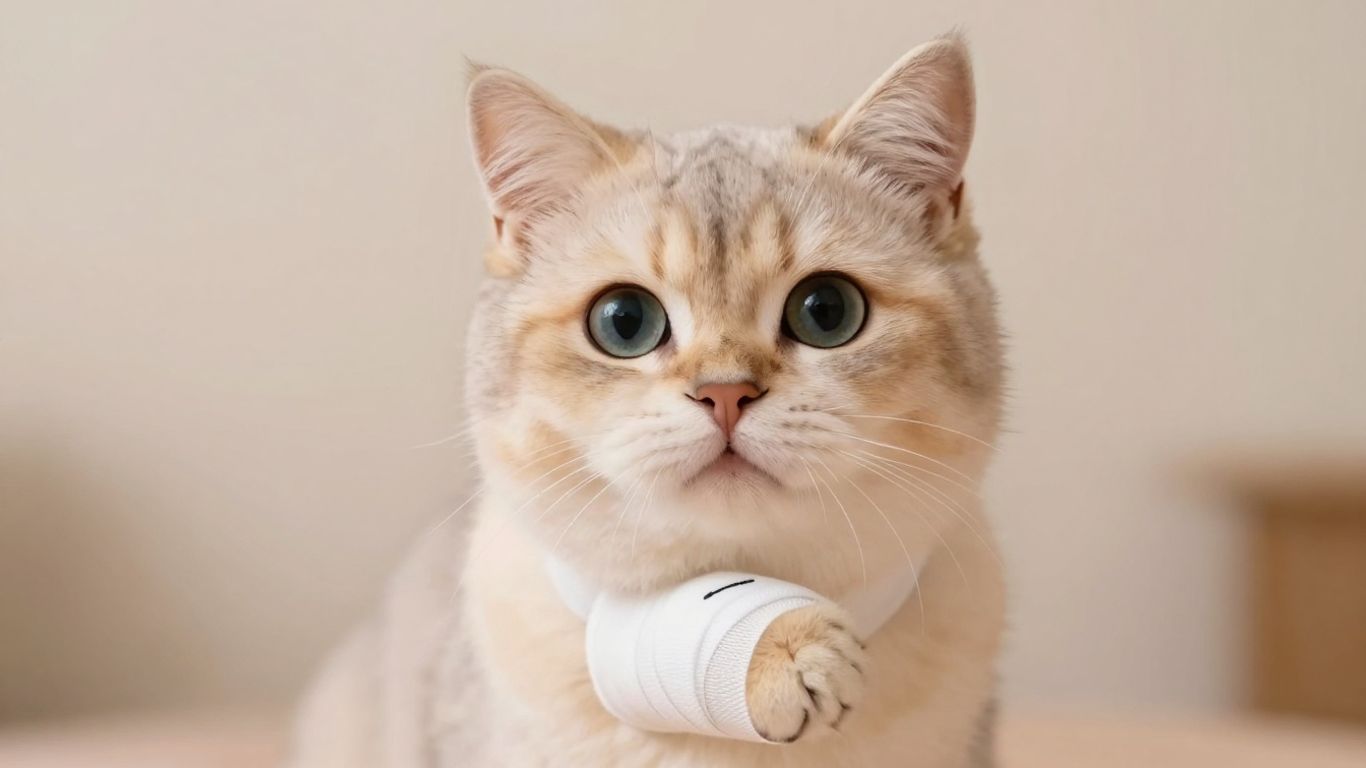
Cat insurance is basically a way to help pay for those unexpected vet bills that pop up when your feline friend gets sick or injured. Think of it like health insurance, but for your cat. It’s a contract between you and an insurance company. You pay them a regular amount, called a premium, and in return, they agree to cover a portion of certain veterinary costs if your cat needs medical attention. This can include things like treatments for illnesses, injuries from accidents, and sometimes even other benefits like help finding a lost cat or covering costs if you’re too sick to care for them.
Why Is Cat Insurance Important?
Our cats are family, right? And just like us, they can get sick or have accidents. Vets can do amazing things these days, but that advanced care often comes with a hefty price tag. Since there’s no national health service for pets, those vet bills can pile up fast, especially in tough economic times. Having insurance means you’re better prepared for these surprises, so you can focus on getting your cat the best care without stressing about the cost. It can also cover other situations, like if your cat goes missing or if you need someone to look after them while you’re recovering from an illness.
How Does Cat Insurance Work?
It’s pretty straightforward, really. You pick a policy that fits your needs and your cat’s situation. You pay your premiums regularly. Then, if your cat needs treatment for something covered by your policy, you’ll usually pay the vet directly and then submit a claim to your insurance company. They’ll review the claim based on your policy’s terms and reimburse you for the covered expenses, minus any deductible or excess you’re responsible for. It’s important to remember that not all policies are the same, so understanding what’s covered and what’s not is key before you need to make a claim.
Here’s a quick look at what influences the cost:
| Factor | Description |
|---|---|
| Breed and Pedigree | Some breeds are more prone to certain health issues. |
| Cat’s Age | Older cats and very young kittens might have higher premiums. |
| Geographic Location | Vet costs can vary a lot depending on where you live. |
| Type of Coverage | More extensive coverage generally means a higher premium. |
It’s really about having a safety net. You hope you never need to use it, but if you do, it can make a huge difference in getting your cat the treatment they need without breaking the bank. Knowing the basics helps you make a smarter choice for your furry friend.
Key Factors Influencing Cat Insurance Costs
So, you’re thinking about getting cat insurance, which is smart. But have you noticed the prices can really vary? It’s not just random; a few things play a big role in what you’ll end up paying. Understanding these factors can help you figure out why one policy costs more than another and maybe even help you find a better deal.
Breed and Pedigree
Some cat breeds, especially purebreds, are more prone to certain health issues. For example, a Persian might be more likely to develop breathing problems or eye conditions, while a Siamese could be more susceptible to dental issues. Insurers know this. If your cat’s breed has a higher chance of developing specific, costly conditions, your premium will likely be higher. It’s like buying car insurance for a sports car versus a minivan – the risk profile is different.
Your Cat’s Age
Just like with people, age matters a lot. Kittens are more likely to get into accidents or catch common illnesses because they’re still exploring and learning. Older cats, on the other hand, tend to develop chronic conditions or age-related illnesses that can require ongoing, expensive treatment. So, insuring a very young kitten or a senior cat often comes with a different price tag than insuring a cat in its prime.
Geographic Location
Where you live makes a difference. Think about it: vet costs aren’t the same everywhere. In big cities or areas with a high cost of living, veterinary care, including specialized treatments and emergency services, tends to be more expensive. Insurers factor this in. If you live in an area where vet bills are generally higher, you can expect your insurance premiums to reflect that.
Type of Coverage Selected
This is a big one. The more comprehensive the coverage, the more you’ll pay. Accident-only plans are usually the cheapest because they only cover injuries from accidents. Policies that cover illnesses, accidents, and maybe even things like dental care or alternative therapies will cost more. You’re paying for more protection, so the price goes up. It’s a trade-off between cost and peace of mind.
It’s really important to remember that the cheapest policy isn’t always the best. Sometimes, a slightly higher premium gets you much better coverage, which could save you a lot more money in the long run if your cat needs extensive veterinary care. Always look at what’s included and what’s not.
Here’s a quick look at how these factors might influence costs:
| Factor | Impact on Cost | Notes |
|---|---|---|
| Breed | Higher | Purebreds with known genetic predispositions |
| Lower | Mixed breeds with generally good health | |
| Age | Higher | Senior cats (e.g., 8+ years) |
| Moderate | Adult cats (e.g., 1-7 years) | |
| Moderate | Kittens (e.g., under 1 year) – higher accident risk | |
| Location | Higher | Major metropolitan areas |
| Lower | Rural or lower cost-of-living areas | |
| Coverage Type | Highest | Lifetime illness and accident coverage |
| Moderate | Per-condition or 12-month time-limited coverage | |
| Lowest | Accident-only coverage |
Choosing the Right Cat Insurance Policy
Picking the right insurance for your cat can feel like a puzzle, but it doesn’t have to be overly complicated. Think of it like choosing a good mechanic – you want someone reliable, who covers what you need, and doesn’t charge an arm and a leg. The best time to get insurance is when your cat is young and healthy, before any health issues pop up.
Here are a few things to keep in mind:
- Insure Your Cat Early: Seriously, do this as soon as you get your cat, especially if it’s a kitten. It’s way easier and cheaper to get coverage before they develop any health problems. Once a condition is noted, it’s often excluded from future policies, which can be a real headache down the line.
- Evaluate Policy Coverage Levels: Don’t just glance at the price tag. Think about what you might actually need. Does the policy cover accidents, illnesses, or both? What about ongoing conditions? Make sure the coverage amount is enough to handle potential vet bills, both now and as your cat ages.
- Read the Fine Print Carefully: I know, I know, reading terms and conditions isn’t exactly thrilling. But it’s super important. This is where you’ll find out exactly what’s covered and, more importantly, what’s not. Check for things like waiting periods, deductibles, and any specific exclusions.
- Don’t Prioritize Price Alone: The cheapest policy isn’t always the best. Sometimes, lower prices mean less coverage. Different policies handle vet fees in different ways, and that can really affect the cost. It’s worth paying a bit more for peace of mind if it means better protection for your furry friend.
When you’re comparing policies, it’s easy to get lost in all the details. If something isn’t clear, don’t hesitate to call the insurance company directly. Asking questions upfront can save you a lot of confusion and potential disappointment later on.
Here’s a quick look at how different coverage types can affect what you pay and what you get:
| Coverage Type | What it Covers | Potential Cost | Notes |
|---|---|---|---|
| Lifetime | Accidents and illnesses, with annual limits that reset each year. | Higher | Best for ongoing conditions; covers your cat for its entire life. |
| Per Condition | A set amount of money for each specific condition diagnosed. | Medium | Once the limit is reached for a condition, it’s no longer covered. |
| 12-Month Time-Limited | Accidents and illnesses, up to a set amount or for 12 months, whichever comes first. | Lower | Coverage stops after 12 months for a condition, even if you’re still within a monetary limit. |
| Accident-Only | Only covers injuries resulting from accidents. | Lowest | Does not cover any illnesses or diseases, which are common reasons for vet visits. |
Remember, not all policies are created equal. Take your time, do your homework, and choose the one that best fits your cat’s needs and your budget.
Understanding Policy Terms and Conditions
When you’re looking at cat insurance, it’s easy to get caught up in the excitement of getting coverage for your furry friend. But before you sign on the dotted line, it’s super important to really get what the policy is saying. Think of it like reading the instruction manual for a new gadget – you wouldn’t just toss it aside, right? The same goes for your insurance policy. Knowing the terms can save you a lot of headaches and unexpected costs down the road.
Policy Excess Explained
This is basically the amount you’ll pay out of pocket before the insurance company steps in. It’s like a deductible on your car insurance. Some policies have an excess that you pay just once for a specific condition, while others might ask for it every year or even every time you file a claim for that condition. It can sometimes feel like a bit of a sting, but often, having an excess helps keep your monthly premiums lower. It’s a trade-off, for sure.
Waiting Periods for Coverage
Most insurance policies have a waiting period. This is the time between when you buy the policy and when you can actually make a claim. It’s usually a few weeks, maybe 10 to 30 days. If your cat gets sick or injured during this initial period, the insurance company likely won’t cover it. So, it’s best to get insurance when your cat is healthy and young, well before any issues pop up.
Age Limits for Policies
Many insurance providers have an age limit for when you can start a new policy. Once your cat is insured before hitting that age limit, most policies will let you renew it year after year, even as your cat gets older. It’s a bit like a ‘get in before you’re too old’ kind of deal. Always check what that age limit is so you don’t miss the window.
Pre-Existing Conditions
This is a big one. Pre-existing conditions are any illnesses or injuries your cat had before you got the insurance policy. Insurance policies almost never cover these. If your cat had a skin rash a year ago and you get insurance now, that rash probably won’t be covered if it comes back. This also applies if you switch insurance companies; the new policy will likely see the old condition as pre-existing and exclude it. It really highlights why getting insurance early is so smart.
Understanding these terms isn’t just about avoiding surprises; it’s about making sure the policy you choose actually fits your cat’s needs throughout its life. Don’t be afraid to ask the insurance company to explain anything you’re not clear on. It’s better to ask now than to find out later that something isn’t covered when you really need it to be.
Types of Veterinary Fee Coverage for Cats
When you’re looking at cat insurance, one of the biggest things to figure out is how the policy handles vet bills. It’s not a one-size-fits-all situation, and understanding the different types of coverage can save you a lot of headaches down the road. Basically, policies differ in what they pay for and for how long. It’s super important to know what you’re signing up for right from the start.
Lifetime Coverage Plans
These are often considered the most robust option. With a lifetime plan, the policy’s monetary limit is refreshed each year, as long as you keep renewing it and paying your premiums. This means you can claim up to the full amount annually for accidents and illnesses throughout your cat’s entire life. It’s a good way to ensure ongoing care for chronic conditions that might pop up.
Per Condition Coverage
Also known as maximum benefit policies, these plans set a specific monetary limit for each distinct condition your cat might develop. When you make a claim for a particular issue, that amount is deducted from the limit for that condition. You can keep claiming for it until the money runs out. After that, that specific condition won’t be covered anymore, even if you renew the policy. This type of coverage can be a bit tricky if your cat has a long-term illness.
12-Month Time-Limited Policies
These policies tend to be a bit cheaper. They put a cap on how much they’ll pay out for a condition, either by a set amount of money or a time limit, usually 12 months from when treatment first began. Whichever comes first, that’s it for that condition. Once the time or money limit is hit, you can’t claim for it again on this or any other policy. It’s a decent option for short-term issues, but not ideal for ongoing health problems.
Accident-Only Coverage
This is generally the most budget-friendly type of coverage. As the name suggests, it only covers veterinary fees if your cat has an accident. It won’t cover anything related to illnesses or diseases. While it offers a safety net for unexpected injuries, it leaves you completely exposed if your cat gets sick.
It’s really about matching the policy type to your cat’s potential needs and your own financial comfort level. Thinking about your cat’s breed, age, and any known health predispositions can help guide this decision.
Here’s a quick rundown:
- Lifetime: Annual refresh, covers chronic conditions long-term.
- Per Condition: Fixed amount per issue, stops covering once limit is reached.
- 12-Month Time-Limited: Cap on money or time (usually 1 year) per issue.
- Accident-Only: Only covers injuries from accidents, no illnesses.
When considering these options, remember that some policies might also include optional wellness plans that can help with routine care, which is a separate but related consideration for your cat’s overall health.
Additional Benefits in Cat Insurance
Beyond just covering vet bills for accidents and illnesses, many cat insurance policies throw in some extra perks. These can really make a difference when unexpected things happen, offering a bit more peace of mind. It’s worth checking what these extras include, as they often come with their own limits.
Lost or Stolen Cat Benefits
Losing a furry friend is a terrible thought. Some policies help ease the stress by covering the cost of putting up posters or offering a reward to help find your cat if it goes missing. This can be a lifesaver when every minute counts. If the worst happens and your cat isn’t found after a certain period, the policy might pay out the original purchase price or even the market value for a cat of similar breed and age.
Death and Loss Compensation
This benefit is related to the loss or theft coverage. If your cat sadly passes away, the policy can reimburse you for the initial cost of getting your cat. Again, some insurers might pay out the market value instead of the purchase price. Keep in mind, this usually won’t apply if the death is due to a pre-existing condition or an illness that occurred after a certain age specified in the policy.
Cattery or Homecare Costs
Life throws curveballs, and sometimes you might end up in the hospital unexpectedly. If this happens, this benefit can help cover the costs of boarding your cat at a cattery or paying for someone to look after your cat in your home while you recover. It’s a way to make sure your cat is cared for when you can’t be there.
Overseas Travel Coverage
Planning a trip abroad with your feline companion? Some policies offer an extension of coverage for your cat when you’re traveling internationally. There are usually rules about which countries are covered and for how long your cat can be outside your home country each year. It’s a good idea to check the specifics if you’re a frequent traveler with your pet.
Exploring Extra Coverage Options
Beyond the standard accident and illness coverage, many cat insurance policies offer optional add-ons or specific plans that can provide even more peace of mind. These extras can be really helpful for situations that aren’t always covered by basic plans. It’s worth looking into these to see if they fit your cat’s needs and your budget.
Alternative Therapies
Sometimes, traditional veterinary medicine isn’t the only way to help your cat recover. Alternative therapies are becoming more common and can be quite effective. Think about things like acupuncture, which uses tiny needles to help with pain and inflammation, or physiotherapy, which involves exercises to help with mobility after an injury or surgery. Hydrotherapy, using water for exercise and rehabilitation, is another option. Some policies might also cover chiropractic care or laser therapy. These therapies can be a great complement to conventional treatments, especially for chronic conditions or recovery from injuries.
Microchip Implantation
Losing a cat is a terrifying thought for any owner. A microchip is a tiny device implanted under your cat’s skin, usually between the shoulder blades. It contains a unique identification number that can be scanned by vets or shelters. If your cat ever gets lost and is found, a quick scan can help reunite you. Some insurance plans include the cost of microchip implantation as part of their extra benefits, recognizing how important it is for your cat’s safety.
Prescription Food and Supplements
Your vet might recommend special prescription diets or supplements to manage specific health issues your cat has. This could be for conditions like kidney disease, allergies, or urinary tract problems. These aren’t your everyday cat foods; they’re formulated to address particular medical needs. If your cat has a covered condition, some insurance policies will reimburse you for the cost of these prescription foods and supplements. It’s usually for treating a diagnosed condition, not just for general health or weight management, so be sure to check the specifics.
Wrapping It Up
So, there you have it. Cat insurance might seem like a lot to sort through, with all the different plans and what they cover. It’s not just about vet bills, though that’s a big part of it. Think about what matters most for your furry friend and your wallet. Whether it’s a sudden accident or a long-term health issue, having a plan in place can really take the edge off when things get tough. Don’t just pick the cheapest option; really look at the details to make sure it fits your cat’s needs and your peace of mind. It’s a bit of homework, sure, but knowing you’re prepared can make all the difference.
Frequently Asked Questions
What exactly is cat insurance?
Cat insurance is basically a safety net for your feline friend’s health. It’s a plan you pay for that helps cover the vet bills if your cat gets sick or has an accident. Think of it like health insurance for people, but just for your kitty. It can also help with other things, like covering costs if your cat gets lost or if you need someone to look after them while you’re sick.
Why should I even think about getting cat insurance?
Cats are awesome, but they can get into trouble, just like us! Vets can do amazing things these days to help sick or hurt cats, but it can get really expensive. Since there’s no free healthcare for pets, insurance helps you be ready for those surprise vet visits without stressing too much about the cost. It’s a smart way to plan ahead for unexpected health issues.
What makes the price of cat insurance go up or down?
A few things play a role in how much you’ll pay. Your cat’s breed can matter because some breeds are more likely to have certain health problems. How old your cat is also a factor; older cats often cost more to insure. Where you live can affect the price too, as vet costs can be different in different areas. And, of course, the type of coverage you choose – more protection usually means a higher price.
When is the best time to get insurance for my cat?
The best time to get insurance for your cat is when they are young and healthy, ideally as a kitten. This way, any health issues that pop up later are more likely to be covered. If you wait until your cat is already sick or injured, those problems might be considered ‘pre-existing’ and won’t be covered by the new insurance policy.
What’s the difference between the types of vet coverage?
There are a few main kinds of coverage. ‘Lifetime’ plans are usually the most comprehensive, covering issues year after year as long as you keep the policy. ‘Per condition’ plans give you a set amount of money for each specific illness or injury. ’12-month time-limited’ policies cover issues for a year or up to a certain amount, and then they’re no longer covered. ‘Accident-only’ plans are the cheapest but only cover injuries, not illnesses.
Does cat insurance cover things like alternative therapies or special food?
Some insurance plans offer extra benefits beyond just regular vet visits. This can include things like acupuncture or physical therapy for your cat, help if your cat gets lost or stolen, or even covering costs for prescription food or supplements if your vet recommends them for a covered condition. It’s worth checking the policy details to see what extra perks are included.