

Buying car insurance can feel like a puzzle, right? There’s a lot of information out there, and it’s easy to get lost in the details. But knowing the basics of car insurance is super important. It’s not just about following the rules; it’s about protecting yourself and your wallet when you’re out on the road. This guide breaks down what you need to know without all the confusing lingo.
Key Takeaways
- Liability coverage is mandatory and pays for damage you cause to others or their property.
- Collision coverage helps pay for repairs to your own car after an accident.
- Comprehensive coverage handles damage to your car from things like theft, vandalism, or weather.
- Your car insurance premium is influenced by factors like your driving history, where you live, and the coverage you choose.
- Always compare quotes and understand what your policy does and doesn’t cover before buying.
Understanding Essential Car Insurance Coverages
So, you’ve got a car, and you need insurance. Makes sense, right? But what exactly does that insurance cover? It can feel like a maze sometimes, with all the different terms and options. Let’s break down the main types of coverage that most people need to know about. Think of these as the building blocks of your car insurance policy.
What is Liability Coverage?
This is the big one, the coverage that’s usually required by law. Liability coverage is all about protecting others if you’re the one who causes an accident. It steps in to pay for damages to other people’s property, like their car or even a fence they own. It also covers injuries to other people involved in the accident, including their medical bills. Basically, if you mess up someone else’s stuff or hurt someone, this coverage helps you pay for it, so you don’t have to drain your savings.
- Bodily Injury: Covers medical expenses, lost wages, and pain and suffering for people you injure.
- Property Damage: Covers repairs or replacement costs for property you damage, like other vehicles, buildings, or personal belongings.
It’s really important to have enough liability coverage. The minimum required by law might not be enough if you cause a really bad accident. You don’t want to be on the hook for hundreds of thousands of dollars.
The Role of Collision Coverage
Collision coverage is different because it focuses on your car. If you get into a crash with another vehicle or hit something, like a pole or a wall, this coverage helps pay to fix your car. It also covers your car if it flips over. Now, this coverage isn’t always mandatory, especially if you own your car outright and it’s not super new or expensive. If your car is older and would cost a lot to repair, or if it’s cheap to replace, some people skip this. But if you have a newer car or rely on it daily, it’s definitely something to consider.
Defining Comprehensive Insurance
Think of comprehensive insurance as the ‘everything else’ coverage for your car, besides collisions. It protects your vehicle from damage that isn’t caused by a crash. So, what kind of things are we talking about here?
- Theft: If your car gets stolen and isn’t recovered.
- Vandalism: If someone intentionally damages your car.
- Natural Disasters: Things like hail storms, floods, or strong winds damaging your vehicle.
- Animal Collisions: Hitting a deer, for example.
This type of coverage is typically optional but highly recommended for most drivers. It covers a lot of unpredictable events that could leave you with a damaged car and a big repair bill.
Key Components of Your Car Insurance Policy
Understanding Liability Insurance
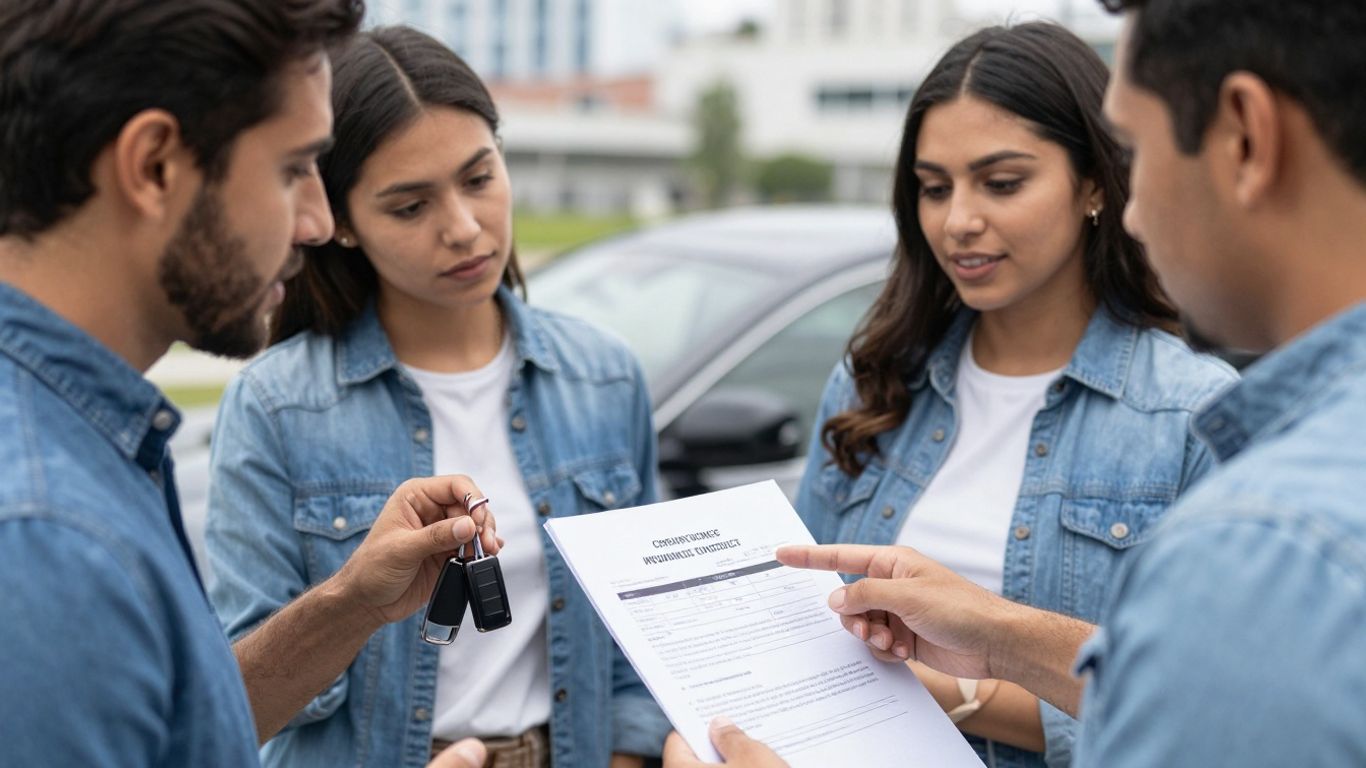
Okay, so you’ve got a car, and you need insurance. One of the big pieces is liability coverage. Think of it as your financial safety net if you happen to cause an accident that hurts someone else or damages their stuff. This isn’t about fixing your own car; it’s about covering the costs for the other folks involved. This includes things like medical bills for injuries you caused or repairs to another car or even a fence you might have bumped into. It’s the part of the policy that’s usually required by law, and for good reason. If the damages go beyond your insurance limit, you might have to pay the rest out of your own pocket, which is why picking a decent limit is pretty important.
What Are Accident Benefits?
Accident benefits are all about taking care of you and your passengers after a crash, no matter who was at fault. This coverage helps with things like medical treatments and rehab if you get hurt. It can also help replace some of your lost income if you’re unable to work because of the accident. It’s like a built-in support system to help you get back on your feet. It’s worth checking what exactly is included here, as it can vary quite a bit between policies.
Exploring Additional Coverage Options
Beyond the basics, there are a bunch of other coverages you can add to your policy. These aren’t always mandatory, but they can be super helpful depending on your situation.
- Collision Coverage: This is for when your car bumps into another vehicle or object, or if it flips over. If your car is leased or financed, you’ll probably need this. If your car is older and not worth much, you might skip this one.
- Comprehensive Coverage: This covers damage that isn’t from a collision. Think theft, vandalism, fire, or even hitting a deer. It’s for those unexpected events that aren’t your fault.
- Rental Car Reimbursement: If your car is in the shop after an accident, this helps pay for a rental so you’re not stuck.
- Roadside Assistance: Ever run out of gas, get a flat tire, or lock your keys in the car? This can help get you back on the road.
It’s easy to just pick the cheapest option, but really taking a moment to think about what could happen and what you’d need if it did is a smart move. You don’t want to be caught off guard when something goes wrong.
Factors Influencing Your Car Insurance Premiums
So, you’ve got your car, and now you need insurance. But have you ever wondered why some people pay way more than others for the same basic coverage? It’s not just random; insurance companies look at a bunch of things to figure out your rate, often called a premium. Think of it like a personalized price tag for your risk.
How Premiums Are Calculated
Insurance companies use complex formulas to predict how likely you are to file a claim. They look at tons of data, not just about you, but about groups of people with similar characteristics. It’s all about risk assessment. They want to make sure they collect enough money from everyone to pay out claims when they happen, without charging too much to folks who are less likely to have an accident.
Here are some of the big factors they consider:
- Your Driving Record: This is a huge one. A clean record with no tickets or accidents usually means lower premiums. The more you’ve had issues on the road, the higher your rate will likely be.
- Where You Live: Believe it or not, your zip code matters. Areas with higher rates of theft, vandalism, or accidents tend to have higher insurance costs.
- The Car You Drive: Some cars are just more expensive to repair or more likely to be stolen. Think sports cars versus minivans. The make, model, and even the year of your car can affect your premium.
- How Much You Drive: If you commute 50 miles each way every day, you’re on the road more than someone who only drives to the grocery store once a week. More time on the road generally means a higher premium.
- Your Age and Experience: Younger, less experienced drivers typically pay more because statistics show they’re more prone to accidents. As you get older and gain more driving experience, your rates often go down.
- Your Coverage Choices: The more coverage you opt for (like collision and comprehensive), the more you’ll pay. Choosing higher deductibles can lower your premium, though.
It’s important to remember that insurance companies are businesses. They’re trying to balance offering you a fair price with managing their own financial risks. What seems like a small detail to you might be a significant factor in their calculations.
Impact of Driving Record and History
Your driving record is probably the most significant factor influencing your car insurance premiums. It’s a direct reflection of your behavior behind the wheel. Insurers see it as a predictor of future claims.
- Tickets: Speeding tickets, running red lights, or other moving violations signal to insurers that you might be a riskier driver. Each ticket can lead to an increase in your premium, and multiple tickets can really drive up the cost.
- Accidents: If you’ve been involved in accidents, especially if you were found at fault, expect your rates to go up. Even if an accident wasn’t your fault, some insurers might still adjust your premium slightly.
- Claims History: The number of times you’ve filed a claim in the past also plays a role. Frequent claims, even for minor things, can make you appear as a higher risk.
Choosing Your Coverage and Deductibles
This is where you have some direct control over your premium. You can’t change your age or where you live, but you can decide what kind of protection you want and how much you’re willing to pay out-of-pocket if something happens.
- Coverage Levels: Deciding on the limits for your liability coverage, or whether you need comprehensive and collision coverage, directly impacts your premium. More coverage generally means a higher cost.
- Deductibles: This is the amount you agree to pay before your insurance kicks in for a claim. If you choose a higher deductible (say, $1,000 instead of $500), your premium will usually be lower. It’s a trade-off: you save money on the premium, but you’d pay more if you have to file a claim.
Here’s a quick look at how deductibles can affect your premium:
| Deductible Amount | Estimated Premium Impact |
|---|---|
| $250 | Highest Premium |
| $500 | Medium-High Premium |
| $1,000 | Lower Premium |
| $2,500 | Lowest Premium |
It’s a balancing act. You want enough coverage to protect yourself financially, but you also don’t want to pay more than you can afford for premiums or deductibles.
Navigating the Car Insurance Purchase Process

So, you’ve figured out what kind of coverage you need. Now what? Buying car insurance might seem like a big task, but it doesn’t have to be complicated. Think of it like shopping for anything else – you want to get the best bang for your buck. The key is to do your homework before you commit.
Getting Car Insurance Quotes
This is where you start comparing prices. Most insurance companies let you get quotes online, which is super convenient. You’ll usually need to provide some basic info like your age, where you live, details about your car, and your driving history. Some places might even let you do it over the phone if you prefer talking to a person. It’s a good idea to get quotes from a few different places to see what’s out there. You can find a good starting point for gathering this information here.
Comparing Different Insurance Offers
Once you have a few quotes in hand, don’t just pick the cheapest one right away. Look closely at what each policy actually covers. Sometimes a lower price means less protection, and that’s not always a good trade-off. Check things like the deductible amounts (that’s what you pay before insurance kicks in) and what specific events are covered. It’s worth taking a bit of extra time to make sure you’re getting the right coverage for your needs, not just the lowest price.
Here’s a quick rundown of what to look at:
- Coverage Limits: How much will the insurance pay out for different types of claims?
- Deductibles: How much do you pay out-of-pocket before the insurance company pays?
- Included Coverages: Does it have everything you need, like liability, collision, and comprehensive?
- Optional Add-ons: Are there extras like roadside assistance or rental car coverage that you might want?
Remember, insurance is there to protect you financially. While saving money is important, skimping on coverage could cost you a lot more down the road if you have an accident.
Purchasing Your Car Insurance Policy
After you’ve compared your options and found the policy that fits best, it’s time to buy. Many companies allow you to finalize everything online, which is pretty straightforward. If you’re more comfortable, you can usually call them up and speak with an agent to complete the purchase. Once you’ve bought your policy, you’ll get your insurance documents. Keep these handy, as you’ll need proof of insurance whenever you drive.
What Your Car Insurance May Not Cover
So, you’ve got car insurance, which is great. It’s a must-have, really. But here’s the thing: not everything is covered. It’s easy to think your policy is a magic shield for every single car-related problem, but that’s just not the case. Understanding what’s not included is just as important as knowing what is.
Limitations of Standard Policies
Your standard policy is primarily designed to protect you financially if you cause damage to others (liability) or if your own car gets damaged in specific ways like collisions or certain weather events. It’s not usually a catch-all for every possible scenario. For instance, if your car is damaged because of wear and tear, or if it’s involved in an accident while being used for commercial purposes like deliveries, you might find yourself without coverage. Always read the fine print to see what’s explicitly excluded.
Coverage for Personal Items
This is a big one people often miss. If someone breaks into your car and steals your stuff – your laptop, your gym bag, your groceries – your car insurance likely won’t cover it. That’s usually the job of your home or renter’s insurance. It’s a bit confusing, I know, but think of it this way: car insurance covers the car itself and damage related to driving it, while home insurance covers your belongings, even when they’re inside your car. You’ll want to check your home policy’s limits for "contents away from home" or similar clauses.
Understanding Exclusions
Every insurance policy has a list of "exclusions." These are specific events or situations that the insurance company won’t pay for. Common exclusions can include:
- Damage from war or acts of terrorism.
- Mechanical breakdowns or regular maintenance issues.
- Damage from using your car in a way it wasn’t intended, like racing.
- Losses due to intentional acts.
- Damage from floods or earthquakes might be excluded depending on your policy and location, sometimes requiring separate coverage.
It’s really important to remember that insurance policies are contracts. They outline exactly what the insurer will pay for and what they won’t. If you’re unsure about a specific situation, the best thing to do is call your insurance agent or company directly. Don’t wait until you have a claim to find out something isn’t covered. That’s a recipe for a bad surprise.
Sometimes, you can add extra coverage, often called an "endorsement" or "rider," to fill these gaps. Things like rental car reimbursement, roadside assistance, or even "gap insurance" (which covers the difference between what you owe on a loan and the car’s actual cash value if it’s totaled) are often optional add-ons. It’s worth looking into what’s available to make sure you’re protected for the things that matter most to you.
Mandatory Requirements for Driving
Why Car Insurance is Legally Required
So, you’ve got your driver’s license, your car is gassed up, and you’re ready to hit the road. But hold on a second – before you even think about cruising, there’s a big one: car insurance. It’s not just a suggestion; it’s a legal requirement in pretty much every place you can drive. This mandate is all about making sure everyone has a basic safety net. Think of it as a rule that protects you and others from the financial mess that can happen after an accident. Without it, you’re basically rolling the dice with potentially huge costs if something goes wrong.
Consequences of Driving Uninsured
Let’s be real, driving without insurance is a gamble that rarely pays off. If you’re caught, the penalties can be pretty rough. You could be looking at hefty fines, and your vehicle might even get impounded. On top of that, if you’re involved in an accident and you don’t have insurance, you’ll be personally responsible for all the costs. This means paying for any damage to other vehicles, property, and, most importantly, any medical bills for injuries. It can quickly turn into a financial nightmare that follows you around for years. Insurers might also label you as a "high-risk" driver, making it way more expensive to get coverage down the line, if they even offer it to you at all.
Driving without the minimum required insurance isn’t just a ticketable offense; it’s a financial hazard. The costs associated with an accident, from vehicle repairs to medical expenses for injuries, can be astronomical and can lead to significant debt if you’re uninsured.
Provincial Minimum Coverage Standards
Now, here’s where things get a little specific. While car insurance is a must everywhere, the exact minimum coverage you need can change depending on where you live. Each province or territory sets its own rules for what counts as the basic, legally required insurance. Usually, this includes things like liability coverage (to pay for damage you cause to others) and accident benefits (to cover your own injuries). It’s super important to know your local requirements so you don’t accidentally fall short. You can usually find this info on your provincial government’s website or by asking your insurance provider. Getting the right minimum coverage is key to staying legal and protected.
Here’s a general idea of what’s often included in minimum requirements:
- Liability Coverage: This is usually the big one. It helps pay for damages or injuries you cause to other people or their property if you’re at fault in an accident.
- Accident Benefits: This covers things like medical expenses and lost income if you or your passengers are injured in an accident, regardless of who caused it.
- Uninsured Automobile Coverage: This is a safety net for situations where you’re hit by a driver who doesn’t have insurance or flees the scene.
- Direct Compensation for Property Damage (in some provinces): This helps cover repairs to your vehicle if you’re not at fault for the accident, and the other driver is insured.
Wrapping It Up
So, that’s the lowdown on car insurance basics. It might seem like a lot at first, but really, it’s just about knowing what you need to protect yourself and others on the road. Remember, liability is usually the must-have, covering damage you might cause. Then you’ve got collision and comprehensive, which are more about fixing up your own ride from accidents or other stuff like theft or weather. Don’t forget to shop around and compare prices, because not all policies are created equal, and sometimes a little digging can save you some cash. Getting insured is a big step, but understanding it makes it way less confusing. Drive safe out there!
Frequently Asked Questions
What’s the main reason car insurance is required by law?
Car insurance is a must-have because it protects you financially if you’re responsible for an accident. It helps cover the costs if you damage someone else’s car or property, or if someone gets hurt because of an accident you caused. Without it, you could end up paying a lot of money out of your own pocket.
What’s the difference between liability, collision, and comprehensive insurance?
Think of it this way: Liability insurance covers damage you cause to others. Collision insurance helps fix your car if it crashes into another car or something else. Comprehensive insurance covers damage to your car from things like theft, vandalism, or even hitting a deer – basically, anything that isn’t a collision.
Does my car insurance cover things stolen from inside my car?
Usually, no. Most car insurance policies don’t cover personal items like your phone, laptop, or clothes if they’re stolen from your car. You’ll likely need to check your home or renter’s insurance policy, as that often covers those kinds of losses.
What factors affect how much I pay for car insurance?
Lots of things! Insurers look at your age, where you live, the type of car you drive, how much you drive it, and your driving history (like tickets or past accidents). The type of coverage you choose and how much you agree to pay for repairs (your deductible) also play a big role.
What is a deductible and how does it work?
A deductible is the amount of money you agree to pay towards a repair or claim *before* your insurance company starts paying. For example, if you have a $500 deductible and your car needs $2,000 in repairs after an accident, you’d pay $500, and your insurance would cover the remaining $1,500.
How can I get car insurance and compare different offers?
It’s pretty straightforward these days! You can usually get quotes online from different insurance companies by visiting their websites. Once you have a few quotes, compare them carefully – don’t just look at the price. Check what each policy actually covers to make sure you’re getting the best deal for your needs.