

When something gets damaged, whether it’s your car or your house, insurance usually steps in. But what happens to the damaged stuff afterward? Often, there’s still some value left in it, and that’s where salvage value comes in. Figuring out how to handle this leftover value, known as salvage value allocation, can get a bit tricky. It’s about making sure everyone involved – the insurance company and you, the policyholder – gets a fair shake when it comes to what that damaged property is still worth.
Key Takeaways
- Salvage value is what’s left of the worth of damaged property after an insurance claim. How this value is split up is called salvage value allocation.
- The claims process involves checking the damage and seeing if any parts of the damaged item can still be sold or used.
- Figuring out the actual worth of salvaged items depends on things like market demand and how bad the damage is.
- Insurance policies have specific rules about who gets what from salvage, and legal agreements also play a big part.
- Both the insurance company and the policyholder have rights and responsibilities when it comes to salvage value allocation, and clear communication is key to a smooth process.
Understanding Salvage Value Allocation
When an insurance claim is settled, especially for a total loss, there’s often a piece of the damaged property left over. This isn’t just junk; it has a residual worth, known as salvage value. Figuring out what to do with this value, and who gets it, is what salvage value allocation is all about. It’s a key part of the claims process that can impact both the insurer and the policyholder.
The Role of Salvage in Insurance Claims
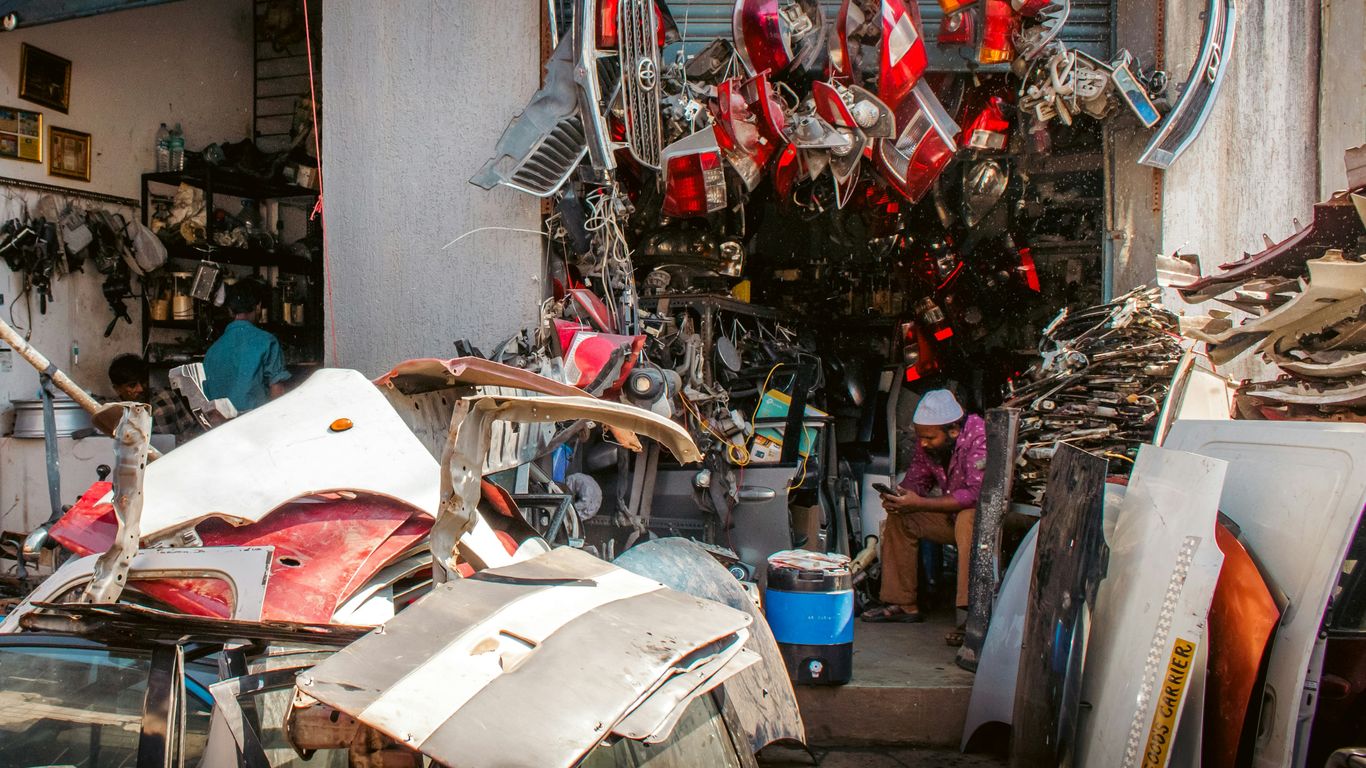
Salvage plays a pretty important role after a loss. Think of it this way: if your car is totaled, the insurance company pays you its value, but they might then take the wrecked car. That wrecked car still has parts that can be sold, or it can be sold for scrap. That’s the salvage. Insurers use this to try and get some money back, which helps keep premiums lower for everyone in the long run. It’s a way for them to recover part of their payout. This process is pretty standard, and it’s all laid out in your insurance policy.
Defining Salvage Value and Its Significance
Salvage value is basically the estimated worth of damaged property after a loss has occurred and it’s been deemed a total loss. It’s not what the item was worth before the damage, but what it’s worth in its damaged state. This could be for parts, scrap metal, or even if the item is repairable at a much lower cost than replacement. The significance lies in its ability to reduce the overall cost of the claim for the insurer. If an insurer can recover, say, $1,000 from selling a damaged vehicle, that’s $1,000 less they have to pay out from their own pocket. This directly affects the net loss exposure for the insurance company.
Key Principles of Salvage Value Allocation
There are a few main ideas that guide how salvage value is handled:
- Indemnity: The core principle is that insurance should make you whole, not make you richer. Salvage helps ensure this by preventing the policyholder from getting paid the full value of an item and then keeping the damaged item too.
- Cost Recovery: For the insurer, it’s about recovering some of the money paid out on a claim. This is a business necessity to keep the insurance system financially sound.
- Fairness: While insurers aim to recover costs, the allocation should also be fair to the policyholder. If the policyholder has rights to the salvage, they should receive a fair portion of its value.
Sometimes, disagreements pop up about how much the salvage is actually worth. This often comes down to different ideas on valuation methods, like Replacement Cost versus Actual Cash Value, which can really change the numbers. Valuation differences are a common point of contention.
The process of allocating salvage value isn’t just about the money left over after a loss. It’s a structured part of the insurance contract, designed to balance the insurer’s need to manage costs with the policyholder’s right to fair compensation. Understanding these principles is key to navigating the claims process smoothly.
The Claims Process and Salvage Opportunities
When an incident occurs that might lead to an insurance claim, a structured process kicks in. This process is where the potential for salvage value often first appears, though it might not be immediately obvious. It all starts with reporting the loss.
Initiating the Claims Process
As soon as you realize there’s been a loss, the first step is to notify your insurance company. This usually involves contacting your agent or the insurer directly. Timely notification is key, as many policies have conditions about how quickly you need to report an event. Delays can sometimes complicate things, so it’s best to do it as soon as possible. You’ll typically need to provide basic information about what happened, when, and where. This kicks off the official claims process.
Investigation and Damage Assessment
Once the claim is reported, the insurer will assign a claims adjuster. This person is your main point of contact and is responsible for figuring out what happened, if the loss is covered by your policy, and how much damage there is. They’ll review your policy details and may ask for documentation, conduct interviews, and inspect the damaged property. This is a critical stage for determining the extent of the loss and identifying any items that might still have value.
- Initial Contact: Adjuster reaches out to the policyholder.
- Information Gathering: Reviewing policy, collecting statements, requesting documents.
- Inspection: Physical examination of damaged property or loss site.
- Damage Estimation: Quantifying the cost of repairs or replacement, which is a key part of valuation.
The goal of the investigation is to get a clear picture of the loss. This involves not just looking at what’s broken, but also understanding the circumstances surrounding the event. Accuracy here sets the stage for everything that follows, including any salvage considerations.
Identifying Potential Salvage
During the investigation and damage assessment, the adjuster will also be looking for anything that hasn’t been completely destroyed. This could be undamaged parts of a damaged item, or items that are repairable. For example, in a car accident, even if the main body is totaled, the engine or tires might still be in good condition. In a fire, some appliances might be salvageable. Identifying these items early is important because it can affect how the claim is handled and potentially reduce the overall cost for the insurer, which can sometimes benefit the policyholder as well. It’s about seeing the potential value that remains after a loss.
Determining the Value of Salvaged Property
Once a loss has occurred and the insurance claim is in progress, identifying potential salvage is just the first step. The next, and often more complex, part is figuring out what that salvage is actually worth. This isn’t always straightforward, as the value can fluctuate quite a bit depending on several factors. It’s a process that requires a good understanding of the item itself and the current market.
Methods for Valuing Salvaged Assets
There isn’t a single, one-size-fits-all approach to valuing salvaged property. Insurers and adjusters typically employ a few different methods, often in combination, to arrive at a fair figure. The goal is to determine the marketable value of the damaged item in its current state.
Here are some common methods:
- Auction Value: This involves estimating what the item might fetch at a specialized auction. This is particularly relevant for vehicles, equipment, or unique collectibles where auction markets are well-established.
- Resale Value: This method looks at what a dealer or reseller might pay for the item, considering it will likely be repaired or refurbished before being sold to an end-user.
- Scrap Value: For items that are significantly damaged and have little to no functional value, their worth might be reduced to their raw material components (e.g., metal, plastic). This is often a baseline valuation.
- Appraisal: In some cases, an independent appraiser might be brought in to provide an objective valuation, especially for high-value or unusual items.
The actual cash value (ACV) of the salvaged item is what matters most. This isn’t necessarily what it cost new, but what it was worth right before the damage occurred, minus any depreciation. For salvage, it’s about what someone would pay for it as is, with its damage.
Factors Influencing Salvage Value
Several elements can significantly impact how much salvageable property is worth. It’s not just about the item itself, but also the circumstances surrounding its condition and potential sale.
- Extent of Damage: This is the most obvious factor. The more severe the damage, the lower the salvage value will likely be. However, sometimes even heavily damaged items have value for parts.
- Type of Property: Different types of property have different secondary markets. A damaged car has a different resale path than a damaged piece of electronics or furniture.
- Demand for Parts/Materials: If specific parts from a damaged item are in high demand for repairs or restoration, the salvage value can increase. Similarly, if the raw materials have significant value, that will be factored in.
- Condition of Non-Damaged Components: Even if a main component is destroyed, other parts might be perfectly functional and contribute to the overall salvage value. This is common in vehicle claims, where an engine might be ruined, but the transmission or body panels are salvageable.
The Role of Market Conditions in Valuation
Just like with any other commodity, the broader market plays a huge role in determining salvage value. What might be worth a certain amount today could be worth significantly more or less in a few months. Insurers need to stay aware of these fluctuations to accurately assess salvage. For instance, if there’s a shortage of certain used car parts, the salvage value of a wrecked vehicle that can be stripped for those parts might go up. Conversely, if a particular model of car is being phased out, the demand for its parts, and thus its salvage value, might decrease. Understanding these market dynamics helps ensure that the salvage value assigned is realistic and reflects the current economic environment. This careful valuation is a key part of the insurance claims process.
Legal and Contractual Frameworks for Salvage
When a loss occurs and an insurance claim is filed, the concept of salvage becomes a significant factor. It’s not just about the physical property; it’s about the legal rights and obligations that come into play. Understanding these frameworks is key for both insurers and policyholders.
Policy Language Governing Salvage Rights
The insurance policy itself is the primary document outlining salvage rights. It’s where you’ll find the specifics of what happens to damaged property after the insurer has paid out a claim. Most policies grant the insurer the right to take possession of the damaged property, known as the salvage, once they’ve settled the claim. This is often tied to the principle of indemnity, meaning the insurer aims to restore the policyholder to their pre-loss financial state, not to profit from the loss.
- Insurers typically have the right to salvage property after paying a claim.
- The policy document details the extent of these rights.
- Clear policy wording helps prevent disputes over ownership of damaged goods.
Insurable Interest and Salvage
Insurable interest is a fundamental concept in insurance. It means the policyholder must have a financial stake in the property being insured. When a total loss occurs and the insurer pays the full insured value, the insurable interest often transfers to the insurer. This transfer is what allows the insurer to claim the salvage. If the policyholder retains an insurable interest, perhaps because the payout didn’t cover the full value, the situation can become more complex, potentially leading to shared salvage rights or negotiations.
The transfer of insurable interest is a critical legal point that underpins the insurer’s right to salvage. Without this transfer, the insurer would essentially be paying for something they don’t own the damaged remains of.
Contractual Obligations in Salvage Recovery
Beyond the policy itself, other contracts can influence salvage recovery. For instance, if a third party was responsible for the loss, their contractual agreements might have clauses related to salvage. Insurers might also enter into contracts with salvage companies for the removal, storage, and sale of damaged goods. These agreements dictate how the salvage is handled and how any proceeds are distributed. It’s a whole chain of contractual obligations that ensures the process is managed efficiently and legally. For example, if a construction contract includes a waiver of subrogation, it could impact an insurer’s ability to recover costs from a responsible contractor, indirectly affecting salvage considerations. Understanding these legal and contractual aspects is vital.
Here’s a look at common contractual considerations:
- Salvage Agreements: Contracts between insurers and salvage vendors detailing terms of service, fees, and revenue sharing.
- Waivers of Subrogation: Clauses in other contracts that might limit an insurer’s right to recover from a responsible third party, potentially affecting salvage value.
- Lease Agreements: May contain clauses regarding responsibility for damaged property at the end of a lease term, which can interact with salvage rights.
Navigating these legal and contractual layers is essential for a fair and proper resolution of salvage value in insurance claims. It ensures that all parties understand their rights and responsibilities, leading to smoother claim settlements and preventing unnecessary disputes over final settlement amounts.
Methods for Salvage Value Allocation
When an insurance claim results in damaged property that isn’t a total loss, figuring out how to handle the remaining value, known as salvage, is a key part of the settlement. It’s not always a straightforward process, and there are a few common ways insurers and policyholders work through this. The goal is usually to get the claim settled fairly while also managing costs.
Direct Allocation to Insured
Sometimes, the simplest approach is to let the policyholder keep the damaged property and deduct its estimated salvage value from the settlement amount. This works best when the property has some remaining utility or value to the insured, or when the cost and hassle of the insurer taking possession outweigh the salvage value itself. It’s a pretty direct way to handle things, cutting down on extra steps.
- Insured retains the damaged item.
- Salvage value is subtracted from the payout.
- Requires agreement on the salvage value.
This method is often used for items where the cost of removal or disposal by the insurer would be high, or where the insured has a specific use for the damaged item. For example, a contractor might be able to salvage usable parts from damaged equipment for repairs on other jobs.
Allocation for Claim Cost Reduction
Another common method involves the insurer taking possession of the damaged property and selling it to recoup some of the claim payout. The proceeds from this sale are then used to offset the total amount paid out on the claim. This is particularly relevant when the insurer has established channels for selling salvaged goods, like vehicles at an auction or damaged electronics through specialized recyclers. The idea is to minimize the insurer’s net loss exposure.
- Insurer takes possession of the property.
- Property is sold, and proceeds reduce the claim cost.
- Often involves specialized markets for salvaged goods.
This approach requires the insurer to manage the logistics of collecting, storing, and selling the salvaged items. The actual value recovered can depend heavily on market conditions at the time of sale. It’s a way for the insurer to actively participate in recovering some of the loss.
Distribution Based on Policy Provisions
Ultimately, how salvage value is handled often comes down to what the insurance policy actually says. Some policies might explicitly outline procedures for salvage, including how the value is determined and who is entitled to it. In cases where the insured has paid for full replacement cost coverage, they might be entitled to the full replacement cost and a share of the salvage value if the insurer takes the damaged item. Conversely, if the policy is based on actual cash value, the salvage might be handled differently. It’s always important to check the specific wording in your policy language governing salvage rights.
The specific terms of the insurance contract are paramount in determining the rights and responsibilities concerning salvage. Policyholders should carefully review their documents to understand how salvage is addressed, as this can significantly impact the final settlement amount and their entitlements.
Here’s a general breakdown of how distribution might work:
- Insurer takes salvage: If the insurer takes the damaged property, they sell it. The proceeds are applied to reduce the claim payment. The policyholder receives the settlement minus the salvage value. This is common in total loss scenarios where the insurer pays the actual cash value and takes ownership of the wreck.
- Insured keeps salvage: If the policyholder keeps the damaged property, the insurer deducts the agreed-upon salvage value from the settlement. This requires a mutual agreement on the property’s worth in its damaged state.
- Shared proceeds: In some cases, particularly with high-value items or specific policy types, the policyholder and insurer might agree to share the proceeds from the sale of salvage. This is less common but can be negotiated.
Challenges in Salvage Value Allocation
Figuring out how to split up the value of salvaged items after a claim isn’t always straightforward. It can get pretty complicated, and sometimes people disagree on how things should be handled. It’s not just about the money, either; there are practical and legal sides to it too.
Disputes Over Valuation
One of the biggest headaches is when the insured and the insurance company can’t agree on how much the salvaged property is actually worth. The insurer might see a damaged car as having a certain scrap value, while the owner might believe it’s worth more, perhaps for parts or even as a project vehicle. This difference in opinion can really slow things down.
- Market Fluctuations: The value of salvaged goods can change quickly based on market demand, making it hard to pin down a precise number at any given moment.
- Condition Discrepancies: What one party considers a minor flaw, the other might see as a major defect that significantly reduces value.
- Subjectivity: Valuing used or damaged items often involves a degree of subjectivity, which naturally leads to different interpretations.
It’s important to remember that salvage value is often determined by what someone else is willing to pay for it, not necessarily what it cost new or even what it might be worth to the original owner.
Operational Complexities in Salvage Handling
Beyond just agreeing on a price, there are practical hurdles. Who’s going to store the salvaged item? How will it be transported? Who’s responsible for any costs associated with getting it ready to sell or dispose of? These logistical issues can add up.
- Storage Costs: Keeping salvaged items, especially large ones like vehicles or equipment, can incur significant storage fees.
- Transportation Logistics: Moving salvaged property from the loss site to a buyer or disposal facility requires planning and expense.
- Processing and Preparation: Sometimes, salvaged items need cleaning, minor repairs, or documentation before they can be sold, adding to the effort.
Regulatory Compliance in Allocation
Different regions and different types of insurance policies might have specific rules about how salvage value must be handled. Insurers have to make sure they’re following all these regulations, which can add another layer of complexity to the process. It’s not a one-size-fits-all situation.
- State-Specific Laws: Insurance is regulated at the state level, and rules regarding salvage can vary.
- Policy Wording: The specific language in the insurance policy itself dictates many of the rights and responsibilities concerning salvage.
- Consumer Protection: Regulations are in place to protect policyholders, and insurers must adhere to these standards when allocating salvage value.
The Insurer’s Perspective on Salvage
From an insurer’s viewpoint, salvage isn’t just about recovering some value from damaged property; it’s a key part of managing the overall financial impact of a claim. When a loss occurs, the insurer’s goal is to make the policyholder whole, but also to minimize their own net loss exposure. Salvage plays a direct role in achieving this.
Minimizing Net Loss Exposure
When an insurer pays out a claim, especially for a total loss, they essentially step into the policyholder’s shoes regarding the damaged property. Recovering value through salvage directly offsets the claim payment. Think of it like this: if an insurer pays $10,000 for a damaged car and then recovers $2,000 by selling the salvage, their actual net payout is only $8,000. This recovery is vital for keeping premiums stable and the business solvent. It’s a practical way to reduce the financial hit from claims.
Operational Efficiency in Salvage Management
Handling salvage effectively requires a streamlined process. Insurers often have dedicated teams or work with specialized vendors to manage the logistics of collecting, storing, and selling salvaged items. This involves:
- Assessment: Determining if the property has any salvageable value after the damage assessment.
- Logistics: Arranging for the transport and secure storage of the salvaged property.
- Disposition: Selling the salvaged items through various channels, such as auctions, scrap dealers, or specialized markets.
Efficient operations mean quicker recovery and less cost associated with managing the salvage itself. It’s about turning potential waste into a financial asset as smoothly as possible.
Strategic Use of Salvage Revenue
The revenue generated from salvage isn’t just pocketed. It’s a critical component in the overall financial health of the insurance operation. This income is often reinvested or used to offset the costs associated with claims handling and administration. For instance, funds from selling salvaged vehicles might help cover the costs of independent adjusters [6c01] who assess damages. In essence, salvage revenue contributes to the insurer’s ability to offer competitive pricing and maintain financial stability, which ultimately benefits all policyholders by helping to keep premiums down. It’s a strategic element in the complex financial ecosystem of insurance.
The insurer’s approach to salvage is rooted in financial prudence and operational necessity. It’s a mechanism to recoup a portion of claim payouts, thereby mitigating overall loss and contributing to the sustainability of the insurance model. This process requires careful valuation, efficient handling, and strategic deployment of recovered funds.
The Policyholder’s Rights in Salvage
When an insurance claim results in a total loss, the damaged property often becomes salvage. This salvage has a value, and understanding your rights regarding that value is important. It’s not always straightforward, but generally, the policyholder has certain entitlements.
Understanding Entitlement to Salvage Value
When an insurer pays out the full value of a damaged item, they often take ownership of the salvage. This is because they’ve essentially paid you for the item’s value before the loss. However, the policyholder might still have a claim to some or all of the salvage value, especially if the payout didn’t fully cover the item’s worth or if specific policy terms allow it. It really depends on the specifics of your policy and how the claim was settled. For instance, if the insurer pays you the actual cash value (ACV) and takes the salvage, they are recouping some of their payout. If they pay you the replacement cost value (RCV) and you still have to replace the item yourself, you might have a stronger argument for retaining the salvage value. It’s a bit of a balancing act. Always check your policy documents carefully for clauses related to salvage. Understanding your insurance coverage is the first step.
Negotiating Salvage Proceeds
If you believe you are entitled to the salvage value, or a portion of it, negotiation is often the next step. This might involve discussing with the claims adjuster how the salvage was valued and what the insurer intends to do with it. You might be able to negotiate a higher settlement amount by agreeing to let the insurer take the salvage, or you might propose to keep the salvage yourself and accept a reduced payout. Sometimes, the insurer might offer you the option to buy back the salvage from them. This can be a good option if you believe you can repair the item or sell its parts for more than the insurer’s valuation. Remember, clear communication and documentation are key during these discussions. Having your own estimates for the salvage’s value can strengthen your position.
Appealing Salvage Value Determinations
If you disagree with the insurer’s valuation of the salvage or their decision on who is entitled to it, you have the right to appeal. This process usually starts with a formal written appeal to the insurance company, outlining your reasons for disagreement and providing any supporting evidence, such as independent appraisals or market research. If the internal appeal doesn’t resolve the issue, you might consider alternative dispute resolution methods like mediation or appraisal, as outlined in many policies. These processes can help resolve disagreements over claim amounts without going to court. If all else fails, you may need to consult with an attorney specializing in insurance law to understand your legal options. Navigating these disputes requires a good grasp of policy clauses and your rights.
Best Practices for Salvage Value Allocation
When it comes to allocating salvage value, doing things right from the start can save a lot of headaches down the line. It’s not just about following the rules; it’s about being fair and clear with everyone involved. Transparent communication and thorough documentation are the bedrock of any successful salvage allocation process. This means keeping records of everything – from the initial assessment of the damaged property to the final distribution of any recovered value.
Transparent Communication and Documentation
Keeping all parties informed is key. When a claim involves salvage, explain the process clearly to the policyholder. Let them know what salvage is, how its value is determined, and how it will be allocated according to the policy. This proactive approach helps manage expectations and can prevent misunderstandings later on. Maintaining detailed records is just as important. This includes:
- Photos and videos of the damaged property before any salvage is removed.
- Records of all expenses incurred in the salvage process (e.g., removal, storage, sale).
- Documentation of the valuation methods used for the salvaged items.
- Proof of sale or disposal of the salvaged property.
- A clear breakdown of how the net salvage proceeds will be allocated.
Proper documentation serves as a verifiable trail, demonstrating the fairness and accuracy of the allocation. It’s your best defense against disputes and ensures that all actions taken are justifiable and in line with policy terms.
Fair and Consistent Valuation Practices
Determining the actual value of salvaged property can be tricky. It’s important to use methods that are both fair and consistently applied across similar claims. This might involve getting quotes from multiple buyers, using industry-standard valuation guides, or consulting with specialists. The goal is to arrive at a realistic market value for the salvaged items. For instance, if a vehicle is declared a total loss, its salvage value might be determined by auction results for similar damaged vehicles. The insurer’s role here is to act diligently in recovering the best possible value, which ultimately benefits the overall claim settlement. You can explore different methods for valuing salvaged assets to ensure you’re getting a fair shake.
Adherence to Regulatory Standards
Always keep an eye on the regulations in your specific jurisdiction. Insurance laws and guidelines often dictate how salvage value should be handled and allocated. Failing to comply can lead to penalties and legal issues. Make sure your practices align with state insurance department requirements and any specific policy provisions related to salvage. This ensures that the process is not only ethical but also legally sound, protecting both the insurer and the policyholder. Understanding the actual cash value of damaged property is often a starting point for these discussions.
Here’s a quick look at how allocation might break down:
| Allocation Method | Description |
|---|---|
| Direct Allocation to Insured | The net salvage proceeds are paid directly to the policyholder. |
| Claim Cost Reduction | The net salvage proceeds are used to reduce the overall claim payout. |
| Distribution Per Policy Provisions | Allocation follows specific clauses outlined in the insurance policy contract. |
Impact of Salvage Value on Claim Settlements
Salvage value plays a pretty significant role in how insurance claims get settled, often more than people realize. When an item is damaged but still has some worth, that worth can directly affect the final payout. It’s not just about the cost of replacing what’s lost; it’s also about what can be recovered from the damaged property.
Reducing the Insured’s Out-of-Pocket Expenses
One of the most direct impacts of salvage value is how it can lower the amount the policyholder has to pay. If an insurer can recover some money by selling salvaged items, that recovery can be put towards the claim. This often means a lower deductible for the insured or, in some cases, can help offset the depreciation that might otherwise reduce the payout. For example, if a damaged car has a salvage value of $2,000, and the insurer sells it, that $2,000 can be applied to the claim, potentially reducing the net cost to the insurer and, by extension, the insured’s financial burden.
Influencing Final Claim Payouts
The way salvage value is handled can definitely shape the final settlement amount. Insurers might deduct the estimated salvage value from the total loss payment upfront, or they might pay the full amount and then pursue the salvage themselves. The policy language is key here, dictating how this process works. Understanding these terms is important for policyholders to know what to expect. It’s all part of the larger process of insurance claims reserving, where the insurer estimates the total cost of a loss.
The Role of Salvage in Total Loss Scenarios
In situations where a loss is deemed a total loss – meaning the cost to repair exceeds the item’s value – salvage becomes even more relevant. The insurer typically takes ownership of the damaged property and then sells it for its salvage value. This recovered amount helps the insurer recoup some of its payout. For the policyholder, this usually means receiving the actual cash value (ACV) of the item, minus their deductible, and the insurer handles the disposal of the salvage. It’s a way to manage the overall financial outcome of the claim for everyone involved.
Here’s a general breakdown of how it can play out:
- Insurer takes salvage: The insurer pays the ACV (minus deductible) and keeps the damaged property to sell.
- Insured retains salvage: The insurer pays the ACV (minus deductible and estimated salvage value), and the insured keeps the damaged property.
- Negotiated settlement: Both parties agree on a payout that accounts for the salvage value.
The effective management and allocation of salvage value are critical components in the overall financial resolution of an insurance claim. It directly influences the net cost to the insurer and can significantly impact the final amount received by the policyholder, often serving to reduce their out-of-pocket expenses or adjust the total payout in total loss scenarios.
Ultimately, how salvage value impacts a claim settlement comes down to the specifics of the policy and the nature of the loss. Being informed about these aspects can help policyholders better understand and negotiate their settlements, especially when dealing with property damage valuation.
Wrapping It Up
So, when it comes to salvage value, it’s not just a simple number. It’s about understanding how different parts of a claim process work together, from the initial paperwork to how the final payout is figured out. Insurers have their own ways of looking at things, and policyholders need to be aware of that. It really comes down to clear communication and knowing what your policy says. Hopefully, this has given you a better idea of what goes into these decisions and why they matter.
Frequently Asked Questions
What exactly is salvage value in insurance?
Salvage value is basically the leftover worth of damaged property after an insurance company has paid out a claim for it. Think of it like the value of a broken toy that still has some usable parts. The insurance company might get to keep this value.
How does salvage value affect my insurance claim?
When your property is damaged and the insurance company pays you for it, they might take ownership of the damaged item. The money they get from selling or using the salvageable parts can help lower the total cost of your claim for them. Sometimes, this can affect how much they pay you initially.
Who decides the salvage value?
The insurance company usually figures out the salvage value. They might use experts or look at what similar damaged items have sold for. It’s important to know that this value is separate from the amount they pay you for the damage itself.
Can I keep the damaged property and still get my insurance payout?
Yes, sometimes you can. This is called ‘retaining salvage.’ If you want to keep the damaged item, the insurance company will likely subtract its estimated salvage value from your claim payment. This way, they don’t pay you the full amount and you still get to keep the item.
What if I disagree with the salvage value the insurance company sets?
If you think the salvage value they’ve decided on is too low or too high, you have the right to discuss it. You can present your own evidence, like estimates from salvage buyers. If you still can’t agree, you might need to look into the policy’s dispute resolution process, like mediation or appraisal.
Does salvage value apply to all types of insurance claims?
Salvage value is most common in property insurance claims, like for cars, homes, or business equipment that has been significantly damaged. It’s less common in claims for things like medical bills or lost income.
Are there rules about how insurance companies handle salvage?
Yes, insurance companies have to follow certain rules and guidelines when dealing with salvage. They need to handle it fairly and often have to document their process. Your insurance policy will also have specific language about salvage rights.
What’s the main goal of salvage in insurance?
The main goal for insurance companies is to reduce their overall loss on a claim. By recovering some value from the damaged property, they can lower the net cost of paying out the claim, which helps keep insurance more affordable for everyone in the long run.